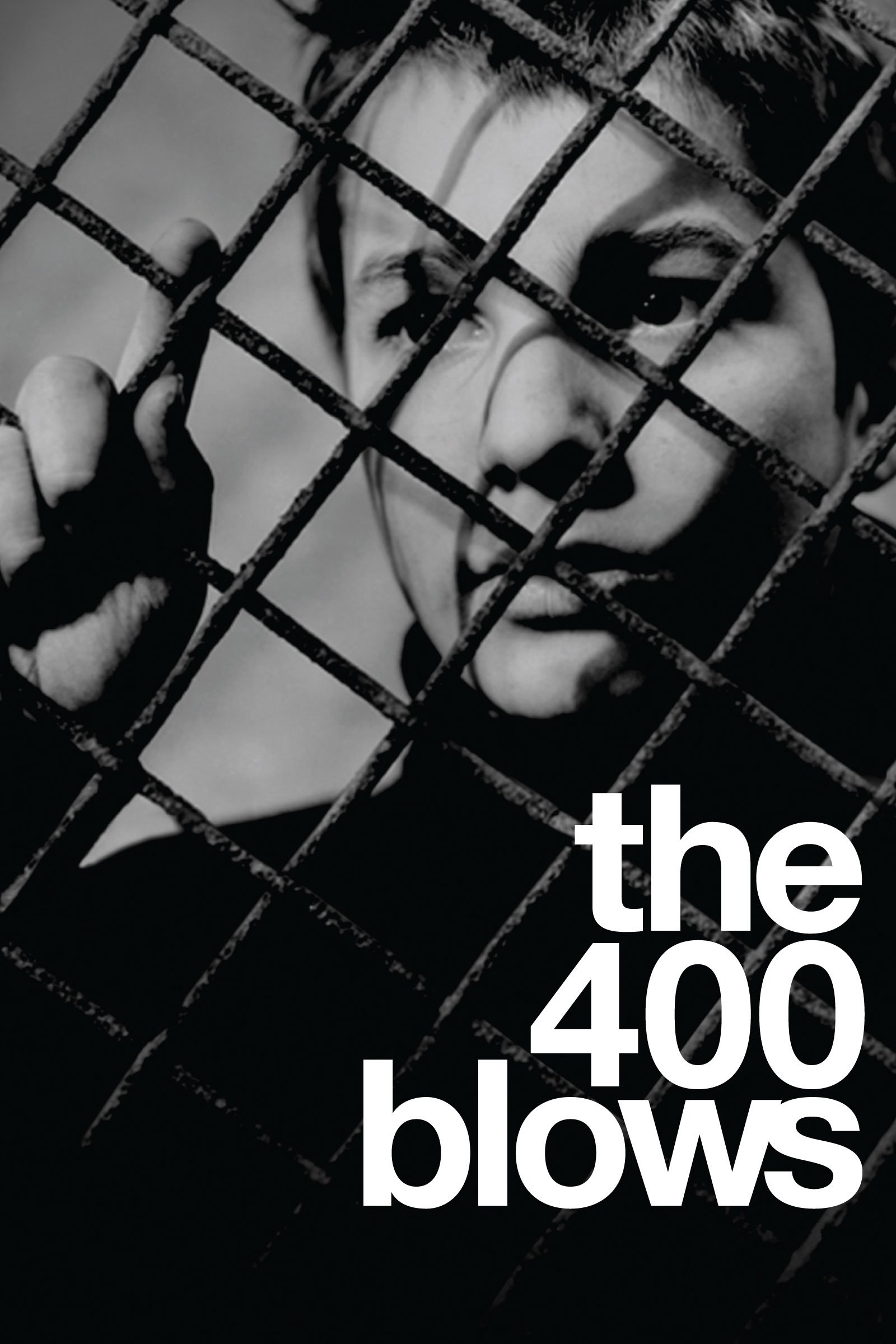
If your kid is used to the polished, hyper-active coming-of-age stories on modern streaming, The 400 Blows is going to feel like a glitch in the system. It is 1959, Paris is gray, and the protagonist, Antoine, is essentially a magnet for bad luck. But here is the thing: it does not feel like a museum piece. It feels like a diary.
The "nothing happens" magic
The biggest hurdle for a modern audience is the pacing. This is often called a "plotless" movie because it doesn't follow a standard three-act structure where the hero finds a magic map and saves the world. Instead, we watch Antoine live. He navigates a cramped apartment with parents who clearly weren't ready for the job, deals with a school system that prizes rote memorization over actual thought, and finds small pockets of joy in a cinema or a stolen cigarette.
Critics on Rotten Tomatoes give this a near-perfect 99% because it captures the specific, itchy feeling of being twelve years old and realizing that adults are just as lost as you are. If you can get your kid to sit through the first twenty minutes, they might realize that Antoine’s frustrations—the feeling that every mistake is magnified and every good intention is ignored—are universal.
The "film kid" starter pack
If you have a child who is starting to get curious about how movies are actually made, this is the essential text. It was part of a movement that threw out the old rules of Hollywood. The camera isn't static; it follows Antoine through the streets of Paris, making the city feel like a character itself.
The movie is famous for its ending, which we won't spoil, but it is one of the most discussed final shots in history. It doesn't give you a neat "happily ever after." It leaves you with a question. For a middle-schooler, that can be a revelation. Most kids' media wraps everything up with a bow; this movie respects the audience enough to let them sit with the discomfort of an uncertain future.
If they liked Boyhood or Lady Bird
This is the source code for those movies. If your teen enjoyed the quiet, observational style of a movie like Boyhood or the "me against the world" energy of Lady Bird, they will see the DNA of those films here.
It is also a great litmus test for empathy. Antoine does some objectively bad things—he lies, he skips school, he steals a typewriter. A younger kid might just see a "bad boy," but a thirteen-year-old has enough life experience to see the why behind the behavior. It’s a movie about how neglect turns a decent kid into a "delinquent" simply because he has nowhere else to go.
How to watch it without the "homework" vibe
Don't pitch this as a "classic" or a "masterpiece." That's the fastest way to make a kid tune out. Pitch it as a movie about a kid who hates his school and his parents and decides to rebel.
Since it is on platforms like The Criterion Channel and Max, it’s easy to find. If the subtitles are the main barrier, remind them that after ten minutes, your brain usually stops "reading" and starts just "watching." The visual storytelling here is so strong that you could almost follow the entire movie on mute and still understand exactly how Antoine is feeling.