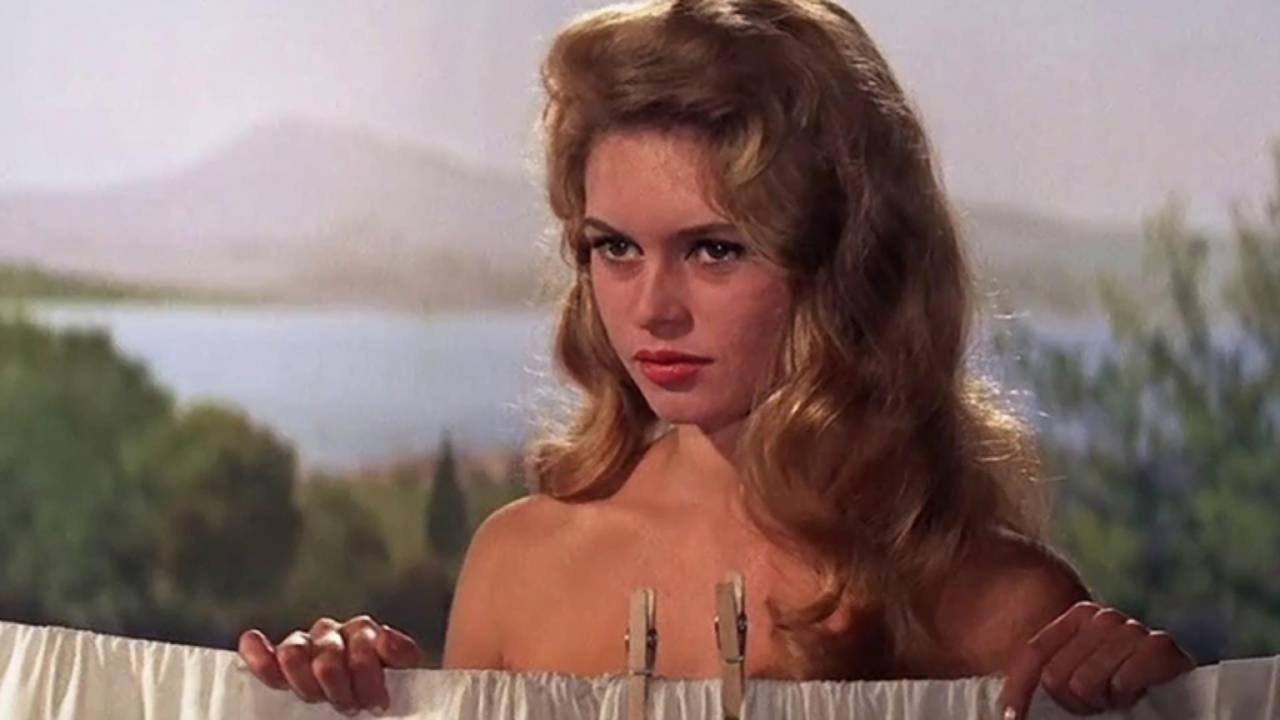
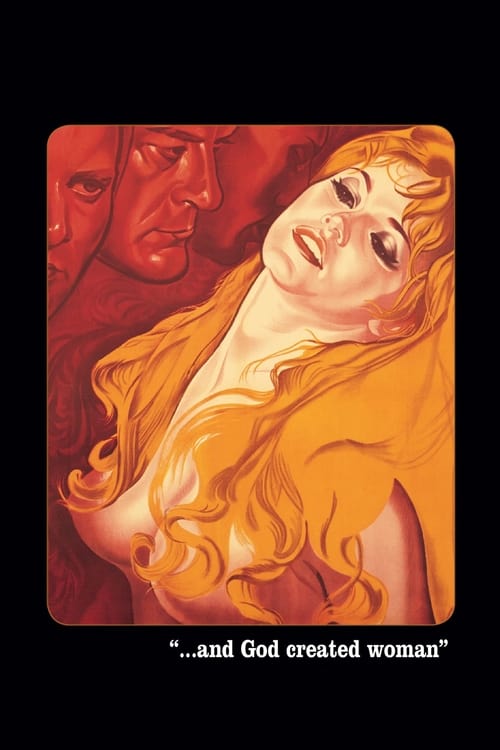
The boredom is the real scandal
If you’re looking at this because you’ve heard it’s a "classic," you need to recalibrate your definition of the word. In 1956, this movie was a lightning rod because it pushed the boundaries of what was allowed on screen. In the 2020s, that "edge" has evaporated, leaving behind a 92-minute drama that is remarkably tedious. The plot moves with the urgency of a melting ice cube.
The "sexual dynamite" label applied to the lead character, Juliette, is the only thing that has aged with any energy—mostly because it sounds like a parody of a mid-century trailer. The actual experience of watching it is a cycle of Juliette walking around a coastal town while men gawk at her and judge her. Critics and fans on Reddit have pointed out that the acting and writing are bottom-tier, and they aren't being hyperbolic. It’s a movie where people stand in rooms and deliver wooden dialogue about "reputation" and "morals" that felt dusty decades ago.
A museum piece, not a movie
This isn't something you put on for entertainment; it’s something you put on if you are specifically studying the history of the male gaze in cinema. The film’s entire engine is the "town tramp" trope. It treats Juliette as a problem to be solved or a prize to be won, never as a person with actual agency.
If you have a teen who is interested in film history or the French New Wave, this might come up in their research. It’s often cited as the film that launched its lead actress into global superstardom. But being historically significant doesn't make it watchable. The TMDB score of 6 reflects a viewer base that likely respects the film’s place in history more than the actual content of the frames.
Better ways to see the French coast
If you’re looking for a vintage French vibe or want to understand why this era of cinema mattered, there are dozens of better options that don't feel like a lecture on 1950s sexism. This movie is a relic that has lost its power to shock, leaving only the "sexist, racist, and boring" elements that modern viewers have zero patience for.
If you’re trying to navigate the rest of this era without stumbling into another 90-minute snooze-fest, check out our guide on Brigitte Bardot's Classic Films: What Parents Should Know About Her Iconic (But Mature) Cinema. It’ll help you figure out which parts of her filmography are actually worth the subtitles and which ones you can safely leave in the vault.
Bottom line: unless you’re getting a degree in 1950s European melodrama, there is no reason to sit through this. It’s antiquated in all the wrong ways.