

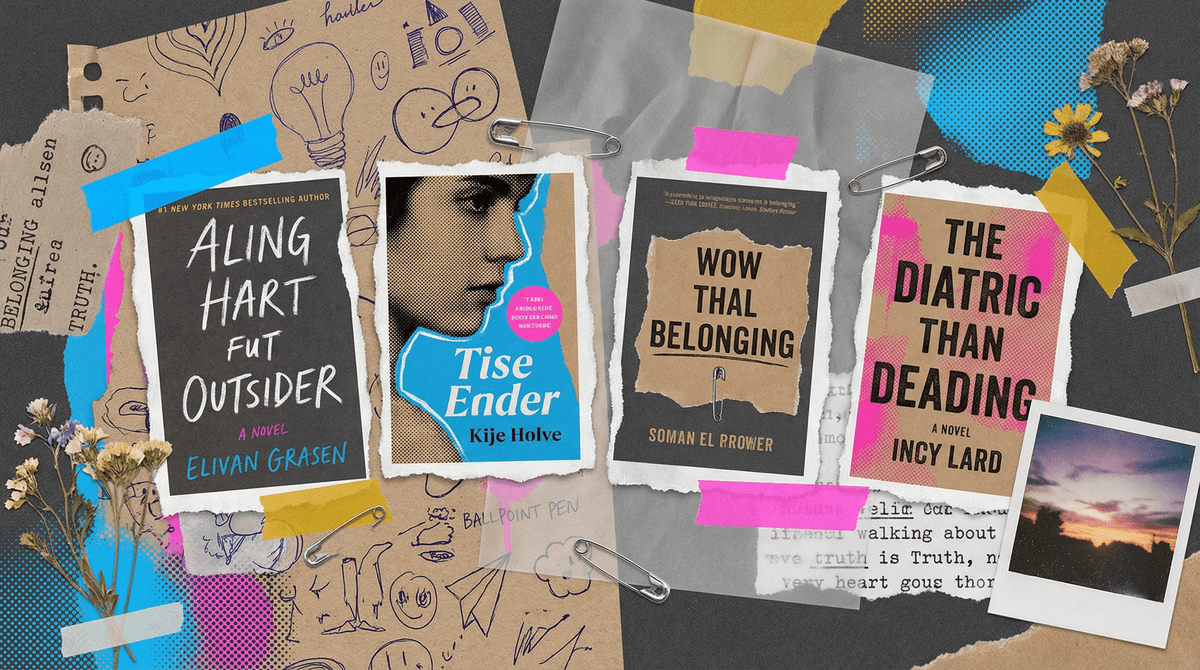
Books About Misfit Teens: Building Empathy Through Stories of Outsiders
Look, if your teen is spending hours in their room reading about characters who feel like they don't fit in anywhere, that's actually... really healthy? I know we're all worried about screen time and social media comparisons, but books about misfit teens are doing some serious emotional heavy lifting that TikTok just can't match.
These stories aren't just entertainment—they're mirrors, windows, and sometimes lifelines for kids navigating the absolute minefield that is adolescence in 2026.
We're talking about coming-of-age stories centered on characters who exist outside the mainstream—kids who are neurodivergent, queer, dealing with mental health issues, from marginalized communities, or just fundamentally different in ways that make middle and high school feel like an endurance test. Think The Perks of Being a Wallflower, Eleanor & Park, Speak, or more recent titles like The Gravity of Us.
These books often tackle heavy themes—bullying, identity, trauma, first love, family dysfunction—but they do it through the lens of a character who's figuring out how to exist in a world that wasn't designed for them.
They feel seen. That's it. That's the whole thing.
When you're 14 and convinced you're the only person who's ever felt this anxious, this weird, this wrong—finding a character who gets it is massive. It's validation that their experience isn't abnormal or shameful, even if it's hard.
These books also offer something social media can't: resolution and growth. Instagram shows curated highlight reels. Books about misfits show the messy middle, the setbacks, and eventually—usually—some form of acceptance or understanding. Not always a happy ending (because come on, that's not realistic), but at least a sense of forward motion.
Plus, honestly? Reading about someone else's dysfunction can make your own life feel more manageable. It's why we all watched Euphoria and thought "well, at least my problems aren't THAT bad."
If your kid is reading these books, they're doing emotional work. They're building empathy, processing their own experiences, and learning that feeling like an outsider doesn't mean something is fundamentally broken in them.
This is preferable to doomscrolling. Full stop.
But here's where it gets tricky: some of these books deal with genuinely heavy content. Sexual assault, self-harm, suicide, eating disorders, abuse. The question isn't whether teens should read about these topics—they're already aware they exist, trust me—but whether they're ready to process them, and whether you're creating space to talk about what they're reading.
Ages 11-13 (Middle School): Start with books where the "misfit" element is more about social awkwardness or being different, less about trauma.
- Wonder by R.J. Palacio — a kid with facial differences navigating school
- The Miscalculations of Lightning Girl — neurodivergent protagonist
- The First Rule of Punk — identity and cultural belonging
These books introduce the concept of not fitting in without diving into content that requires significant emotional maturity.
Ages 14-16 (High School): This is when you can introduce more complex themes, but pay attention to your specific kid. Are they anxious? Dealing with depression? Have they experienced trauma? Sometimes these books are helpful processing tools; sometimes they're triggering.
- The Perks of Being a Wallflower — depression, trauma, coming of age
- Speak by Laurie Halse Anderson — sexual assault and finding your voice
- Simon vs. the Homo Sapiens Agenda — coming out, identity
- The Hate U Give — race, police violence, activism
Ages 16+ (Older Teens): At this point, if they want to read it, they're probably ready—or they'll figure out if they're not. Books like All the Bright Places or It's Kind of a Funny Story deal with mental illness and suicide in ways that can be both helpful and heavy.
Read the book yourself, or at least read reviews. Not to censor, but to be prepared for conversations. If your kid finishes Speak and wants to talk about it, you should probably know what happened in the book.
Don't freak out about dark themes. Reading about suicide doesn't make a teen suicidal. Reading about self-harm doesn't make them cut. In fact, these books often normalize seeking help and show characters working through their issues. See if books about heavy topics are harmful to teens .
.
Use these as conversation starters. "What did you think of that book?" is a low-pressure way to open dialogue about big topics. Sometimes kids will talk about a character's experience when they won't talk about their own.
Watch for identification vs. romanticization. There's a difference between "I relate to this character's anxiety" and "I want to be this character's level of dysfunctional because it seems deep and interesting." The latter is where you might want to dig deeper into what's going on.
The misfit teen book landscape has expanded massively in the last decade. We're seeing more books with:
- Neurodivergent protagonists who aren't just "quirky"
- LGBTQ+ characters whose entire story isn't about coming out
- Characters of color whose experiences aren't reduced to trauma
- Mental health representation that doesn't end in tragedy
This matters because "misfit" used to default to "straight white kid who's sad." Now there are books for kids who are misfits for all kinds of reasons, and they can find themselves in stories that actually reflect their specific experience.
Books about misfit teens are doing important work—building empathy, normalizing struggle, and showing kids that feeling like an outsider doesn't mean they're broken. They're processing tools disguised as entertainment.
Yes, some of these books are heavy. Yes, you should be aware of what your kid is reading. But if you're trying to decide between your teen reading Eleanor & Park or spending three hours on TikTok watching "mental health" influencers who may or may not have any actual expertise?
Choose the book. Every time.
Start a conversation: Ask your teen what they're reading and if they'd recommend it. Don't interrogate—just express genuine interest.
Build a reading list together: Check out age-appropriate recommendations for your specific kid and let them have agency in what they choose.
Create space for processing: Make it clear that if a book brings up hard feelings or questions, you're available to talk. No judgment, no lectures—just listening.
And hey, maybe read one yourself. You might be surprised how much these "kids' books" have to say about being human.