

Apps for Animal Lovers: Digital Pet Care, Wildlife Cams, and Conservation Games
Look, if your kid has been begging for a puppy for the 47th time this week, or they're the type who stops to identify every bird at the park, there's actually a whole category of apps that can channel that animal obsession into something genuinely enriching. We're talking about apps that let kids care for virtual pets, watch real wildlife cams, learn about conservation, and even contribute to actual science projects.
The good news? These apps tend to be way less problematic than a lot of what's out there. No battle passes, minimal social drama, and they often teach responsibility, empathy, and real science. The less good news? Some are better than others, and a few are just dressed-up gacha games trying to get your kid hooked on loot boxes disguised as "pet adoption."
Kids are hardwired to connect with animals. There's something about caring for another living thing (even a digital one) that hits different than building in Minecraft or grinding in Roblox. These apps tap into:
The nurture instinct - Feeding, grooming, and playing with virtual pets gives kids that dopamine hit of caretaking without the actual vet bills.
Real-world learning - Wildlife cams and conservation apps connect kids to actual animals doing actual things. It's not curated content; it's a panda being a panda at 3am.
Collection appeal - Let's be real, a lot of these apps lean into the "gotta catch 'em all" instinct. Some do it well (educational animal facts), others do it cynically (pay $4.99 for a rare golden hamster).
Ages 4-8: PBS Kids Games
The Wild Kratts games within the PBS Kids app are legitimately great. Kids learn about real animals, their habitats, and adaptations through play. No ads, no in-app purchases, no nonsense. It's public television doing what it does best.
Ages 6-12: iNaturalist
This is the app I wish more kids knew about. Take a photo of any plant or animal, and the community (plus AI) helps identify it. Your kid's observations contribute to actual scientific research. It's like Pokémon GO but for real nature and actual science. The community features are well-moderated, though you'll want to check privacy settings.
Ages 8+: Monterey Bay Aquarium and Wildlife Cam Apps
Multiple zoos and aquariums offer live cam apps. The Monterey Bay Aquarium app is particularly good—live jellyfish cams, sea otter feeds, and educational content that doesn't talk down to kids. San Diego Zoo has similar offerings. These are perfect for the kid who could watch nature documentaries for hours.
Ages 7-12: Seek by iNaturalist
A kid-friendly version of iNaturalist with no social features. Kids can explore their backyard and earn badges for finding different species. It gamifies nature observation without the problematic elements of most gamification.
Ages 9+: eBird
If your kid is into birds (and lots are, post-pandemic), eBird is the real deal. It's what actual ornithologists use. Kids can log sightings, see what others have spotted nearby, and contribute to migration research. The interface isn't dumbed down, which older kids actually appreciate.
Virtual Pet Games (Varies)
Apps like [My Talking Tom](https://screenwiseapp.com/media/my-talking-tom-game or various "adopt a pet" games can be fine, but many are essentially training wheels for microtransaction addiction. If the app constantly pushes premium currency, limited-time offers, or makes the free experience deliberately frustrating, that's a red flag.
What to look for: Can your kid have a complete experience without spending money? Are wait times reasonable? Is the app trying to teach something, or just extract dollars?
Animal Jam and Similar MMOs
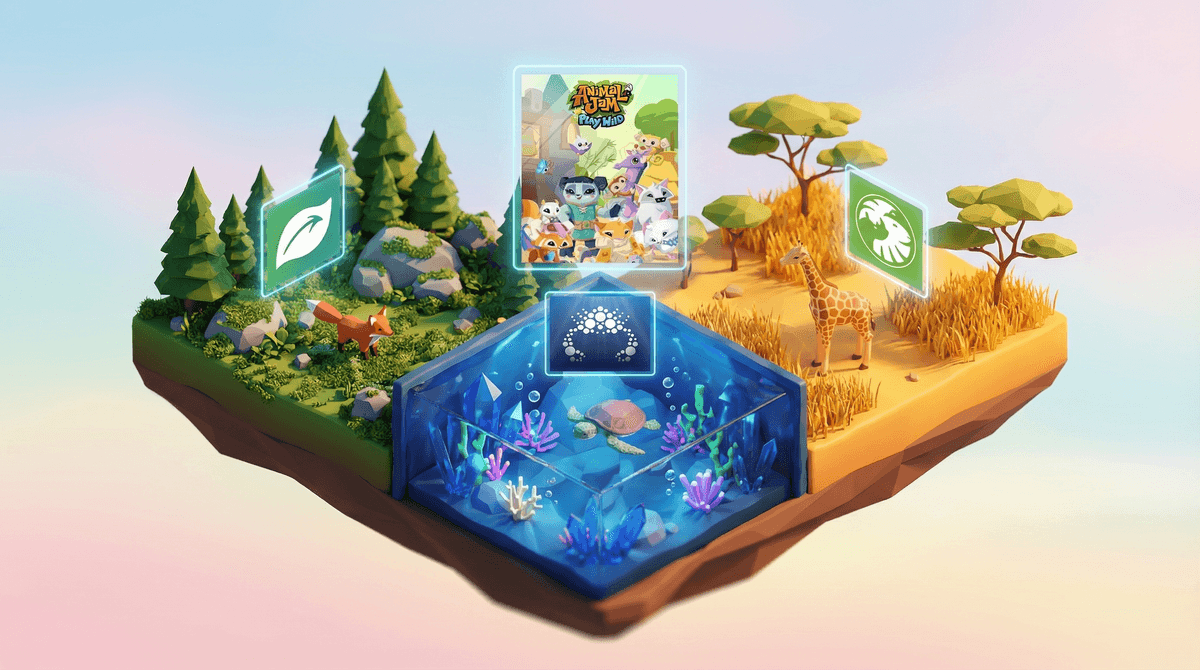
Animal Jam has educational content and decent moderation, but it's still an MMO with all the social dynamics that entails. Chat features, membership pressure, and the usual online social hierarchy stuff. Not bad per se, but requires more parental involvement than a wildlife cam app.
Real learning vs. busy work: The best animal apps connect kids to actual animals and real science. If an app is just "tap to feed" with no educational content, it's basically a Tamagotchi with better graphics.
Screen time that leads to outside time: The gold standard is when an app like iNaturalist or Seek gets your kid so excited about identifying birds that they actually want to go outside. That's the sweet spot.
Privacy matters: Apps that encourage kids to share locations of rare animals or post photos publicly need privacy settings locked down. Check the privacy settings before your kid starts uploading photos.
The monetization question: Free apps for kids often aren't free. They're either ad-supported (which means your kid is the product) or they're designed to push in-app purchases. PBS Kids and many museum/aquarium apps are exceptions because they're mission-driven, not profit-driven.
Ages 4-7: Stick with closed ecosystems like PBS Kids or single-player virtual pet apps with no social features. At this age, the goal is exploration and basic responsibility concepts.
Ages 8-10: This is the sweet spot for apps like Seek and wildlife cams. Kids are old enough to use them independently but still young enough to be genuinely excited about seeing a woodpecker in their backyard.
Ages 11+: Older kids can handle the full versions of citizen science apps like iNaturalist and eBird. These can legitimately become hobbies that last into adulthood. Some kids get so into it they end up pursuing biology or environmental science.
Animal lover apps are one of the better categories out there. When done right, they connect kids to the natural world, teach empathy and responsibility, and can spark genuine scientific interest. The key is choosing apps that respect your kid's attention and your wallet—ones that are designed to educate rather than extract.
Start with the free, mission-driven apps from PBS, museums, and conservation organizations. If your kid wants to go deeper, citizen science apps like iNaturalist offer years of engagement. And if they're still begging for a puppy after all that? Well, at least you tried.
Next step: Download Seek this weekend and challenge your kid to find five different species in your neighborhood. It's free, it's outside, and it might just be the gateway to a lifelong love of nature. Or at least 30 minutes where they're not asking for Robux.