The "He" problem
The first thing you’ll notice—and the thing that makes many readers quit by page 50—is Mantel’s refusal to use Thomas Cromwell’s name. In almost every scene, "he" refers to Cromwell, even if three other men just spoke. It’s a stylistic choice designed to glue you to Cromwell’s internal perspective, making the 1520s feel like a technicolor present rather than a dusty past.
If you’re reading this with a sharp older teen, warn them: it isn't a typo, and it isn't a mistake. It’s an immersion tactic. Once you stop fighting the pronouns and just accept that "he" is the camera lens, the book starts to move. Until then, it feels like trying to watch a movie through a foggy window.
Middle management in a death trap
Most Tudor stories focus on the glitz of the court or the tragedy of the wives. Wolf Hall is different because it’s essentially a story about logistics. Cromwell is the ultimate fixer—the guy who handles the taxes, the legal loopholes, and the messy divorces so the King can stay "tender" while others do the "murderous" work.
This is the 16th-century version of a high-stakes corporate thriller. If your student is into shows about power dynamics and "the room where it happens," they might appreciate the sheer competence of Cromwell. He’s a blacksmith’s son who out-thinks aristocrats who spent their lives learning how to hunt and bow. It’s a masterclass in social mobility through sheer intellect, though the moral cost of that rise is exactly what makes the book so heavy.
High art vs. historical "trash"
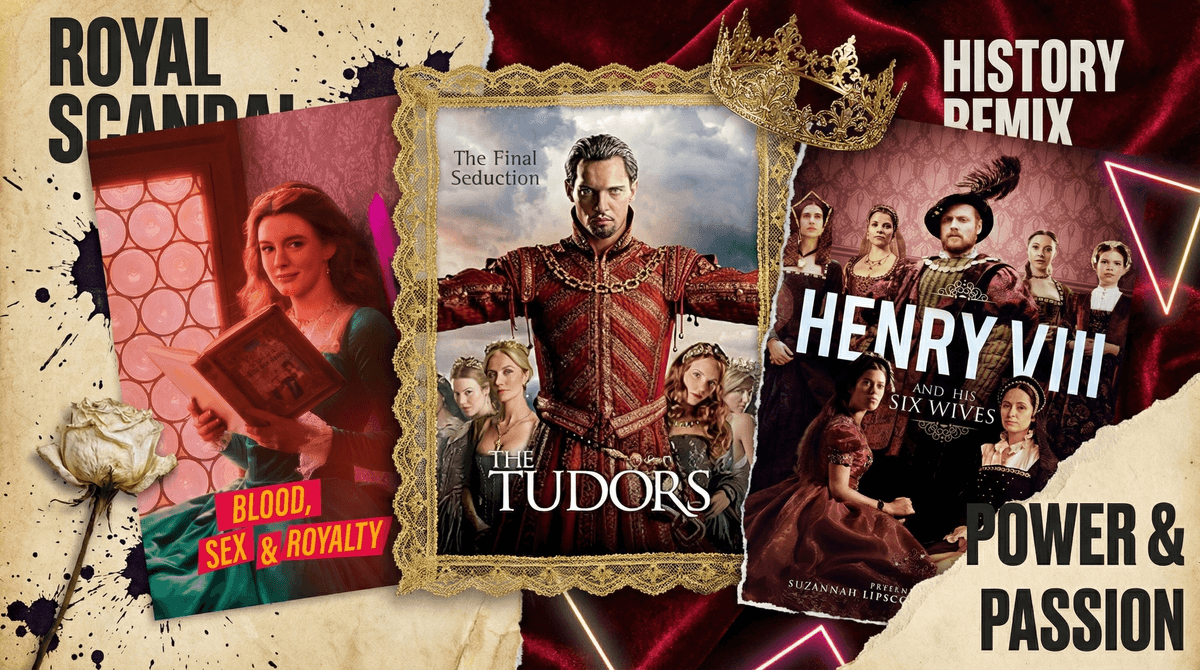
There is a massive appetite for Tudor drama right now, but Wolf Hall sits on the opposite end of the spectrum from the dramatized, high-gloss versions of the Anne Boleyn story. If you or your teen are looking for the fast-paced, spicy version of this era, you’re better off checking out the definitive guide to the Blood, Sex & Royalty age rating to see how that Netflix docudrama handles the same events.
Where that series leans into the scandal, Mantel leans into the dread. You feel the cold damp of the stone walls and the very real physical danger of saying the wrong word to a volatile monarch. It’s "prestige" media in book form—rewarding, but it requires your full attention.
How to tackle the 600 pages
Don't hand this to a kid who just finished a YA historical romance and expects the same pacing. This is a commitment.
- The BBC shortcut: If the prose is too dense, watch the first episode of the Masterpiece adaptation. Seeing the faces of the characters helps keep the massive cast of "Thomases" (Cromwell, More, Wolsey, Cranmer) straight when you go back to the text.
- The "fixer" lens: Encourage a reader to look at Cromwell not as a hero or a villain, but as a guy trying to survive a boss who could have him executed on a whim. It makes the political maneuvering feel much more urgent.
- Audiobook assist: Sometimes hearing the dialogue helps navigate the pronoun confusion. The rhythm of Mantel’s writing is very theatrical.
This is a "mountain" book. The view from the top is spectacular—it’s one of the best-written novels of the century—but the climb is steep, and the air is thin. Save it for the reader who actually wants to do the work.