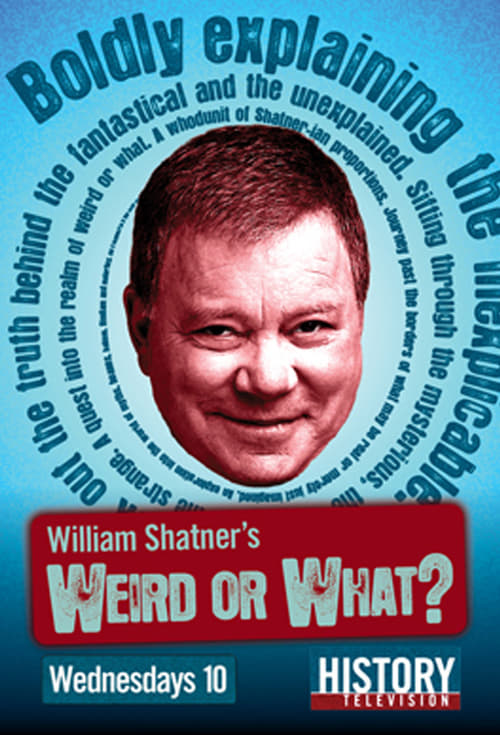
If your middle-schooler is currently obsessed with "true" ghost stories on YouTube or urban legends on TikTok, Weird or What? is the professional-grade version of that specific rabbit hole. It comes from that 2010s sweet spot where cable networks like Discovery and History were leaning hard into the "unexplained" genre, and it remains a fascinating relic of how we package mystery for a mass audience.
The Shatner factor
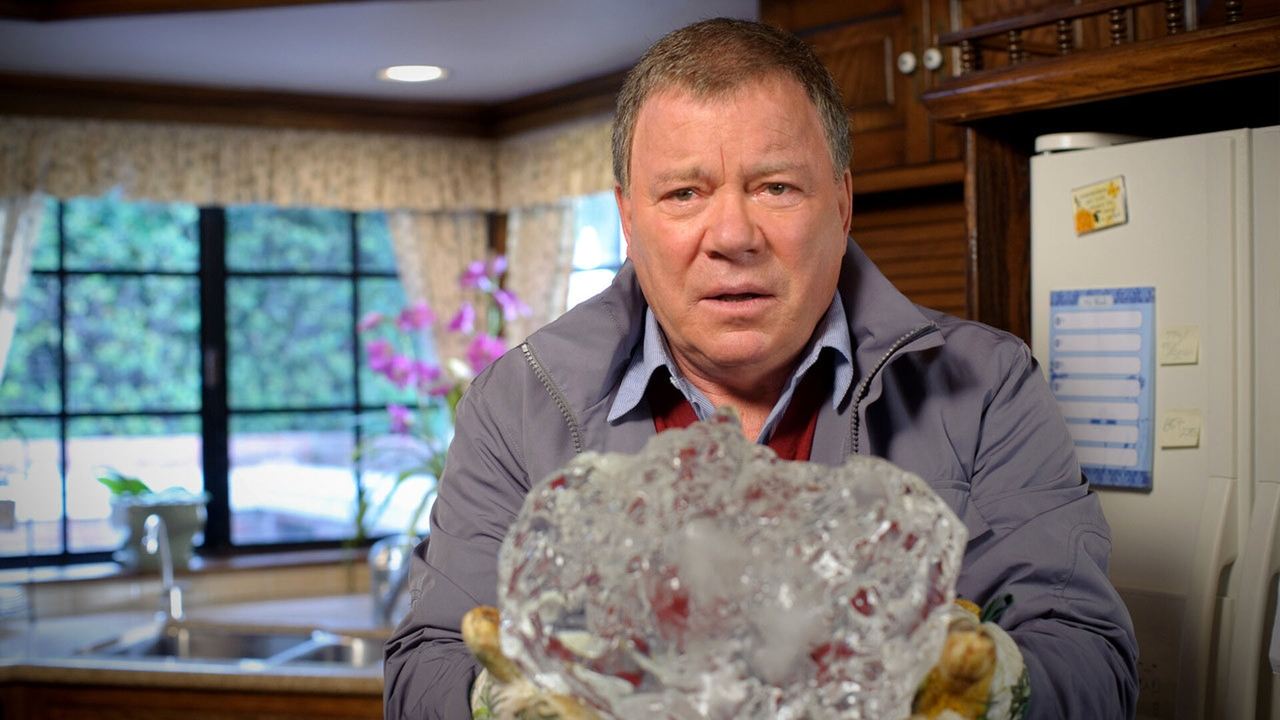
The primary reason to watch this—and frankly, the reason it’s still watchable—is William Shatner. He isn't just a narrator; he’s an active participant in the weirdness. He delivers every line about "man-beasts" or "medical anomalies" with the same Shakespearean intensity he brought to the bridge of the Enterprise.
For a kid, Shatner’s presence adds a layer of authority that the actual evidence often lacks. He treats the absurd and the scientific with the same level of gravitas, which makes for entertaining TV but also creates the show's biggest friction point. You aren't just watching a documentary; you’re watching a performance.
The "false balance" trap
Each episode follows a rigid structure: present a mystery, offer a supernatural theory, then offer a scientific one. While the show technically includes "tests" to prove or disprove theories, it often falls into the trap of giving equal weight to both sides.
This is where the show gets messy. You might see a world-renowned physicist explaining atmospheric pressure followed immediately by an "investigator" claiming a ghost did it. For a ten-year-old, those two voices can carry equal weight. If you’re watching this together, the real fun isn't the mystery itself—it’s the "wait, really?" moment when a theory feels particularly thin. It’s a low-stakes way to practice spotting when someone is trying to sell you a story versus when they’re trying to explain a fact.
Pacing and "popcorn" mystery
The three-story format is actually a win for modern attention spans. If a segment about a vanishing yacht in Lake Michigan isn't hitting, you know a story about a medical oddity or a "man-beast" is only ten minutes away.
- The creepy stuff: The "Monsters" and "Ghosts" episodes lean into the reenactments, which can be surprisingly effective. They use the classic 2010s toolkit: shaky cams, high-contrast filters, and sudden loud noises.
- The gross stuff: "Medical Oddities" segments can be a bit much for the squeamish. They often focus on physical transformations or rare conditions that might be unsettling for younger kids.
- The "meh" stuff: Some of the "Natural Disasters" episodes feel like filler, using stock footage of storms to pad out a mystery that isn't actually that mysterious.
Why it works for the "X-Files" kid
If your kid liked the mystery-solving vibes of Gravity Falls or the spooky atmosphere of Stranger Things, this is a natural next step into "reality" TV. It’s campy, it’s dated, and it’s often ridiculous, but it taps into that universal human desire to believe there’s something strange hiding just out of sight.
Just don’t expect it to be an educational powerhouse. It’s paranormal popcorn—salty, a little bit cheap, and very easy to consume in one sitting. It won't give them a deep understanding of science, but it will definitely give them something to talk about at the dinner table, even if it's just to ask you if you really believe in the Jersey Devil.