The "Big Head" Hook
You’ve seen these covers everywhere—the iconic "bobblehead" illustrations that make historical figures look like approachable caricatures rather than statues in a museum. There is a reason this series has become the gold standard for elementary school libraries. While school textbooks often strip the humanity out of history to fit a curriculum, these books lean into the drama.
When you read the Michelle Obama entry, for instance, it doesn't just list dates. It tracks her trajectory from a star student in Chicago to Princeton and Harvard Law, framing her as the "Mom in Chief" while she navigated the pressure of the White House. It’s this focus on personality and stakes that keeps kids turning pages. If your child is currently obsessed with narrative non-fiction or graphic histories, this series is the natural next step. It provides the "lore" of the real world in a way that feels just as bingeable as a fictional series.
The Reading Level Reality Check
There is a specific kind of friction to watch for here. Because the covers look whimsical, it’s easy to assume these are "easy readers" for first or second graders. They aren't. As some parents on Reddit have pointed out, the vocabulary can be surprisingly dense. These are true chapter books. If you have a reluctant reader, handing them a Who Was? book might actually backfire if the sentence structure is too complex for their current level.
The "sweet spot" is usually a kid who is comfortable with a few multi-syllabic words but still wants the visual break of an illustration every few pages. If they aren't there yet, these make fantastic read-alouds. You get to skip the "boredom" of typical bedtime stories and actually learn something yourself—like the specific legal hurdles Michelle Obama cleared before she ever met her husband.
Contextualizing the Tough Stuff
History isn't always wholesome, and the series doesn't totally sanitize the lives of its subjects. Whether it's the struggles of world leaders or the obstacles faced by scientists and artists, these books introduce real-world conflict. This is a feature, not a bug.
If your kid is already starting to see history through the lens of YouTube explainers or historical games, these books serve as a grounded anchor. They provide the human context that a fast-paced video might skip. When a book describes a figure's failures or the systemic challenges they faced, it opens the door for you to talk about resilience without it feeling like a lecture.
More Than Just Books
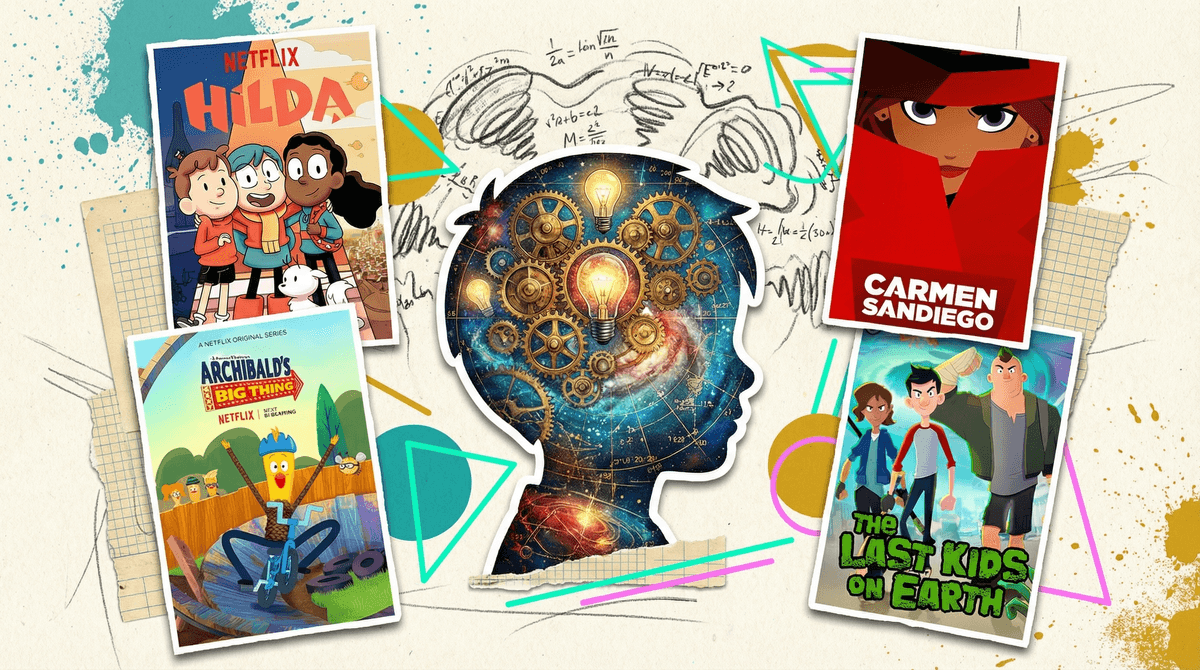
If the reading starts to feel like a chore, keep in mind that this brand has expanded into other media that might be an easier "in" for some kids. There are Netflix shows that build curiosity using the same "Who Was" branding, often utilizing a sketch-comedy format to deliver the same facts.
The move here is to use the books as a deep dive after they’ve expressed interest in a specific person or era. If they see a scientist on a show or hear a name in class, having the corresponding "Big Head" book on the shelf makes the transition from passive entertainment to active learning feel seamless. It turns a "school topic" into a personal interest.