Where the Wild Things Are

Where the Wild Things Are

book

1988, Children's Books, Science Fiction & Fantasy

WISE
93%

WISE Score

4.9

Amazon

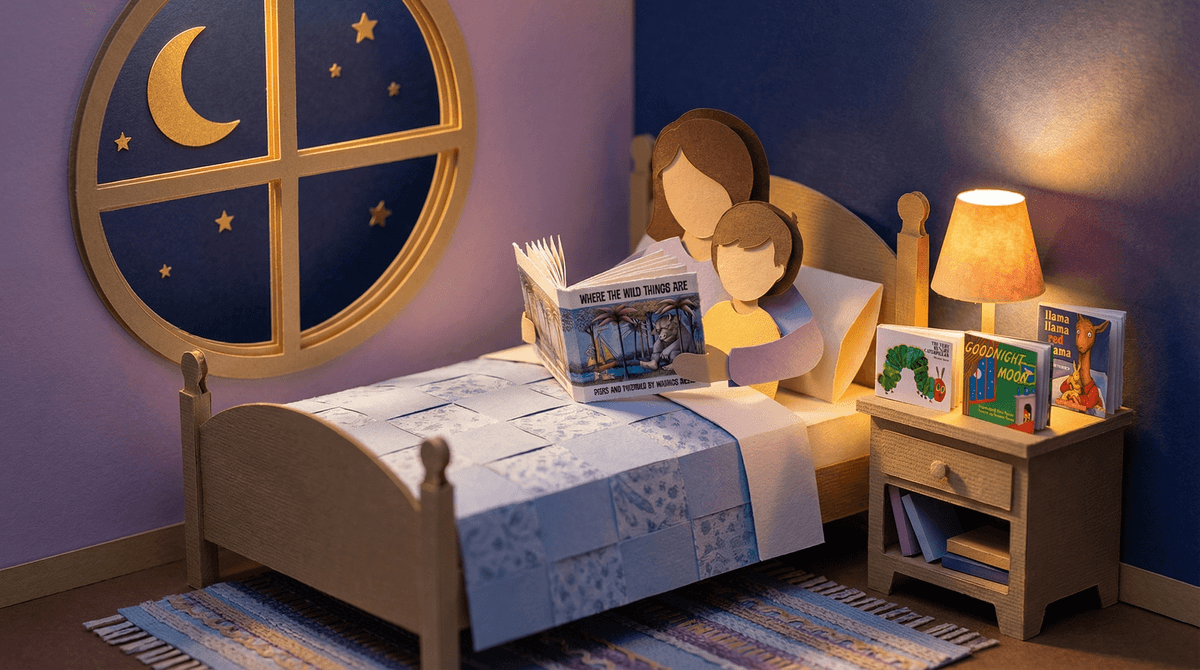
Max sails to an island of monsters, becomes their king, has a wild rumpus, then sails home to dinner—and 60 years later, it still hits.

Amazon4.9
Common Sense Media

Where to Read

Our reviews and ratings are 100% unbiased, but as an Amazon Associate, Screenwise earns an affiliate fee if you buy a book or game by clicking one of our links. We don't get any credit if you just Google it instead :)

Screenwise Verdict

This is the real deal—a book that respects children's emotional complexity without talking down to them. Sendak understood that kids have big, scary feelings and need stories that acknowledge that.

Some parents clutch pearls about Max's 'rudeness,' but he's literally having a tantrum, which is what 4-year-olds do. The genius is that Sendak doesn't punish Max or moralize—he lets him work it out through imagination, then return to love and hot supper.

The only legitimate concern is that the Wild Things can frighten sensitive younger kids. Those illustrations are detailed and intense. If your 2-year-old is already nervous about monsters under the bed, maybe wait. But for most kids 4+, this is essential—a book that teaches emotional regulation, validates anger, and celebrates the safety of home, all in under 400 words.

It's 60+ years old and hasn't aged a day. That's rare.
Age Fit

Best for ages 4-8, though many 3-year-olds handle it fine if they're not easily spooked. The Wild Things' appearance can frighten very young toddlers, but by 4, most kids grasp the fantasy element and love the emotional permission to be 'wild.' Older elementary kids still enjoy it, especially when they can reflect on the deeper themes.

WISE Breakdown
Wholesome
82

Sendak's classic tackles childhood anger and tantrums head-on, showing Max acting out and then finding his way back to love and home. The emotional arc is healthy—Max gets to be wild, process his feelings, and return to 'supper still hot,' a beautiful metaphor for unconditional parental love. Some parents worry about the 'rudeness' (Max tells his mom he'll eat her up), but that's real kid behavior, not glorification. The Wild Things themselves can look scary to very young kids, but they're ultimately about externalizing big feelings.

Imaginative
98

This is imagination distilled into 48 pages. Max's bedroom transforms into a forest, then an ocean, then an island of monsters who crown him king. The 'wild rumpus' is pure creative joy—wordless pages of dancing, howling creatures. Sendak's artwork is intricate and dreamlike, inviting kids to linger and explore details. It's been inspiring children's creativity for over 60 years, spawning countless art projects, plays, and imaginative play. BBC Culture ranked it the #1 greatest children's book ever for good reason.

Safe
88

The Wild Things have fangs, claws, and 'terrible roars,' which can genuinely frighten sensitive toddlers (Common Sense Media parent reviews note this). Max threatens to eat his mother, which some parents find concerning. But there's no violence, no trauma, no content that would shock an older child. The 'scary' parts are clearly fantasy and serve the emotional narrative. For the target age (4+), it's a safe exploration of fear and anger within a picture book's contained world.

Enriching
91

This book does serious emotional work: it validates childhood anger, models emotional regulation (Max sails away, has his rumpus, then chooses to return), and reinforces the security of parental love. Kids learn that you can be angry and still be loved, that imagination is a tool for processing feelings, and that home is where you're wanted. The sparse, rhythmic text is also a masterclass in storytelling economy. It's been a staple in child development discussions for decades. Teachers and librarians consistently rank it among the most important books for children.

Parent Info
✓

Why It Might Be Great

  • Validates big feelings: Max gets angry, acts out, and learns he's still loved—that's the whole emotional curriculum of early childhood in 48 pages
  • The artwork is stunning and intricate, with details kids discover on the 50th read-through
  • Teaches emotional regulation without being preachy: Max chooses to return home when he's ready
  • Short enough (338 words total) that you won't lose your mind reading it nightly, but rich enough to sustain years of re-reads
  • BBC Culture's #1 greatest children's book ever, New York Public Library's #4 most-checked-out book of all time—this is canon
⚠

What to Watch For

  • The Wild Things can genuinely scare sensitive 2-3 year olds—those fangs and claws are no joke in Sendak's detailed illustrations
  • Max tells his mom 'I'll eat you up!' and gets sent to bed without supper, which some parents find too sassy (though most recognize it as realistic kid behavior)
  • Some Reddit dads complain about the 'terrible sentence structure,' but they're missing the point—it's poetic, not prose
  • If your kid is already anxious about monsters or separation, maybe wait a year

Conversation Starters

  • "Have you ever felt so mad that you wanted to run away somewhere wild? What would your island look like?"
  • "Why do you think Max decided to come home? What made him ready?"
  • "If you were king/queen of the Wild Things, what would you do during the wild rumpus?"
  • "Max's dinner was still hot when he got back—what do you think that means about his mom?"

Ask Anything

Get a personalized guide on any topic

Related Guides