The 'Freemium' Tax
When the original Where’s My Water? launched, it was a premium app that felt like a complete, polished toy. The sequel, released in 2013, took a hard turn into the 'Free-to-Play' model. This means that while the game is technically free, it’s designed with friction points. The energy system is the most obvious: every level costs energy, and when you're out, you're done until it refills. For a kid who is 'in the zone' solving a puzzle, this is a massive frustration.
Why it still matters
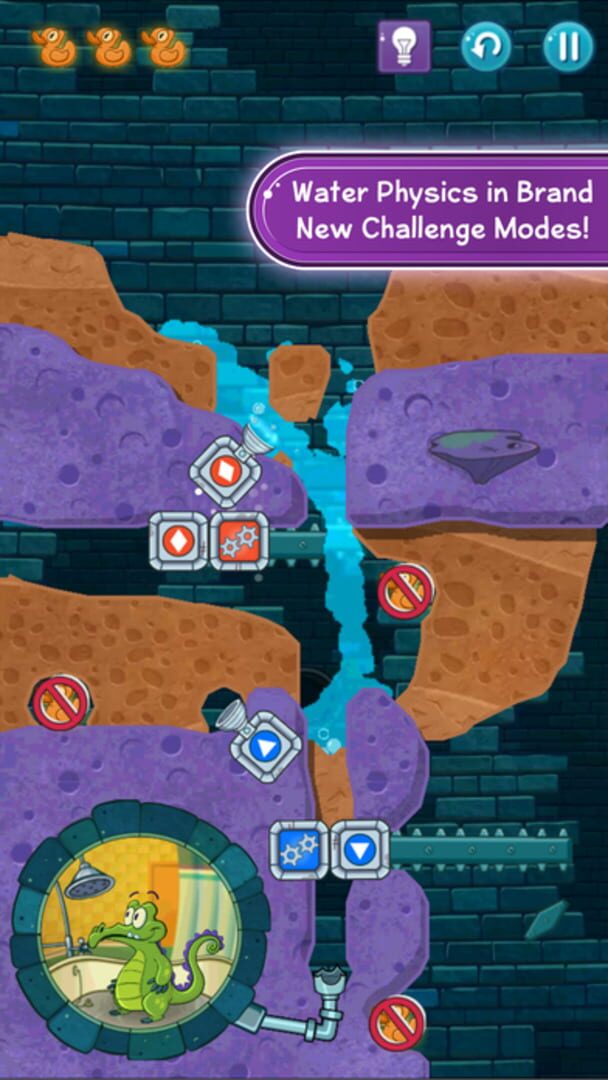
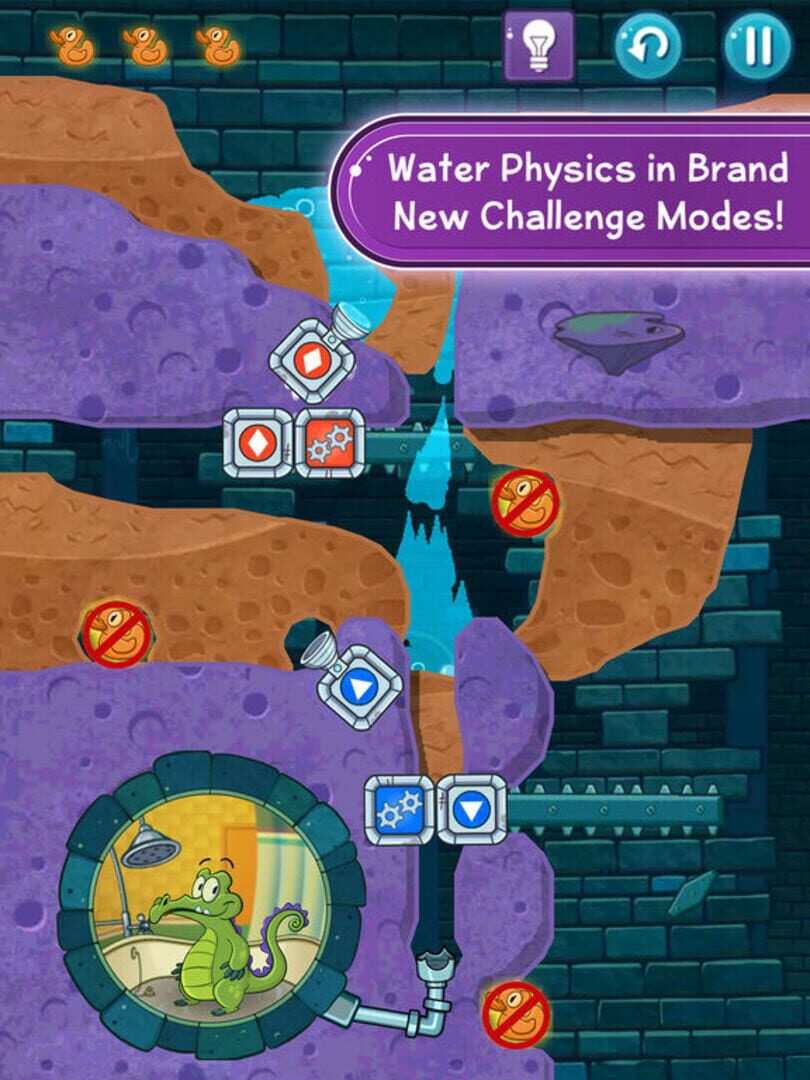
Despite the monetization gunk, the core loop is still fantastic. Very few games manage to make fluid dynamics feel this intuitive. Kids learn to predict how water will pool, how steam will rise, and how different fluids interact (like the 'poison' water that eats through dirt). It’s a great 'wait-room' game for a phone, provided you've locked down the App Store settings to prevent accidental purchases of 'Hint Crates.'
Comparisons
If your kid loves the logic but hates the wait times, you might actually be better off digging up the original Where’s My Water? (if it's still compatible with your device) or looking into Cut the Rope. Both offer similar physics-puzzle satisfaction with slightly less 'freemium' nagging. But if you're sticking with the sequel, use the 'Duck Rush' levels as a way to talk about reaction time and planning ahead—they're high-pressure, but great for building focus.