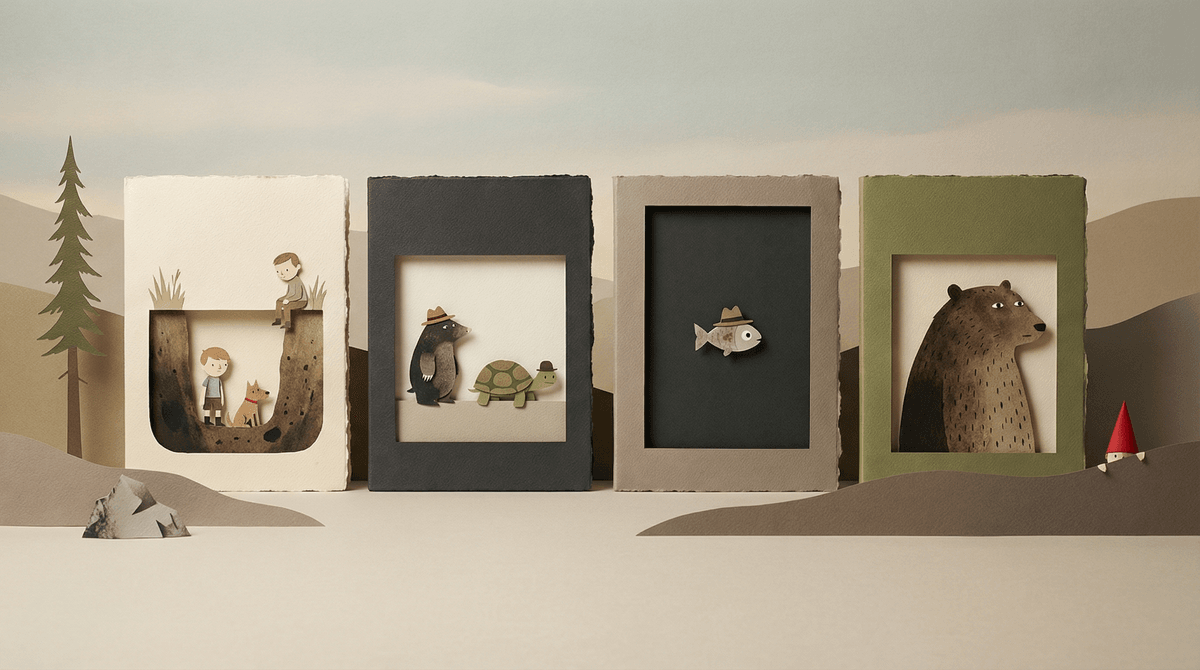
If you’ve spent any time in the "picture book" corner of the internet, you know Jon Klassen is essentially the Coen Brothers for the preschool set. He specializes in deadpan humor, minimalist landscapes, and animals that are significantly more devious than they look. While his previous "hat" books are famous for their dark—and hilarious—endings, We Found a Hat is the trilogy’s pivot toward something surprisingly tender.
The Master of the Side-Eye
The real story here isn't in the text; it’s in the pupils. Klassen’s characters are famous for their tiny, shifting eyes that communicate massive amounts of guilt, suspicion, and longing with a single pixel of movement. In this book, you’re watching a slow-motion moral crisis. When one turtle says he’s going to sleep but his eyes stay locked on that 10-gallon hat, every kid in the room knows exactly what’s happening.
It’s a masterclass in visual literacy. You aren't just reading a story; you’re teaching your kid to "read" a character’s internal thoughts. If you find your kid gravitating toward this specific brand of dry, visual irony, you should see how it stacks up against his other work in our Best Jon Klassen Books Ranked.
Why the "Nice" Ending Actually Works
In the first two books of this series, hat thieves generally meet a grim (albeit off-screen) fate. This book feels like the author’s redemption arc. Instead of a "consequences" story, it’s a solidarity story.
The three-part structure builds a genuine sense of dread. As the sun sets and the colors shift into desert pinks and purples, the tension of the "will he or won't he steal it" moment is real. The dream sequence resolution is the ultimate "third way" out of a conflict. It moves the conversation from "who gets the thing?" to "how do we both feel okay?" It’s a sophisticated move that respects a child’s ability to understand complex emotions like temptation and sacrifice.
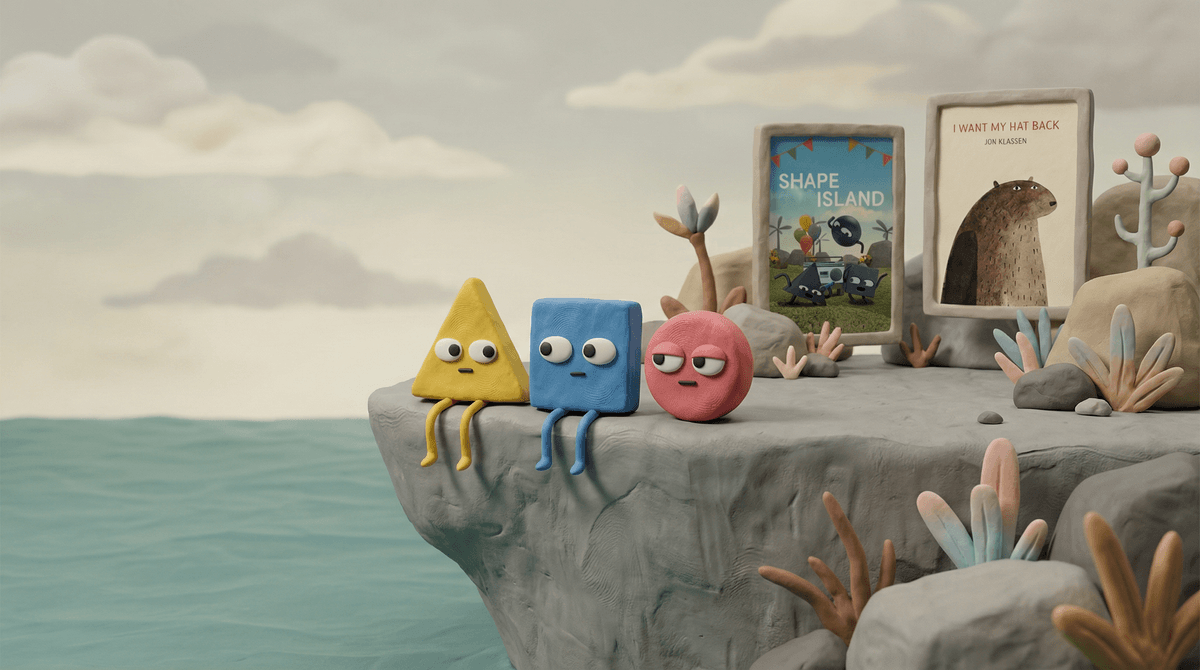
If your household prefers this gentler, more atmospheric vibe over the "mean" humor of Klassen’s other hits, you’ll find that same energy in Shape Island on Apple TV+. It’s based on his Shapes trilogy and carries that same "Seinfeld for kids" DNA—quiet, observational, and deeply funny without the loud, frantic pacing of typical animation.
A Different Kind of Moral Lesson
Most "sharing" books feel like a lecture from a Sunday school teacher. They tell kids that sharing is good because it’s the rule. We Found a Hat is different because it shows that sharing—or in this case, abstaining—is a choice made out of friendship.
The turtle doesn’t leave the hat alone because he’s afraid of getting caught; he leaves it because he values the shared dream more than the physical object. It’s a high-level concept delivered in about 50 words. For parents who want to explore why these "mean" or "dry" endings resonate so well with kids, our guide to Jon Klassen’s darkly funny collaborations breaks down how this style actually builds critical thinking better than a standard moralizing tale.
This is the one you keep on the nightstand when you’re too tired for a long story but want something that feels like actual art.