The mystery box that actually opens
Most "mystery box" shows fail because the writers are making it up as they go. They throw a polar bear on a tropical island and hope they can explain it three years later. Wayward Pines is different because it’s based on the trilogy by Blake Crouch. There is an actual answer to the question "what is this place," and the show isn't afraid to give it to you halfway through the first season.
If you are watching with a teen, the fun isn't just the "what," it's the timing. The show spends the first few episodes feeling like a weird tribute to Twin Peaks—strange neighbors, a sheriff who is obsessed with rum raisin ice cream, and a town where you can’t find a cricket that isn't a recording. Then, it pivots hard into a survival thriller. That shift is where the show earns its 7.3 IMDb rating. It respects the audience enough to stop playing coy and start dealing with the consequences of its world-building.
The YA transition
If your teenager grew up on The Hunger Games or The Maze Runner, this is their graduation into adult sci-fi. It uses the same building blocks: a walled city, a "chosen" protagonist, and a hidden truth about the outside world. But it removes the PG-13 safety net.
The "reckonings"—public executions for breaking town rules—are the specific friction point here. They aren't just background noise; they are the engine of the plot. The show asks a very uncomfortable question: if the human race were down to its last few hundred people, would a dictatorship be a moral necessity? It’s the kind of high-stakes ethical debate that keeps a 15-year-old engaged long after the credits roll. You can find a deeper breakdown of these themes and specific content warnings on Common Sense Media.
The Season 2 slump is real
You will be tempted to hit "next episode" when the Season 1 finale ends. Be careful. The consensus among critics and the audience—reflected in those mid-60s Rotten Tomatoes scores—is that the quality takes a dive once the initial mystery is gone.
Season 1 was executive produced by M. Night Shyamalan and feels like a complete, punchy story. Season 2 feels like a show trying to figure out how to exist without its best characters. If you want to keep the experience prestigious, treat the first ten episodes as a limited series. If you keep going, you’re entering standard "monsters in the dark" territory, which is fine for a Tuesday night but lacks the bite of the original hook.
Why it works on Hulu
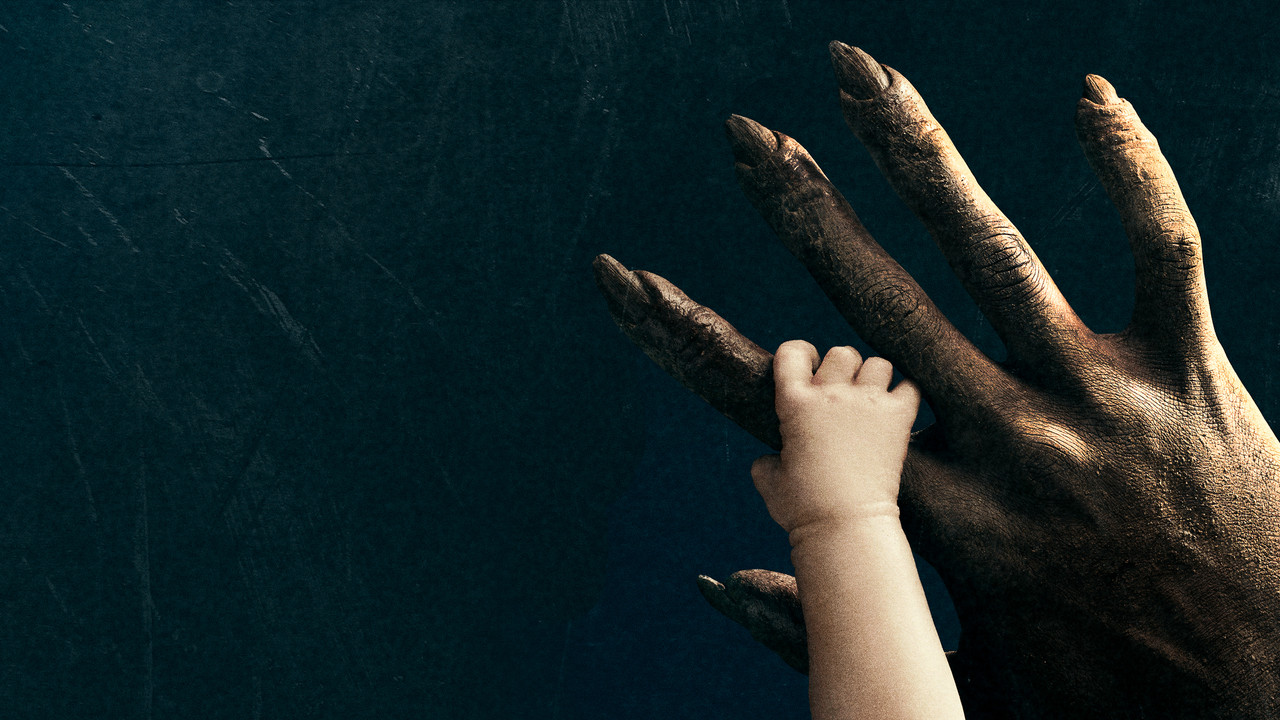
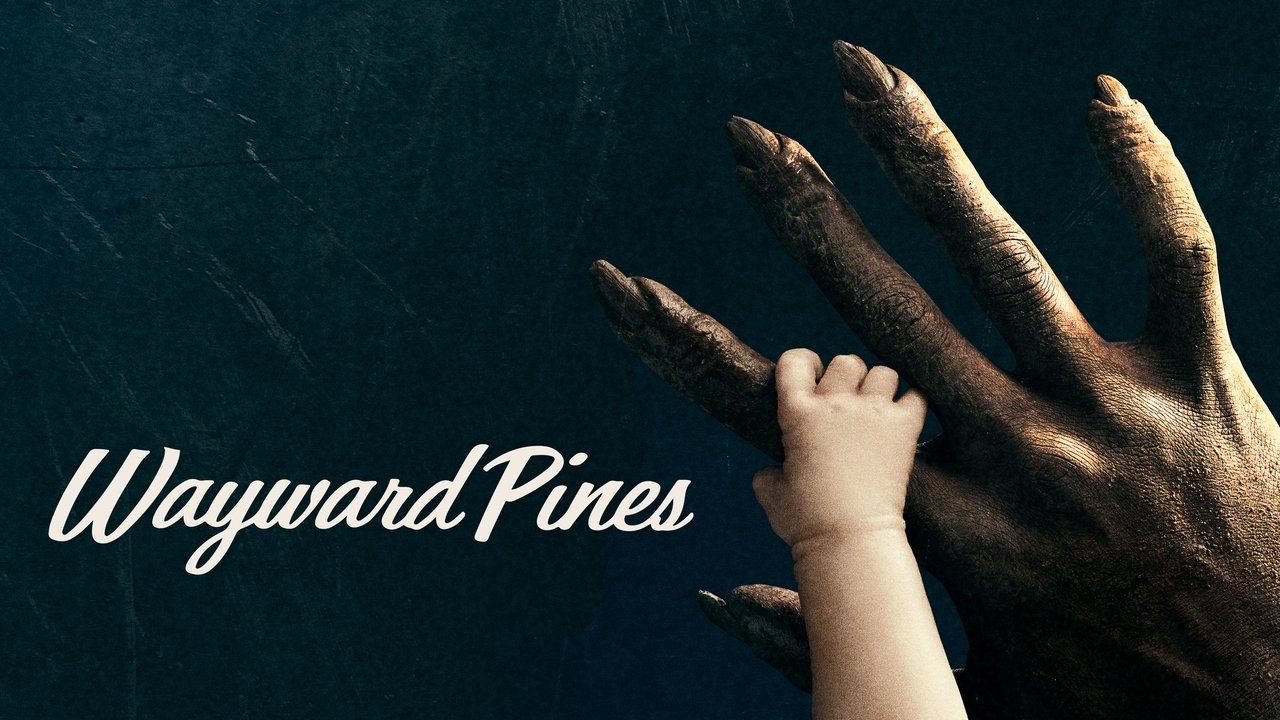
Since the show lives on Hulu, it’s easy to binge, and you should. This isn't a "one episode a week" kind of experience. The momentum is the whole point. The creature effects for the "Abbies" are genuinely unsettling, and the sound design—especially the way the town feels "too quiet"—is best experienced in a dark room with the volume up. Just be ready for the gore. When the show decides to be violent, it doesn't blink.