The Wayans origin story
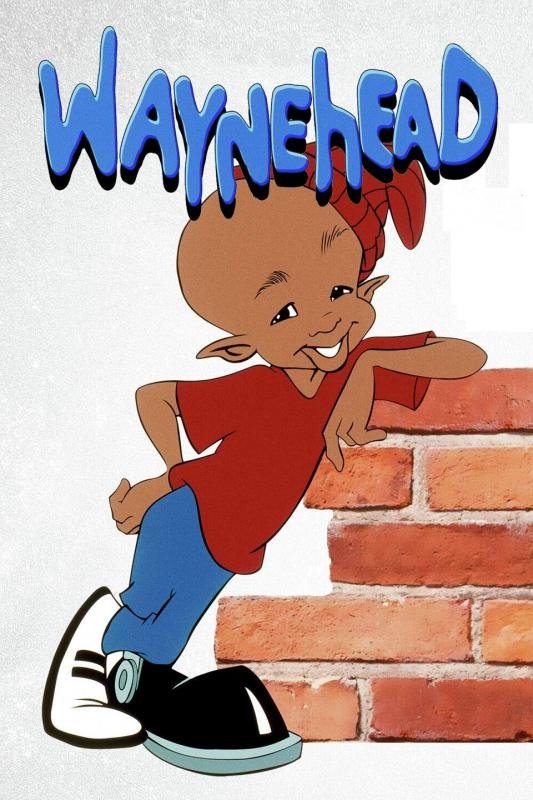
With the Damon Wayans and the 2026 'Scary Movie' Comeback putting the family name back in the cultural spotlight, it is the right time to look at where his family-friendly storytelling actually started. Most people know the Wayans name for R-rated parodies or sketch comedy, but Waynehead was a rare moment of vulnerability. It is a fictionalized version of Damon’s own childhood in New York. While the IMDb score sits at a modest 6.5, that number reflects a show that was perhaps a bit too grounded for a 1990s Saturday morning lineup usually filled with superheroes and talking animals.
Life in the 90s trenches
If your kid has seen Hey Arnold!, they will recognize the DNA here. It is that specific brand of urban realism where the neighborhood is a character itself. Damey deals with things that most modern cartoons sanitize into oblivion. We are talking about genuine poverty, the frustration of a physical disability, and the constant threat of neighborhood bullies who actually feel intimidating.
What makes it work is that Damey isn't a saint. He is a kid who gets frustrated, makes bad calls, and uses his imagination to cope with a world that doesn't always have a budget for his dreams. It is a show about resourcefulness. If your kid is into "underdog" stories where the hero wins by being smarter rather than stronger, this is a solid pick.
The "old show" friction
You have to manage expectations on the visual side. This is 1996 animation through and through. It is flat, the colors are a bit muted, and the frame rate will feel sluggish to a kid raised on high-def streaming. The pacing is also much slower than the 11-minute dopamine hits kids get today. It doesn't have the "blink and you'll miss it" editing of modern hits.
There is also a fair amount of "tough love" and roasting among the characters. In the world of Waynehead, friends show affection by making fun of each other. If your household is strictly "kind words only," the banter might feel a bit aggressive. But for most kids in the 7-to-11 range, it will just feel like a more honest version of how they actually talk to their peers when adults aren't listening.
Why it still hits
We don't get many shows that treat childhood struggle with this much soul. It avoids the "after-school special" trap by keeping the humor front and center. It is a time capsule of a specific era of animation, and even if it was short-lived, it leaves a lasting impression because it actually has something to say about resilience. It is less of a "must-watch" for the plot and more of a "good-to-know" for kids who feel like the odd one out in their own neighborhood.