The BookTok bait-and-switch
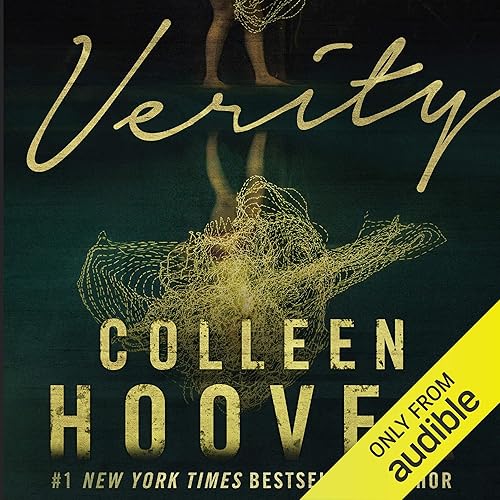
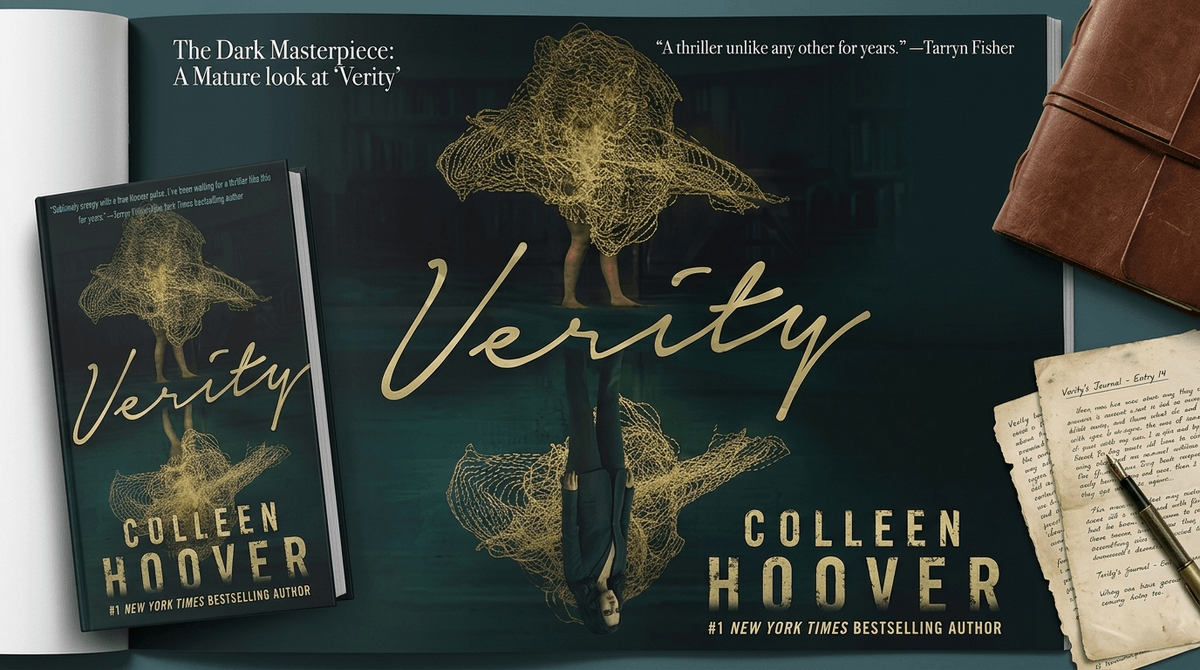
If you spend any time on social media, you’ve seen the covers. Colleen Hoover has essentially cornered the market on "emotional wreckage" as a genre. But Verity is a different beast than her usual romantic dramas. It’s marketed as a romantic thriller, but that label feels like a bit of a trick. It’s more of a psychological horror novel that happens to have a lot of sex in it.
The reason your teen is asking for this isn't because they’ve suddenly developed a taste for complex literary suspense. They want it because of the "shook" reactions they see online. The book is designed to be a viral moment. It relies on a specific kind of shock value that makes readers want to record themselves finishing the final page. While that makes for a fast, bingeable read, it also means the book leans heavily into content that is intentionally revolting.
The "Team Letter" vs. "Team Manuscript" friction
The entire hook of the book is the discovery of Verity’s secret autobiography. As Lowen reads it, we get chapters of the manuscript interspersed with the "real life" events in the house. This is the cleverest part of the book, but it’s also where the most disturbing material lives.
The manuscript details a mother’s active hatred for her children in a way that goes far beyond "unreliable narrator" territory. We’re talking about graphic descriptions of attempted and successful infanticide. After finishing the book, the internet usually splits into two camps—those who believe the manuscript was a writing exercise and those who believe it was a true confession. This ambiguity is what drives the 4.6 Amazon rating and the endless Reddit threads. However, for a younger reader, that nuance often gets lost under the weight of the visceral descriptions of child abuse. It’s not just "dark themes"—it’s a play-by-play of a parent harming their kids.
Logic gaps and "fast fashion" writing
If you’re a fan of tightly plotted thrillers by authors like Gillian Flynn, you’re going to notice some major cracks here. Several critics and readers on sites like Rated Reads point out that the character logic is often disjointed. Lowen’s decisions—like staying in a house where she’s clearly terrified or hiding a murder confession from a man she’s falling for—don’t always hold water.
The writing quality is polarizing. While 14,000+ five-star ratings on Goodreads suggest it hits the spot for the masses, the prose can feel clunky. It’s the literary equivalent of a slasher movie: you aren't there for the character development or the beautiful sentences; you’re there to see how messy things can get. If your teen is a "strong reader," they might actually find the plot holes more annoying than the content is scary.
The verdict on the "adult" label
There is a tendency in parenting circles to think "if they can handle Stranger Things, they can handle this." That’s a mistake. The violence in Verity isn't supernatural or stylized; it’s intimate and domestic. When you pair that with the frequent, highly descriptive sex scenes, you get a book that was written strictly for an adult audience.
If they want a thriller, point them toward something like A Good Girl's Guide to Murder or even classic Agatha Christie. Those provide the "whodunnit" dopamine hit without the trauma-porn elements that make Verity such a polarizing, 18+ experience. This isn't about being a prude; it’s about recognizing that some "page-turners" are just too heavy for a developing brain to process as mere entertainment.