

Vampire Survivors

Vampire Survivors

game

2022, Role-playing (RPG), Adventure

WISE
80%

WISE Score

81%

IGDB

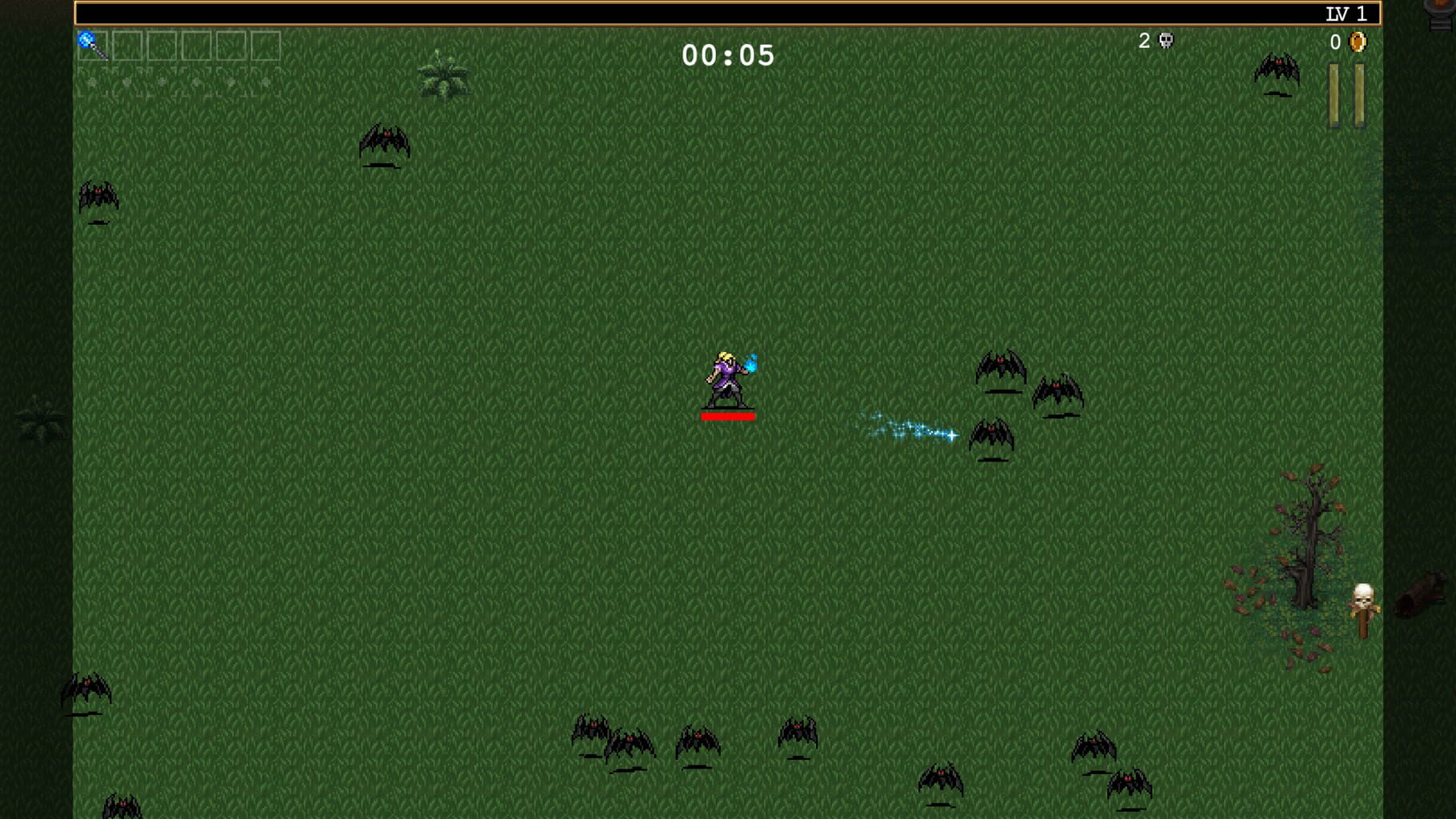
A retro pixel-art monster mower where you dodge endless waves of skeletons while your auto-firing weapons turn the screen into pure sensory overload.

Screenwise Verdict

Vampire Survivors looks like a forgotten 1990s Super Nintendo title, but its gameplay loop is pure modern design brilliance. You don't even press an attack button; your character auto-fires while you dodge thousands of pixelated monsters. The entire game centers on selecting smart upgrade combinations whenever you level up, transforming a weak survivor into a walking fireworks display of holy water and flying whips.

The key for parents is understanding the loop structure. A successful run lasts a maximum of 30 real-time minutes, providing a hard natural timer for gaming sessions. There are no loot boxes, no toxic online chat rooms, and no pay-to-win tricks. Mobile has optional opt-in reward ads, while console, Switch, and PC versions are clean one-time purchases.

If your kid is at least 9 or 10 and enjoys strategic planning or rogue-lites, this is an easy recommendation. The local co-op mode on console and Switch makes it one of the most unexpectedly fun games to play side-by-side on the couch.

Age Fit

Best for kids ages 9 and up who are comfortable with retro spooky themes like skeletons and bats and won't get overwhelmed by heavy visual screen noise.

WISE Breakdown
Wholesome
58

The non-stop pixelated destruction of bat and skeleton hordes leans away from traditional wholesomeness, but the tone is light retro arcade fun rather than dark or mean-spirited.

Imaginative
82

Offers great creative depth in build theorycrafting, finding weapon evolutions, and unlocking secret characters and secret stages.

Safe
88

No online chat or predatory multiplayer mechanics. Monetization is clean on console/PC and non-intrusive on mobile, though late-game runs produce intense visual flashing clutter.

Enriching
72

Encourages spatial planning, resource management, probability judgment, and learning from failure through a classic trial-and-error rogue-lite loop.

Parent Info
✓

Why It Might Be Great

  • Zero complex controls: You only control movement with a thumbstick or arrow keys, making it instantly accessible regardless of gaming skill.
  • Deep build theorycrafting: Combining garlic, magic wands, and passive items to unlock hidden weapon evolutions makes every run feel like a fresh puzzle.
  • Fantastic local co-op: Up to four players can share a screen on consoles or PC, turning it into a chaotic and cooperative family couch game.
  • Fair monetization: A straightforward low-cost purchase on consoles and PC, completely clean on Apple Arcade, and voluntary ad rewards on free mobile versions.
⚠

What to Watch For

  • Visual chaos and flashing lights: Late-game stages flood the screen with thousands of enemy sprites, particle effects, and flashing light sequences.
  • The 30-minute dopamine loop: Runs are capped at 30 minutes, creating a strong 'just one more try' impulse that can make ending a session tricky.
  • Gothic pixel themes: Monsters include vampires, skeletons, giant spiders, and floating eyes, though all rendered in harmless 16-bit retro graphics.

Conversation Starters

  • "Which weapon evolution worked best for your character on that last run?"
  • "How do you decide between picking a new weapon or upgrading one you already have?"
  • "What's your movement strategy when the screen gets completely surrounded by enemies?"

Deep Dive

Why an auto-attacking monster game became an indie classic

When Vampire Survivors exploded in popularity, gaming critics were surprised by how a simple game made by a solo developer using retro pixel assets could prove so sticky. The magic is in the complete subtraction of mechanical barriers. There are no multi-button combos to memorize and no camera controls to fight. You just move.

Because movement is your only job, all brainpower goes into resource prioritization and build optimization. Do you take the garlic aura to keep weak enemies away early, or invest in passive damage upgrades that pay off twenty minutes later? When two items combine into a hyper-powered evolved weapon, the resulting screen-clearing rush feels earned through smart decisions.

Managing the friction points

The primary friction isn't mature content; it's session management. The core design relies on the classic rogue-lite mechanic of dying, spending earned gold on permanent stat boosts, and jumping right back in. Because dying feels like a learning step rather than a loss, setting a firm 'last run of the night' boundary before your kid starts a fresh 30-minute clock is essential.

Visually, the game uses a retro 16-bit aesthetic. While the enemies are technically monsters, blood is minimal and defeats are simple pixel bursts. However, the sheer volume of graphics on screen during late-game moments can be intense for kids prone to sensory overload or light sensitivity.

How to play it together

While Vampire Survivors started as a single-player computer hit, the addition of local couch co-op changed the dynamic entirely. Up to four players share the same screen, sharing gem collection duties and negotiating over who gets which passive item upgrade. It converts what could be an isolated screen session into a high-energy group strategy board game on your living room TV.

What Parents Ask

Ask Anything

Get a personalized guide on any topic