The Happiness Industrial Complex
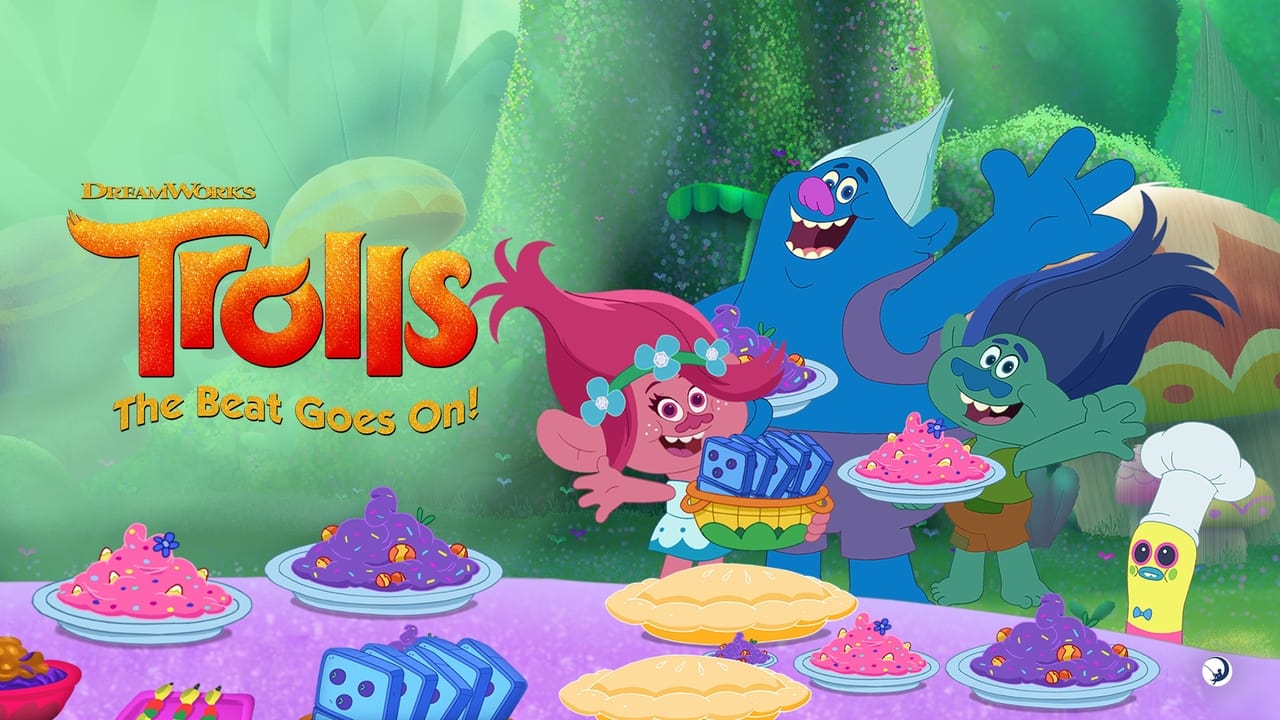
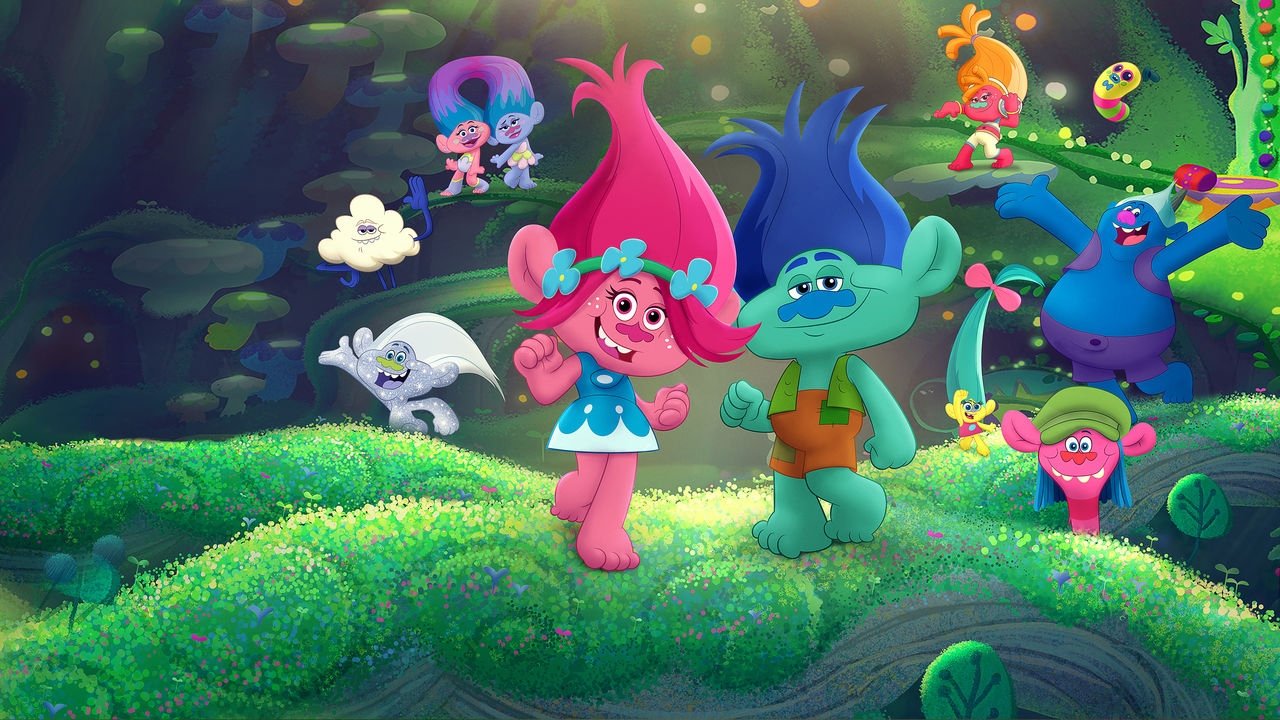
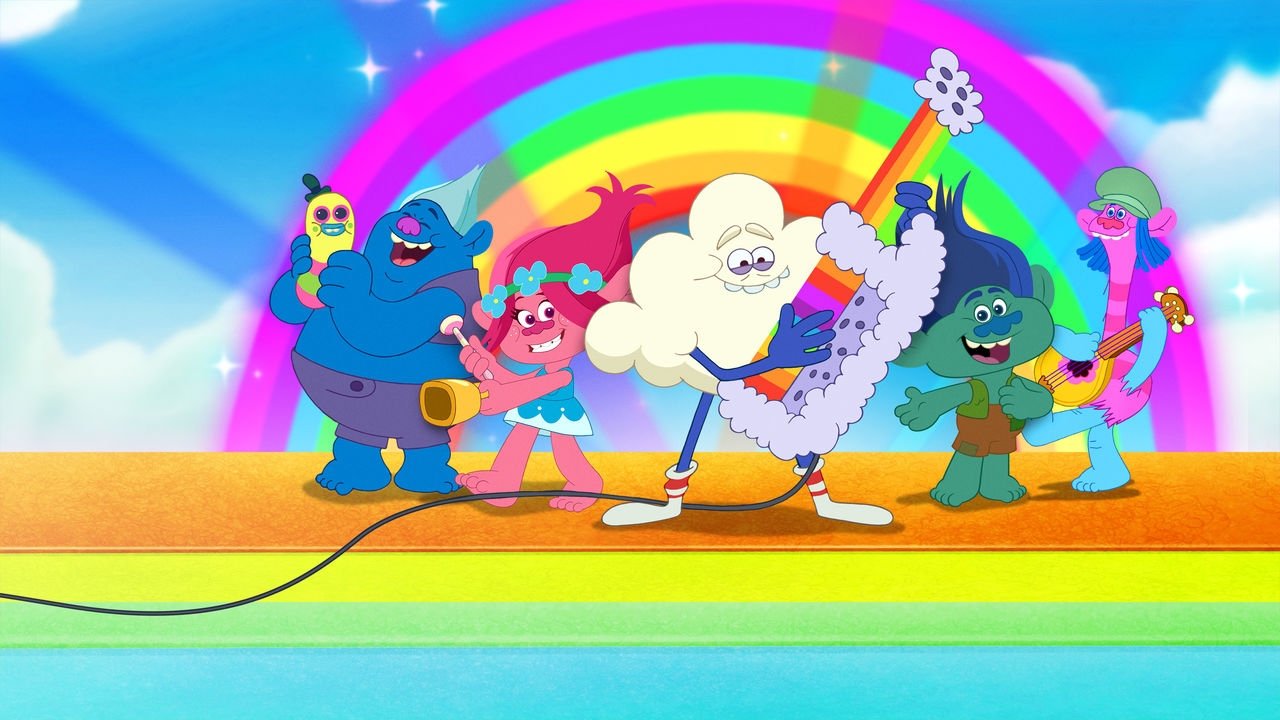
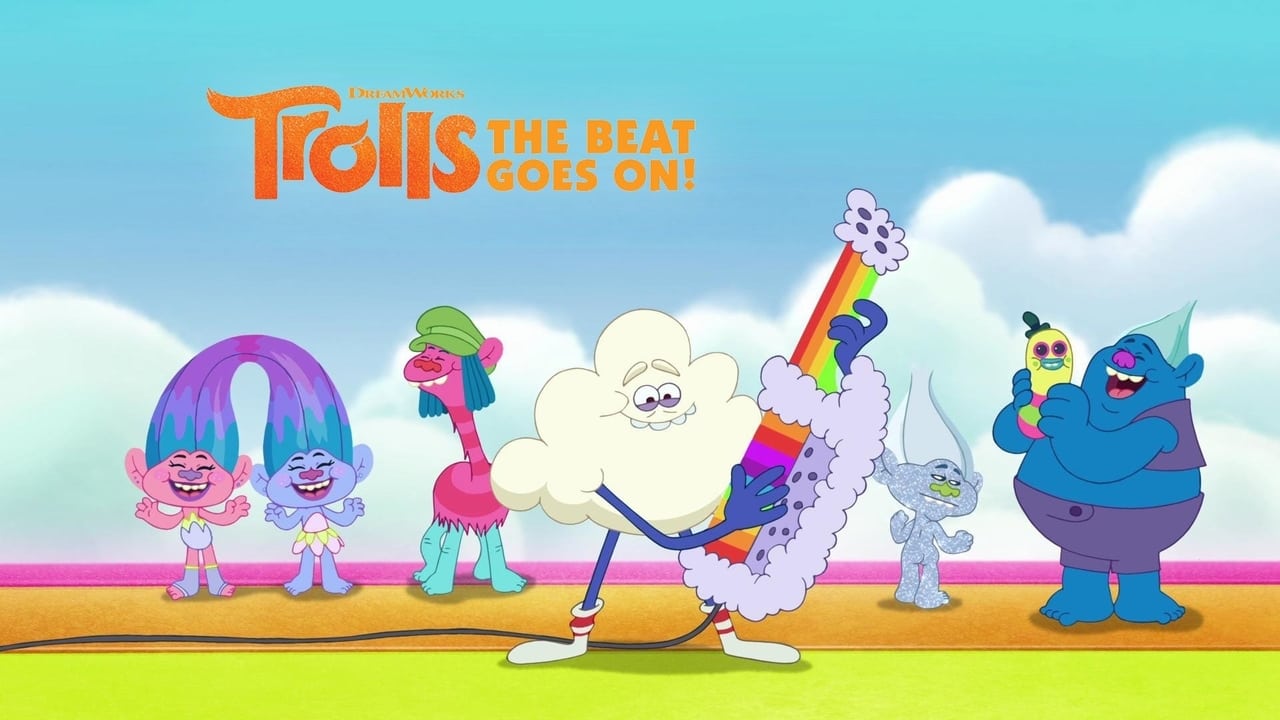
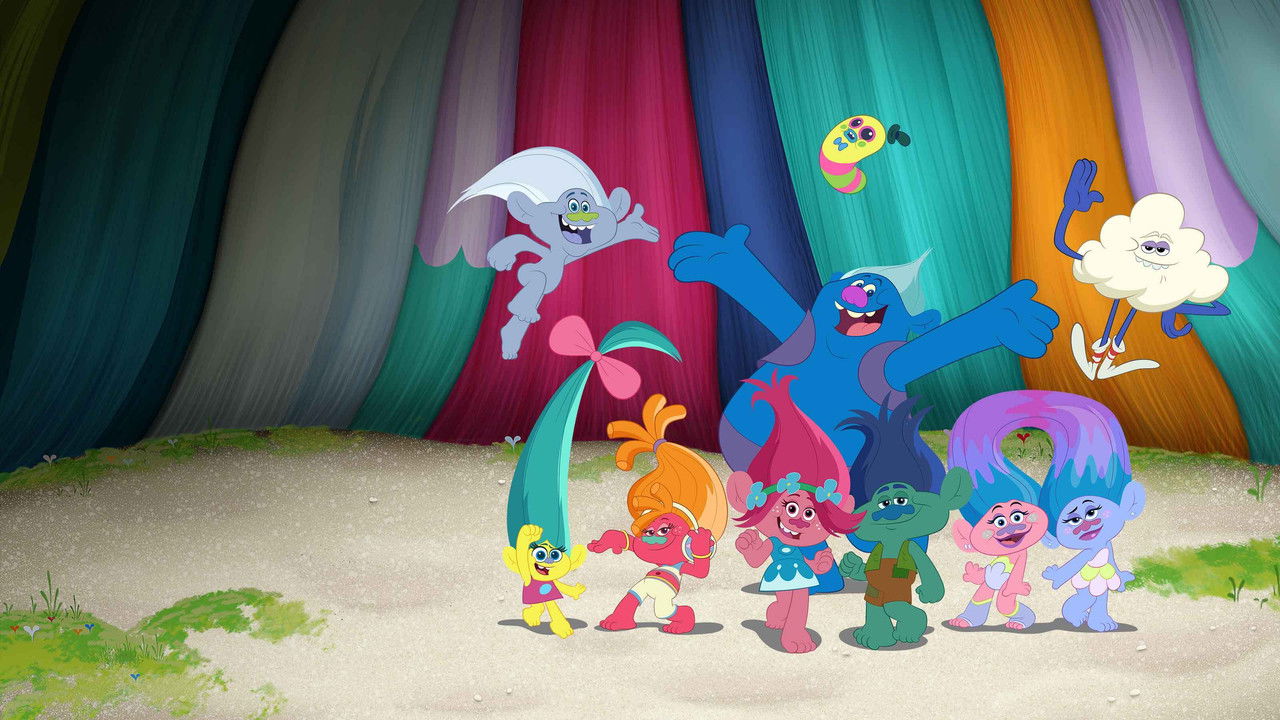
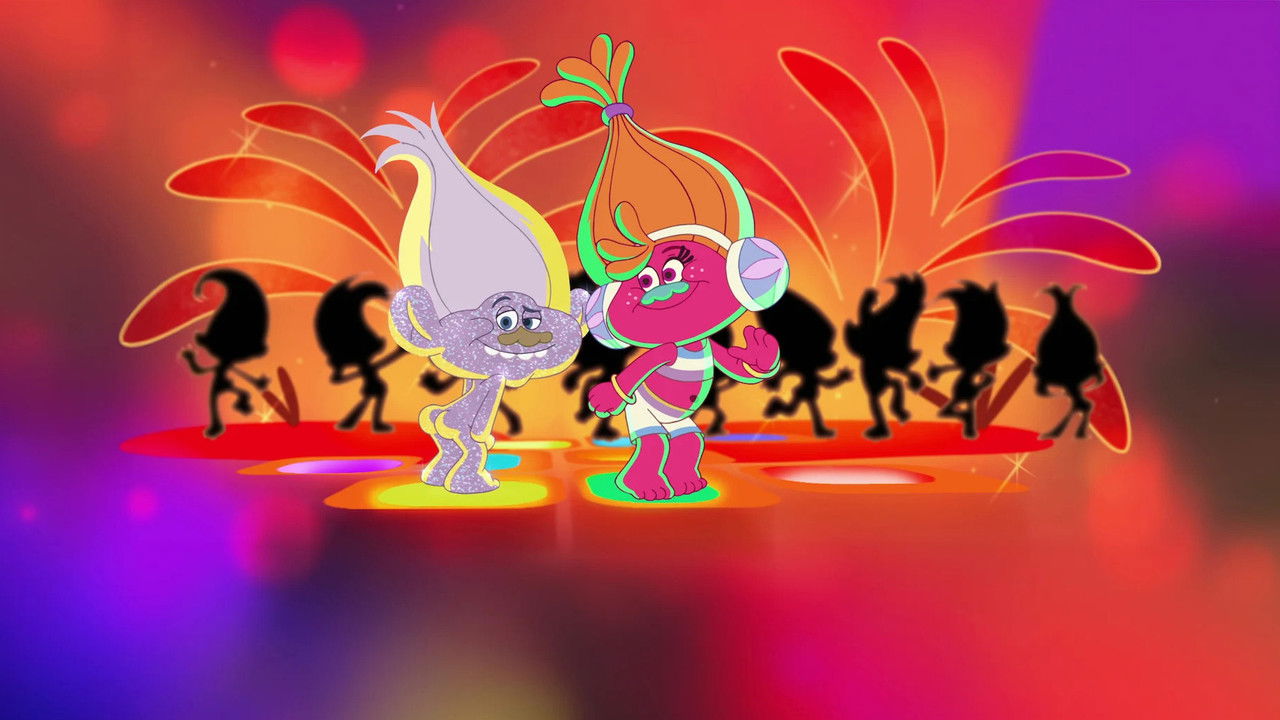
When DreamWorks launched the Trolls franchise, it would have been easy to phone it in with a generic toy-commercial show. Instead, they leaned into a very specific, high-tactile animation style that looks like it was built in a Michael’s craft aisle. This visual identity is one of the show's strongest suits—it feels 'handmade' in a way that encourages kids to go build things in the physical world.
Poppy vs. Branch: The Emotional Spectrum
The show works because of the dynamic between Poppy (the eternal optimist) and Branch (the cautious realist). In the 2018 series, this relationship evolves into a useful template for kids to understand different personality types. Poppy isn't just 'happy'; she's an active leader who has to learn that her way of solving problems (usually a party) isn't the only way.
"Trolls doesn't just preach happiness; it explores the social labor required to keep a community together."
Compared to something like Paw Patrol or Cocomelon, Trolls has significantly more wit. The writing is snappy, the voice acting is top-tier, and the musical sequences are genuinely well-produced. It’s not 'educational' in the sense of teaching phonics, but it’s high-value in terms of social-emotional modeling and sheer creative energy.
If your kid liked the movies, the show is a seamless transition. If you're new to the franchise, start here for a low-stakes introduction to one of the most vibrant worlds in modern animation. Just keep a vacuum handy—the metaphorical glitter is hard to get out of the carpet.