The Wolf, the Duck, and the Mouse

The Wolf, the Duck, and the Mouse

book

2017, Children's Books, Action & Adventure

WISE
87%

WISE Score

4.8

Amazon

A wolf eats a duck and mouse, who decide his belly is actually a pretty nice place to live—absurdist, cozy, and surprisingly sweet.

Amazon4.8
Common Sense Media

Where to Read

Our reviews and ratings are 100% unbiased, but as an Amazon Associate, Screenwise earns an affiliate fee if you buy a book or game by clicking one of our links. We don't get any credit if you just Google it instead :)

Screenwise Verdict

This is one of those rare picture books that works on multiple levels—young kids enjoy the cozy, surprising friendship, while older kids and adults appreciate the absurdist humor and gorgeous visual storytelling. Mac Barnett and Jon Klassen are masters of deadpan, and this book showcases their talents beautifully.

The premise sounds dark (a wolf eats a duck and mouse), but it's handled with such matter-of-fact gentleness that it becomes oddly comforting. The animals aren't traumatized—they're pragmatic and creative, turning the wolf's belly into a surprisingly pleasant home. It's a great entry point for talking about perspective, storytelling conventions, and how the same scenario can be scary or funny depending on how it's told.

If your kid loves weird, wonderful books like The Day the Crayons Quit or anything by Jon Klassen, this is a must-read. If they're very literal or anxious about animals being eaten, you might want to wait a year or frame it clearly as silly make-believe. But for most families, this is a keeper—one you'll pull off the shelf again and again.
Age Fit

Best for ages 4-9, especially kids who love quirky, slightly subversive humor. Younger kids will need help understanding the absurdist premise, while older elementary readers will appreciate the cleverness and re-read it for the jokes.

WISE Breakdown
Wholesome
88

A surprisingly tender story about unlikely friendship and finding home in unexpected places. The wolf isn't villainous—he's just a wolf who's swallowed a duck and mouse, and they all decide living inside his belly is actually pretty cozy. The tone is warm and cooperative, with the animals working together to make their unusual living situation work. Models acceptance, problem-solving, and making the best of strange circumstances without meanness or cruelty.

Imaginative
92

The premise alone—a duck and mouse living contentedly inside a wolf's stomach—is wildly inventive and absurdist in the best way. Mac Barnett takes a fairy-tale trope (animals getting eaten) and flips it into something cozy and domestic. The illustrations (by Jon Klassen) are gorgeously atmospheric and add layers of visual storytelling. It invites kids to think about perspective, reimagine familiar stories, and embrace the delightfully weird.

Safe
82

The book involves a wolf eating other animals, which could initially seem dark, but it's handled with such matter-of-fact gentleness that it never feels scary or violent. The duck and mouse are alive and well inside the wolf, living quite happily. Some sensitive kids might find the premise unsettling at first, but there's no gore, no trauma, no nightmare fuel. The bigger concern is whether younger kids will understand the absurdist humor versus taking it literally and worrying about being eaten.

Enriching
85

This book quietly teaches perspective-shifting, creative problem-solving, and finding community in unlikely places. It's also a gateway to discussing predator-prey relationships in nature (versus fairy tales), the difference between literal and imaginative storytelling, and how stories can subvert expectations. The language is simple but sophisticated, and the 4.8 Amazon rating suggests it resonates deeply with families. It's not didactic—it just invites conversation and wonder.

Parent Info

Why It Might Be Great

  • Takes a classic scary fairy-tale scenario (getting eaten by a wolf) and turns it into something warm, funny, and oddly comforting
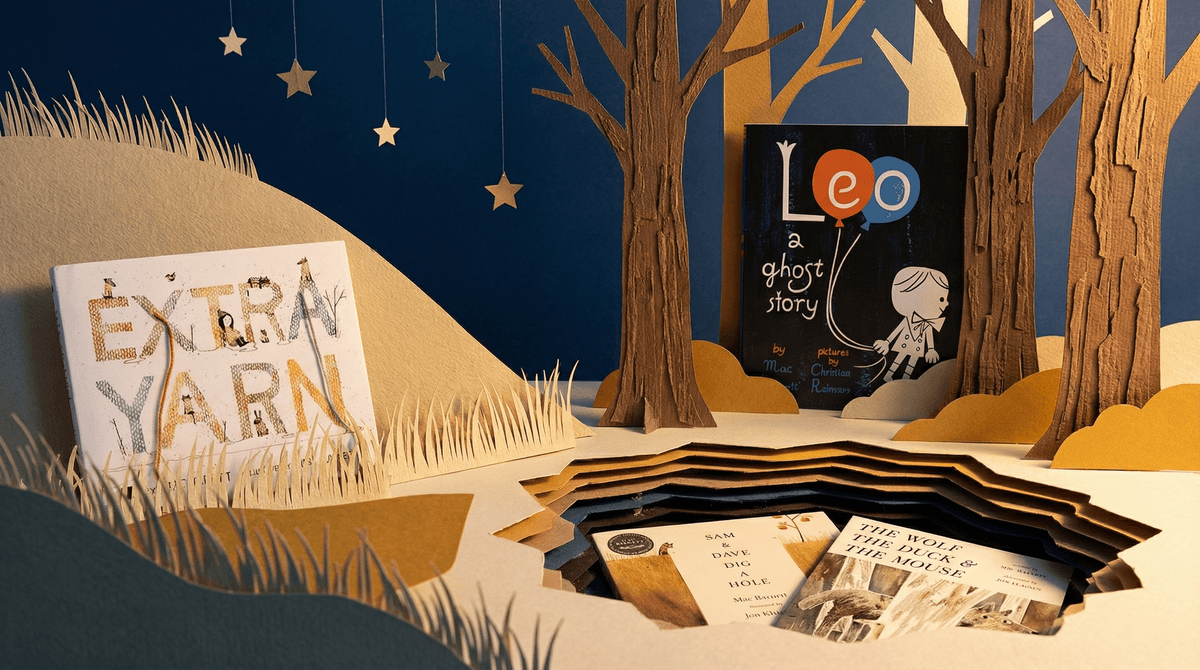
  • Mac Barnett and Jon Klassen (the team behind Sam & Dave Dig a Hole) bring their signature deadpan humor and gorgeous, moody illustrations
  • Teaches perspective-shifting and creative problem-solving without being preachy—just through a delightfully weird story
  • High re-read value—kids catch new details and jokes each time, and adults genuinely enjoy reading it aloud
  • A conversation-starter about how stories work, what makes something scary versus funny, and finding home in unexpected places

What to Watch For

  • Very literal-minded or anxious kids might initially worry about the animals being eaten—you may need to frame it as silly and imaginary upfront
  • The humor is dry and absurdist; younger preschoolers might not quite get the joke yet (but they'll still enjoy the pictures)
  • Not a traditional moral-of-the-story book—it's more about vibe and imagination than a clear lesson

Conversation Starters

  • "If you could live inside something unusual, where would you pick? What would you bring with you?"
  • "Why do you think the duck and mouse decided to stay instead of trying to escape?"
  • "In most stories, the wolf is the bad guy. Is this wolf bad? Why or why not?"
  • "What do you think happens after the story ends? Do they stay friends?"

Ask Anything

Get a personalized guide on any topic