Why the book hits different
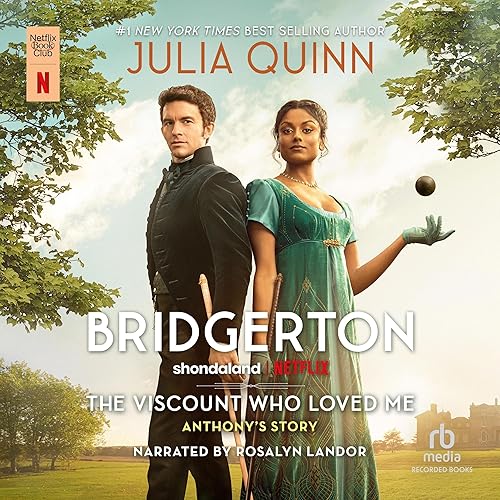
If you’ve only seen the Netflix adaptation, reading The Viscount Who Loved Me feels like getting the director’s cut of someone’s internal monologue. While the screen version leans into visual spectacle and "slow burn" longing, Julia Quinn’s original text is much more concerned with why Anthony Bridgerton is such a mess to begin with.
The central conflict isn't just Kate Sheffield’s sharp tongue—though her banter is easily the best in the series—it’s Anthony’s conviction that he is destined to die young like his father. It’s a heavy psychological anchor for a book that otherwise feels like a breezy romp through Mayfair. This trauma makes Anthony’s "rake" persona feel less like a lifestyle choice and more like a coping mechanism. If you’re coming from the show, the book’s version of the "bee sting" incident might feel jarringly different in terms of its consequences, but it serves the same purpose: forcing two people who hate each other into a room they can't leave.
The "Spice" and the source material
This is the book that essentially defined the modern "enemies-to-lovers" blueprint. It’s also the book that many parents find their teens "discovering" via BookTok. It is important to be clear: this is adult romance. The explicit scenes are descriptive and occupy a significant chunk of the final third.
If your teenager is asking for this because they’ve finished the show, you should check out our guide on Bridgerton Books: From Netflix Binging to the 'Steamy' Source Material to understand the gap between the TV-MA rating and the actual prose. The book doesn't have the same "ensemble" feel as the show; it is laser-focused on Anthony and Kate, which means the heat level feels much more concentrated.
Sibling rivalry as a sport
The Pall Mall scene is the undisputed peak of the book. It’s where the Bridgerton family dynamics actually feel real rather than just a collection of pretty people in waistcoats. The "Mallet of Death" isn't just a joke; it’s a window into how these siblings interact when the ton isn't watching.
For readers who find Regency romance a bit too stiff, these chapters are the antidote. They ground the story in a chaotic, competitive energy that makes the eventual romance feel earned. According to reviews on Goodreads, this installment is frequently cited as the fan favorite because Kate Sheffield is a rare heroine of the era who refuses to be intimidated by the hero’s status or his brooding. She doesn't just want to marry him; she wants to beat him.
If you’re looking for more
If you enjoy the witty sparring here but want something that moves away from the ballroom, you might find the same "competent people bickering" energy in other genres. However, if you’re looking for something to listen to on a solo road trip that has a similar "not for kids" warning, our parent's guide to The Spy Who covers a podcast that deals with high-stakes tension and messy history, albeit with more real-world betrayal than Regency courting.