The "Everything is Ruined" Phase
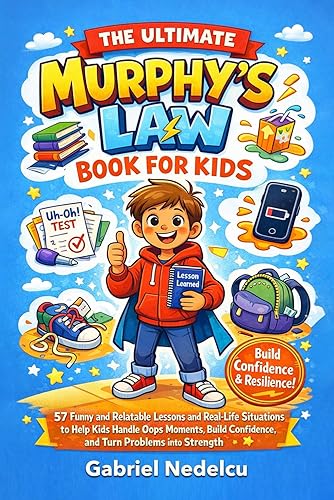
If you are currently living with a child who treats a broken crayon like a literal war crime, you know the vibe this book is trying to tackle. We have all been there. It is 7:45 AM, the favorite blue socks are in the wash, and suddenly the entire day is a write-off. This book is a tactical response to that specific brand of childhood drama. It uses a character named Charlie to bridge the gap between a parent saying "it’s not a big deal" (which never works) and the kid actually believing it.
What makes this work is the relatability of the stakes. We aren't talking about grand moral fables here. We are talking about the milk spilling right before school or someone else taking the "good" seat on the bus. These are the low-level, high-friction moments that make up a kid's actual life. For parents looking for a deeper strategy on these meltdowns, our guide to handling the "Everything is Ruined" phase breaks down how to turn these 57 lessons into a long-term resilience habit.
57 Tiny Disasters
The structure is the real selling point. It is a collection of 57 short vignettes rather than one long, winding story. This is a massive win for two reasons. First, you can read one or two before bed without getting trapped in a forty-minute saga. Second, it mirrors the way kids actually experience "bad luck." It is rarely one big thing; it is a series of small, annoying things that pile up.
By following Charlie through these classroom mix-ups and "everyday little disasters," kids get to see the logic of Murphy’s Law from a distance. It is much easier to laugh at Charlie’s plan B than to come up with your own when you’re the one who just dropped your ice cream. If your kid gravitates toward facts and bite-sized reading rather than long novels, this hits a similar itch as The Ultimate Book of Interesting Stories, but with a focus on emotional intelligence instead of trivia.
The Interactive Catch
The book includes coloring elements and reflection prompts, which can be a bit of a double-edged sword. For the 6 to 9 crowd, this is brilliant. It gives them something to do with their hands while you talk through the "what would you do?" questions. It moves the book from something they just consume to something they actually participate in.
However, if you have a 10 or 11-year-old who thinks they are too cool for "coloring," you might want to pitch this as a survival guide rather than an activity book. The logic of Murphy’s Law — the idea that things will go wrong and you just need a backup plan — is actually quite sophisticated. It’s the foundation of engineering and project management. Even if they skip the coloring, the "Plan B" thinking is a skill they will actually use.
Why it sticks
Most "lessons" books feel like a lecture from a guidance counselor. This one feels more like a commiseration. It admits that life is often unfair and annoying. By leaning into the humor of the "oops" moments, it takes the power away from the frustration. It’s a solid 4.8-star Amazon performer for a reason: it solves a very specific, very loud problem in most households. It won't turn your kid into a stoic overnight, but it might buy you a few extra minutes of peace the next time the school bus pulls away ten seconds too early.