The Sims

The Sims

game

2000, Simulator

WISE
68%

WISE Score

80%

IGDB

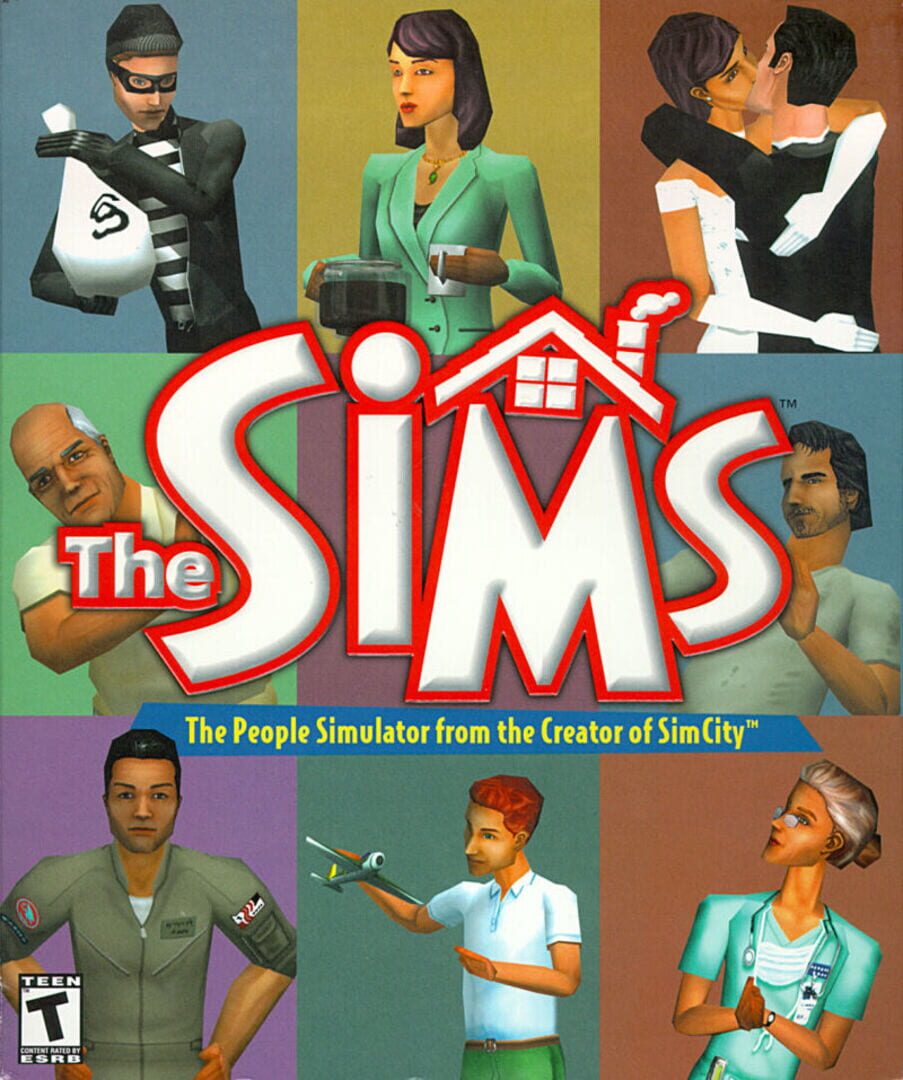
The OG dollhouse simulator where you play god with tiny digital people—building dream homes, ruining lives, and occasionally trapping Sims in pools.

Where to Play

Screenwise Verdict

The Sims (2000) was revolutionary—a true sandbox that let you play architect, storyteller, and benevolent (or sadistic) deity. It's creative, open-ended, and surprisingly educational about life management. The problem? It's 24 years old.

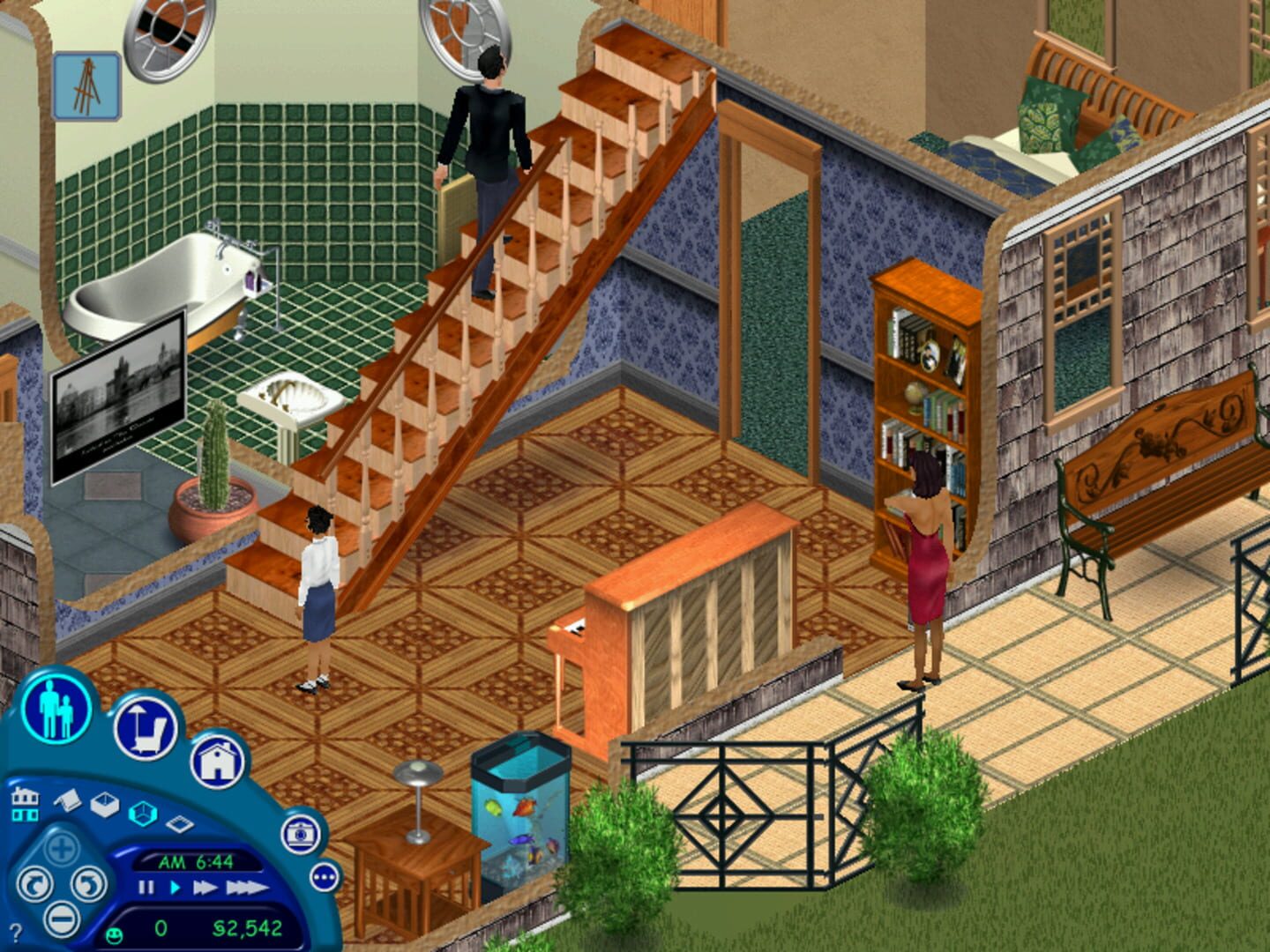
For modern kids, the original Sims is like asking them to watch a black-and-white movie: historically important, but genuinely hard to engage with. The graphics are primitive, the interface is clunky, loading times are eternal, and there's just... not much to do compared to Sims 4 with its expansions and polish. Most kids will bounce off this hard unless they're retro gaming enthusiasts or you're deliberately doing a 'history of gaming' thing.

Content-wise, it's mostly fine—cartoon deaths, pixelated 'WooHoo,' and relationship drama. No online predators or microtransactions to worry about in this version. But the open-ended nature means creative kids might experiment with darker scenarios (neglect, death traps), so younger players need supervision.

If your kid wants to play The Sims, steer them toward Sims 4 (with appropriate expansion oversight). This original is a museum piece—fascinating, foundational, but realistically unplayable for most modern kids.
Age Fit

Best for ages 10-16 who can handle cartoon deaths and implied romance, and who have the patience for dated 2000s graphics. Younger kids might be upset by Sim deaths; older teens will likely find it too primitive compared to Sims 4.

WISE Breakdown
Wholesome
72

The Sims encourages players to build relationships, manage households, and develop characters with diverse personalities. It models consequences for actions (neglect needs, relationships suffer) and promotes empathy through caretaking. However, Sims can engage in romantic relationships, argue, and experience negative emotions. The tone is generally lighthearted and cartoonish, but some adult themes (romance, career stress) are present. Pacing is player-controlled and not chaotic.

Imaginative
88

Groundbreaking life simulation that pioneered open-ended creative play. Players design homes from scratch, create unique characters with distinct personalities, and craft their own narratives. The sandbox nature invites experimentation with architecture, interior design, social dynamics, and storytelling. No prescribed goals means imagination drives the experience. This was genuinely innovative for its time and remains a creative sandbox.

Safe
75

No in-game purchases, loot boxes, or online chat in the original 2000 version—major safety positives. Users can interact locally but not with strangers. However, Sims can 'WooHoo' (implied sex, censored with pixelation), die from various causes (fire, drowning, starvation), and the game includes mild cartoon violence (fights). Deaths can be unexpected and potentially upsetting for younger players. No ESRB rating provided, but later versions were rated T for Teen. The open-ended nature means players can create scenarios that range from wholesome to morbid.

Enriching
68

Teaches resource management (money, time, needs), consequences of choices, basic architecture and design principles, and social dynamics. Players learn to balance competing priorities and understand cause-and-effect. The game can spark interest in careers, relationships, and life planning. However, entertainment value is high but educational depth is moderate—it's more about experimentation than explicit skill-building. The simulation aspects offer some life lessons but in a simplified, game-ified way.

Parent Info

Why It Might Be Great

  • Pioneering sandbox creativity: design homes, create characters, and craft your own stories without prescribed goals
  • Teaches resource management, consequences, and balancing priorities (keep your Sim fed, happy, employed, and social)
  • Encourages empathy through caretaking—you genuinely care whether your Sims thrive or suffer
  • Zero modern monetization concerns: no IAP, no loot boxes, no online strangers in the 2000 version
  • Can spark interest in architecture, interior design, careers, and relationship dynamics

What to Watch For

  • Sims can die in various ways (fire, drowning, starvation)—sometimes unexpectedly, which may distress younger kids
  • Romantic relationships and 'WooHoo' (censored implied sex with pixelation) are part of gameplay
  • The 2000 version is genuinely dated—clunky interface, primitive graphics, and slow pacing may frustrate modern kids used to Sims 4 or Roblox
  • Open-ended nature means kids might create dark scenarios (torture, neglect) if unsupervised—the game doesn't stop you from being cruel

Conversation Starters

  • "What kind of house did you build for your Sim? What was the hardest part about designing it?"
  • "How do you decide what your Sim should do each day? What happens if you ignore their needs?"
  • "Have any of your Sims died? How did that happen, and how did you feel about it?"
  • "If you could control a real person's life like a Sim, would you? Why or why not?"
  • "What career did you choose for your Sim, and why? What do you think you might want to do when you grow up?"

Ask Anything

Get a personalized guide on any topic

Related Guides