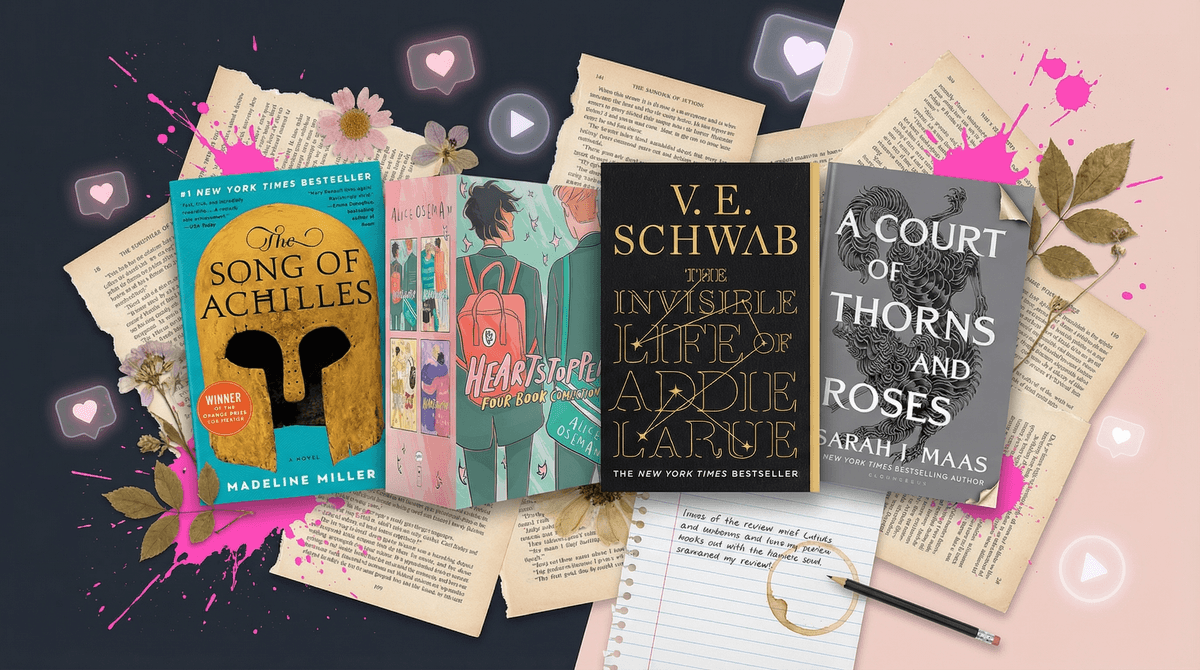
If you see your kid carrying a copy of this with a bunch of Post-it flags and a latte, they’ve likely fallen down the BookTok Books for Teens rabbit hole. The Secret History is the undisputed heavyweight champion of the "dark academia" aesthetic. On social media, this book is all about moody libraries, tweed blazers, and the romanticized pursuit of ancient Greek.
But there is a massive disconnect between the Pinterest boards and the actual text. This isn't a cozy campus mystery. It is a slow-burn psychological autopsy of a group of elitist, pretentious students who think they are too smart for human laws.
The Aesthetic Trap
The reason this 1992 novel is currently trending with 15-year-olds is entirely about the vibe. Donna Tartt—who also wrote the Pulitzer Prize-winning The Goldfinch—is a master of atmosphere. She makes the Vermont setting feel like a dream world where students drink tea, speak Greek, and ignore the modern world.
For a teenager, that kind of exclusivity is intoxicating. But parents need to know that the "beauty" in this book is a Trojan horse. The characters aren't heroes; they are sociopaths. They don't just study the classics; they try to recreate ancient, bloody rituals that lead to cold-blooded murder. If your teen is looking for a fun school story, this will likely leave them feeling depressed or disturbed.
This Isn't a Whodunnit
Tartt makes a bold move on page one: she tells you exactly who died and who did it. The "secret" isn't the crime itself, but the slow, agonizing decay of the group’s mental state afterward.
This is where the book gets friction. It is incredibly long and, at times, intentionally "literary" and slow. It spends pages on Greek translations and philosophical debates. If your kid is used to fast-paced YA thrillers, they might find this boring. However, if they are the type who wants to feel "adult" and sophisticated, they will push through the dense prose just for the status of having finished it.
The "Mature" Reality Check
While the Amazon reviews are high (4.2), the content is genuinely heavy. We aren't just talking about a "bad influence" teacher. We're talking about:
- Casual, heavy substance abuse (alcohol and pills are basically a food group here).
- A subplot involving incest that is treated with a unsettling lack of judgment by the narrator.
- A total lack of a moral compass.
There is no "lesson" at the end of The Secret History. No one goes to jail and learns their lesson. The characters just become hollowed-out versions of themselves. If your kid liked the "teacher-student" bond in Dead Poets Society, they need to know this is the poisoned version of that dynamic.
How to Handle the Hype
If your teen is dead-set on reading it because of the online trend, don't ban it—that just makes it more alluring. Instead, treat it like the adult literature it is. Ask them why they think the narrator is so desperate to be liked by these people. Point out that the "cool" classics professor is actually a manipulative coward.
If they want the "dark history" vibe without the 600 pages of psychological trauma, you might point them toward something like Unhinged History: The Gross, Weird Stories Your Kid Actually Wants to Read. It delivers the "secrets from the past" hook without the "murdering your friends in a field" baggage.