The "100% Fresh" hurdle
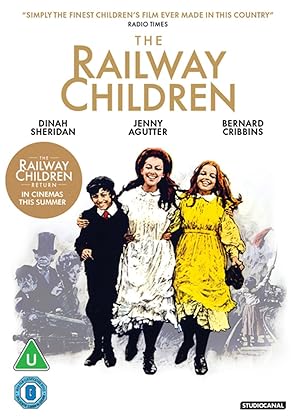
Critics love this movie because it's a masterclass in restraint. In an era where family films feel like they’re being edited by someone on a caffeine bender, The Railway Children takes its time. There are no villains twirling mustaches and no high-stakes chase sequences. Instead, the drama comes from the "enforced absence" of the father and the family's sudden shift from London comfort to a drafty cottage in Yorkshire.
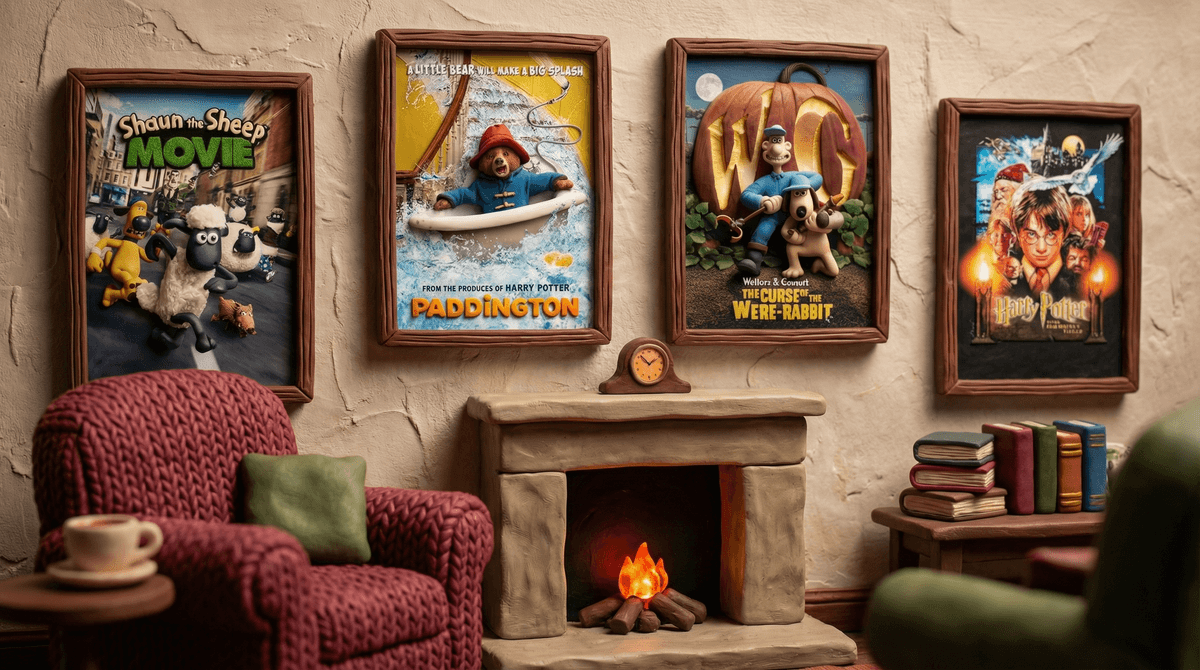
If your kids are used to the frantic energy of modern animation, this will feel like a different language. But if you’ve been exploring British kids movies, you know the vibe: it’s about the small victories of being a good neighbor. The "action" here is literally waving at a passing train. It sounds dull on paper, but the film builds a specific kind of loyalty between the characters and the audience that makes the final ten minutes hit with massive emotional weight.
The "Daddy, my Daddy" factor
There is a reason this film is a permanent fixture in the UK cultural canon. The ending is legendary. Even if your kids spent the middle hour of the movie asking when something was going to happen, the payoff is one of the most emotionally honest moments in cinema. It doesn't use manipulative music or over-the-top acting. It just captures the pure, raw relief of a family being made whole again.
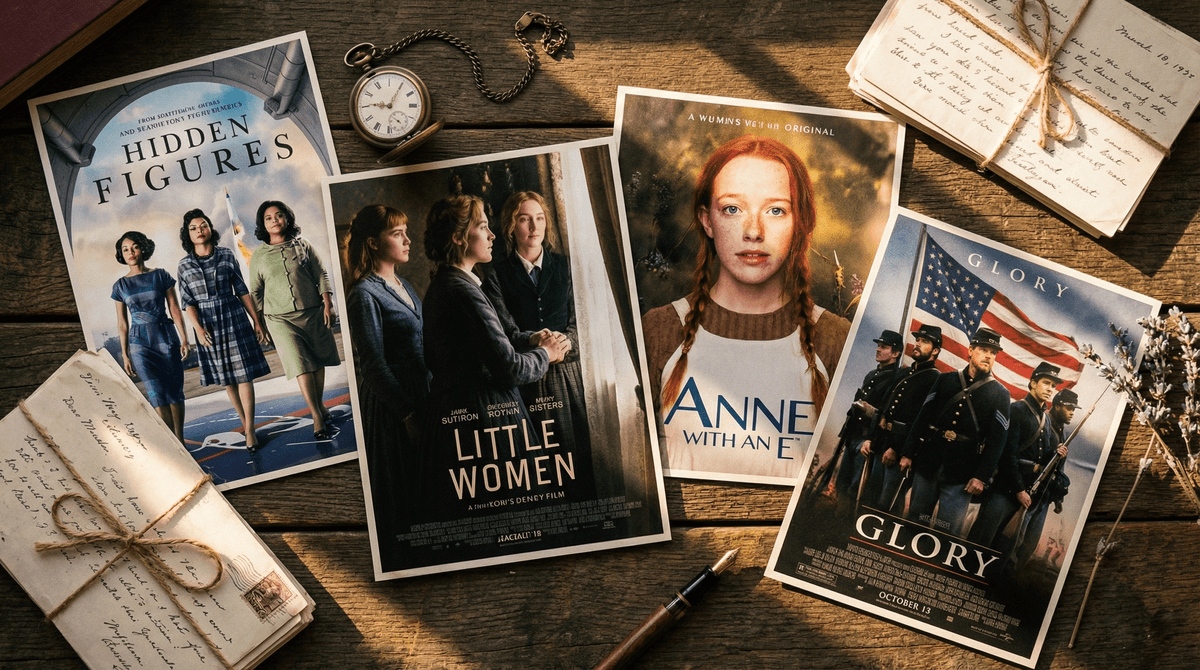
This isn't just a "nice" movie; it’s a study in resilience. The children aren't superheroes. They’re kids trying to make sense of a world that suddenly stopped making sense. It’s an excellent entry point if you want to introduce period pieces for families because the stakes, like losing a parent or trying to help a stranger, are things kids can actually grasp without needing a history degree.
How to sell it to a modern kid
Don't pitch this as a mystery or an adventure. Pitch it as a story about kids who have to figure things out on their own. The cinematography is beautiful, but it’s the chemistry between the three siblings that carries the weight. They bicker and support each other, acting like actual humans rather than precocious movie tropes.
If they’ve seen more recent adaptations or sequels, they might find this one "old-fashioned," but the 1970 version remains the definitive take for a reason. It has a soul that's hard to replicate. Just be prepared to explain why nobody just texted the dad to see where he went.