

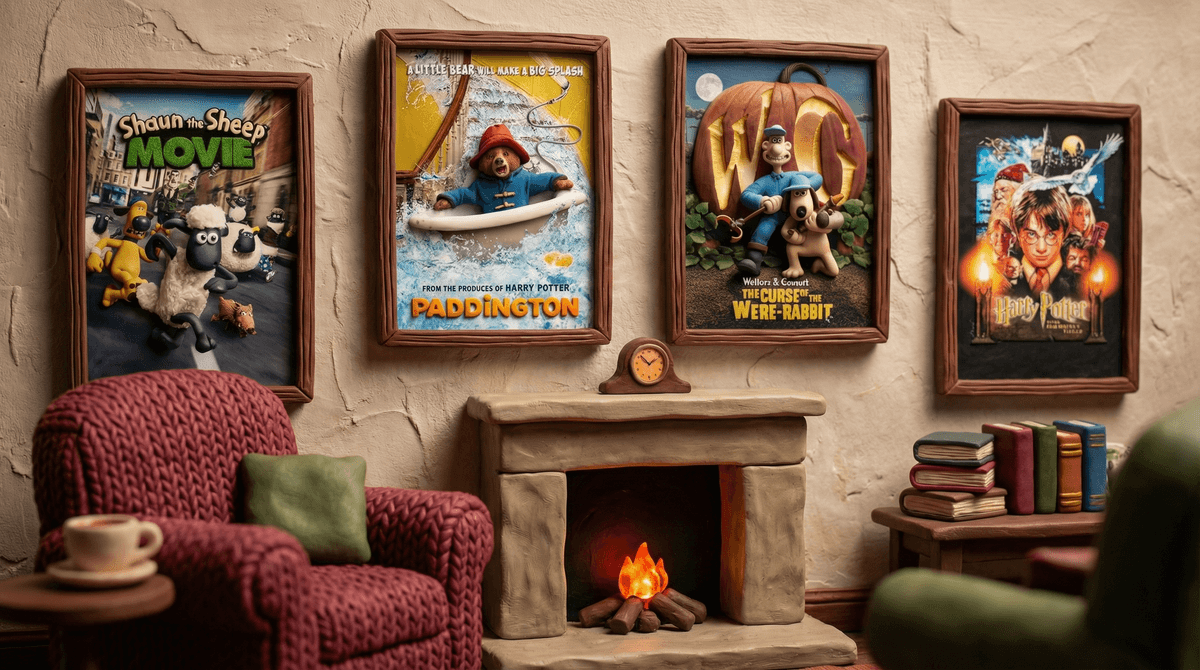
British family films have this particular magic that American blockbusters sometimes miss. They're cozy without being saccharine, funny without being crude, and they tackle real emotions without the Hollywood gloss. We're talking about films like Paddington, Wallace & Gromit, the Harry Potter series, Shaun the Sheep, and gems like The Railway Children or Nanny McPhee.
What sets these films apart isn't just the accents (though let's be honest, everything sounds better in British). It's the sensibility. British family films tend to trust kids with complexity—they don't shy away from loss, struggle, or moral ambiguity. A marmalade-loving bear can be a refugee story. A boy wizard's journey includes genuine grief and institutional failure. These aren't just "kids' movies"—they're films that happen to be appropriate for families.
They're grounded in real community values. British family films often center on neighborhoods, found families, and the idea that looking out for each other matters. Paddington is literally about a community rallying around an immigrant bear. Chicken Run is a prison escape film that's also about collective action and solidarity. These aren't preachy messages—they're baked into the storytelling.
The humor is genuinely clever. British comedy doesn't talk down to kids. The Wallace & Gromit films are full of visual gags and wordplay that work on multiple levels. Paddington 2 has jokes about prison reform and gentrification alongside slapstick marmalade chaos. Your 6-year-old laughs at the physical comedy; you're laughing at the social commentary.
They handle hard stuff. Loss, displacement, economic struggle, family breakdown—British family films don't pretend these things don't exist. The Railway Children deals with a father's imprisonment and financial hardship. The Harry Potter films progressively tackle authoritarianism, prejudice, and death. But they do it in ways that feel emotionally honest rather than traumatizing. Kids can handle more than we think—they just need it presented with care.
The production values are different. Not every British family film has a massive CGI budget, and honestly? That's part of the charm. The stop-motion work in Aardman films (Wallace & Gromit, Shaun the Sheep, Chicken Run) is painstaking and beautiful. The practical effects and real locations in films like Nanny McPhee feel tactile. There's a handmade quality that's refreshing in an age of Marvel-level CGI everything.
Ages 4-7: Start with the Aardman classics. Shaun the Sheep Movie has almost no dialogue, making it perfect for younger kids. Paddington is gentle enough for this age but sophisticated enough they won't outgrow it. The first Wallace & Gromit shorts are ideal—they're only 30 minutes.
Ages 8-11: This is prime Harry Potter territory (though note the films get progressively darker—you might want to space them out). Paddington 2 is genuinely one of the best family films ever made, full stop. Nanny McPhee works well here. The Railway Children (the 1970 version) is beautiful but slower-paced—better for kids who can handle period pieces.
Ages 12+: The later Harry Potter films, obviously. Chicken Run has some genuinely tense moments. Consider branching into slightly edgier British films like The Secret Garden adaptations or A Monster Calls (though that one is heavy—it's about grief and terminal illness, beautifully done but intense).
These films reward rewatching. Seriously, Paddington 2 gets better every time. You'll catch jokes you missed, notice visual details, appreciate the craft. This is the opposite of the disposable content your kids are consuming on YouTube. These are films worth owning.
They're conversation starters. After watching Paddington, you can talk about what it feels like to be new somewhere, how communities can be welcoming or hostile, why people leave their homes. After Chicken Run, you can discuss collective action and standing up to authority. The Harry Potter films open up endless discussions about prejudice, power, and moral courage. These aren't heavy-handed—the conversations emerge naturally.
The British sensibility around resilience is real. There's a particular "keep calm and carry on" energy in these films that's different from American optimism. Characters face genuine hardship and keep going. They're not always rewarded immediately. Things don't always work out perfectly. This is actually valuable for kids to see—resilience isn't about toxic positivity, it's about persistence in the face of difficulty.
Some cultural context helps. Depending on where you live, your kids might not get all the references. British class dynamics, boarding school culture, the specifics of British neighborhoods—these might need a bit of explanation. But that's also an opportunity. Talk about why British schools have houses , or what a "council estate" is, or why tea is such a big deal.
British family films offer something increasingly rare: media that treats both kids and parents as intelligent viewers. They're funny without being mean, emotional without being manipulative, and they trust that families can handle complexity together.
In a media landscape dominated by algorithm-driven YouTube content and franchise blockbusters, these films feel like a breath of fresh air. They're the cinematic equivalent of a good chapter book—substantive, rewarding, worth your time.
Start with Paddington if you haven't seen it. I'm serious. It's a masterclass in what family films can be. Then work your way through the Aardman catalog. If your kids are ready, the Harry Potter films are a legitimate cultural phenomenon for good reason.
And here's the thing: these films don't just entertain—they shape how kids think about community, resilience, and humor. They model a particular kind of emotional intelligence and social awareness. That's not nothing in 2026.
Make it a family film series. Pick one Friday a month for "British Film Night." Make it special—maybe you get fancy biscuits or make fish and chips. Create a ritual around it.
Follow up with related content. If your kids love Paddington, read the original books. If they're into Wallace & Gromit, show them how stop-motion animation works. If Harry Potter clicks, the book series is even richer.
Use Screenwise to explore more. Check out our guide to cozy family films or alternatives to typical animated movies. The rabbit hole of quality family media goes deep.
And if you want to understand what makes these films work from a filmmaking perspective, Compare British vs. American approaches to family films—it's fascinating stuff.