The 16-year-old perspective
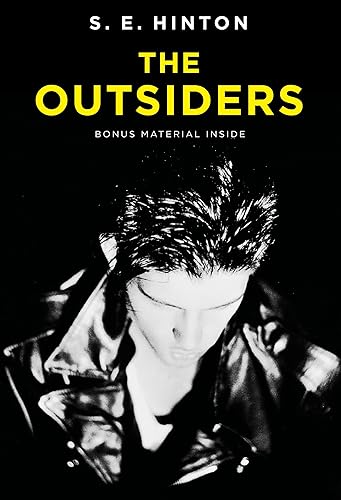
Most required reading in middle school feels like it was written by a committee of well-meaning librarians. The Outsiders feels like a transmission from the front lines of high school. S.E. Hinton was famously 16 when she wrote this, and that age gap—or lack thereof—is why the book still moves 25 million copies. She wasn't looking back at adolescence with the hazy lens of nostalgia; she was stuck in the middle of it.
You can feel that lack of adult distance in how the Greasers talk and how they hurt. When Ponyboy and Johnny are hiding out in that church, the boredom and the fear feel legitimate, not like plot points designed to teach a lesson. If your kid is used to the polished, high-stakes dystopian drama of modern YA, they might find the 1960s setting quaint at first. But once the first switchblade comes out, they realize the stakes are exactly the same.
The blueprint for the "us vs. them" story
If your kid has spent any time in the Hunger Games or Red Rising universes, they’ve already seen the DNA of this book. The Socs and the Greasers are the original blueprint for the class warfare that dominates modern teen fiction.
What makes this version stickier than most is the realization that the "villains" aren't some faceless government or an evil overlord. They’re just the kids from the other side of town with better cars and more money. The moment when Ponyboy realizes that "things are rough all over" is a pivotal shift in perspective. It moves the story from a simple gang war to a meditation on how everyone, regardless of their zip code, is just trying to survive their own version of a bad day.
The friction of the era
There is a specific kind of "tough guy" posturing here that might feel foreign to a kid raised on TikTok. The constant smoking, the obsession with hair grease, and the hyper-fixation on "rumbles" are very much of their time. However, the emotional vulnerability underneath that posturing is what makes the book timeless.
Johnny Cade is the heart of the story, and his arc is a heavy lift for younger readers. It’s not just the physical violence he endures; it’s the sense of being disposable to the world around him. This is where the book earns its "gritty" reputation. It doesn't offer a clean, happy ending where everyone shakes hands. It offers a "stay gold" mantra that serves as a plea to remain human in a world that wants to harden you.
Where to go after the gold
Once a kid finishes this, they usually want more of that specific, moody atmosphere. If they were drawn to the brotherhood of the Greasers but are ready for something even more experimental and visually driven, you should point them toward Rumble Fish: The Gritty, Artsy Older Brother of The Outsiders. It’s Hinton’s more "grown-up" take on the same themes of loyalty and the trap of a reputation.
This book is often the first time a young reader realizes that a story can be devastating and beautiful at the same time. It’s a gateway drug to serious literature. Don't be surprised if they want to talk about the ending for a week—it’s designed to linger.