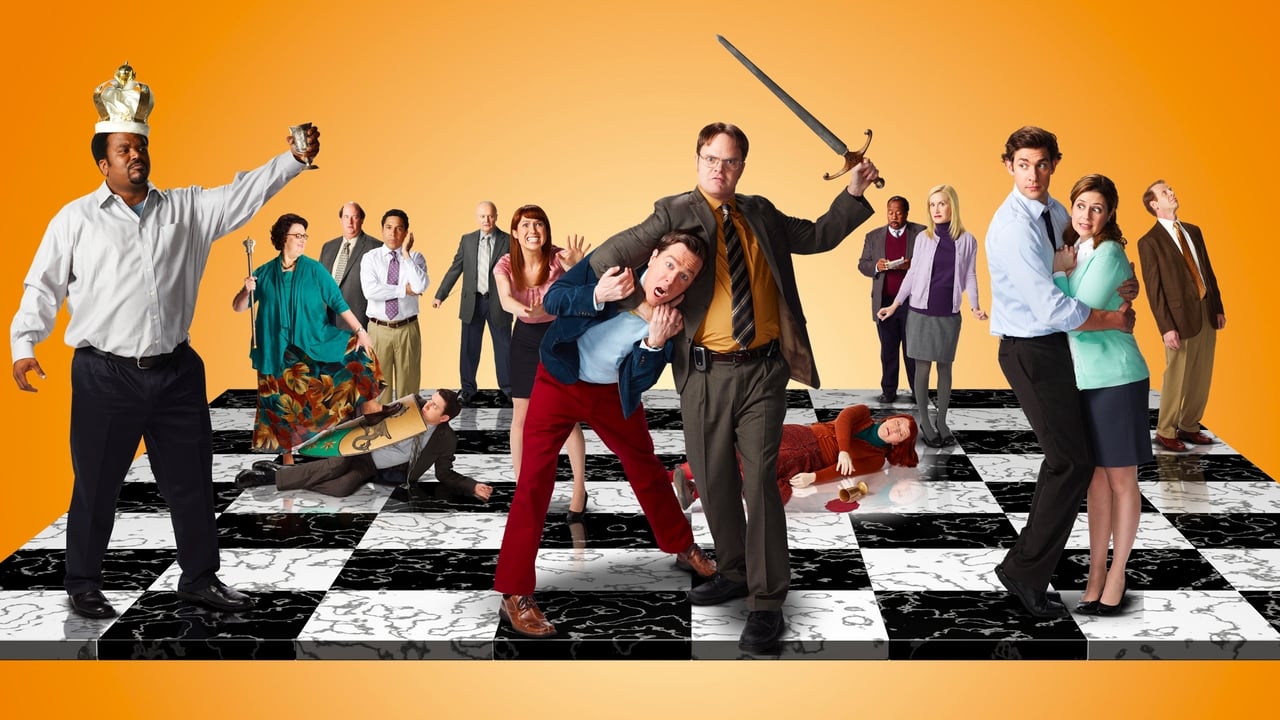
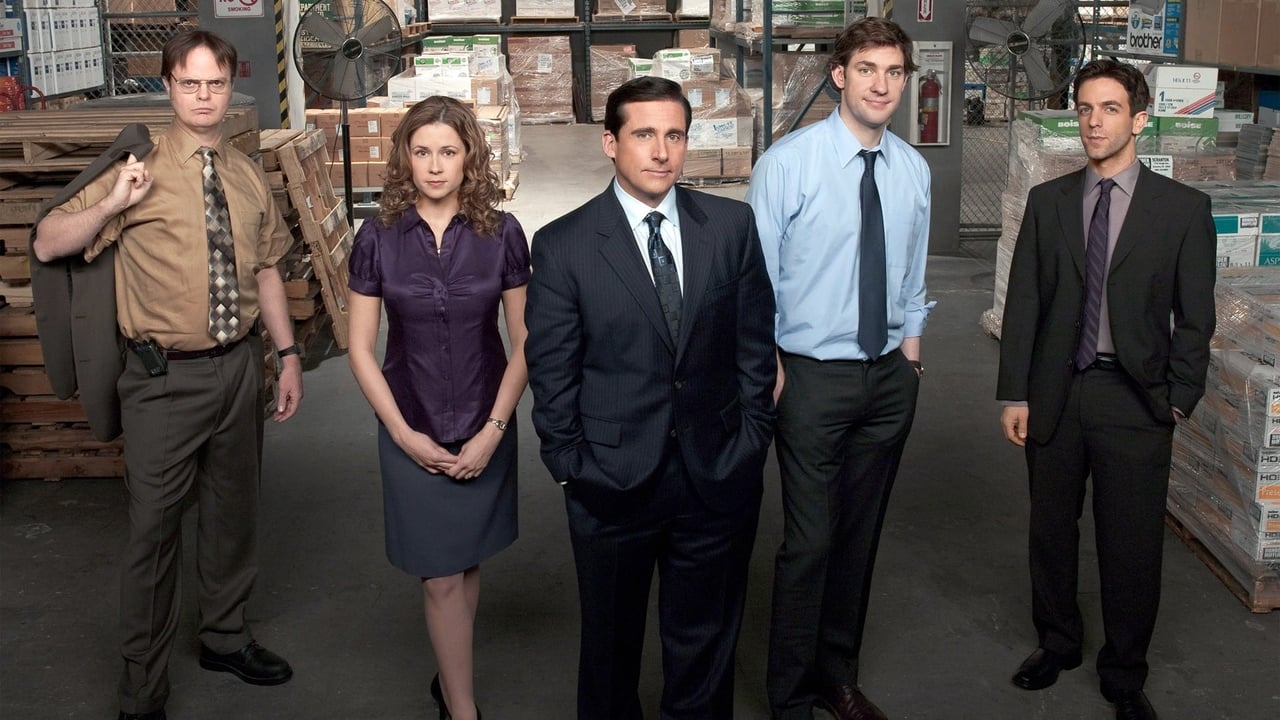
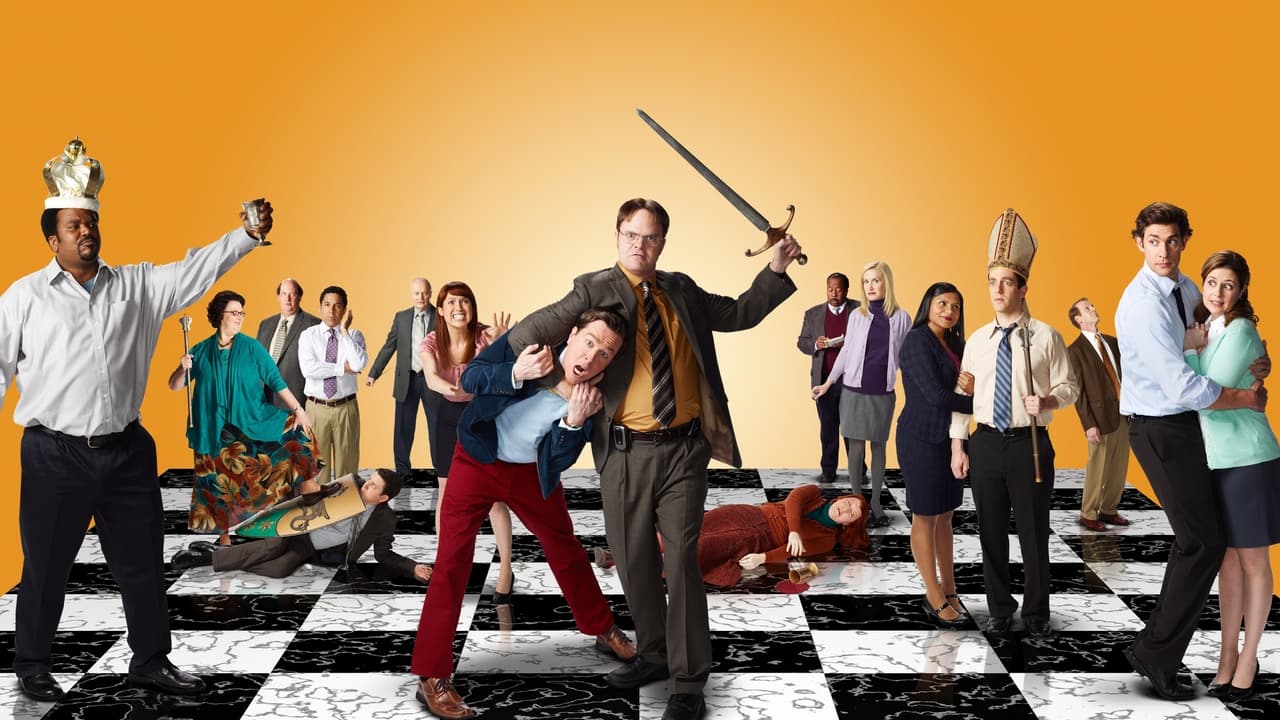
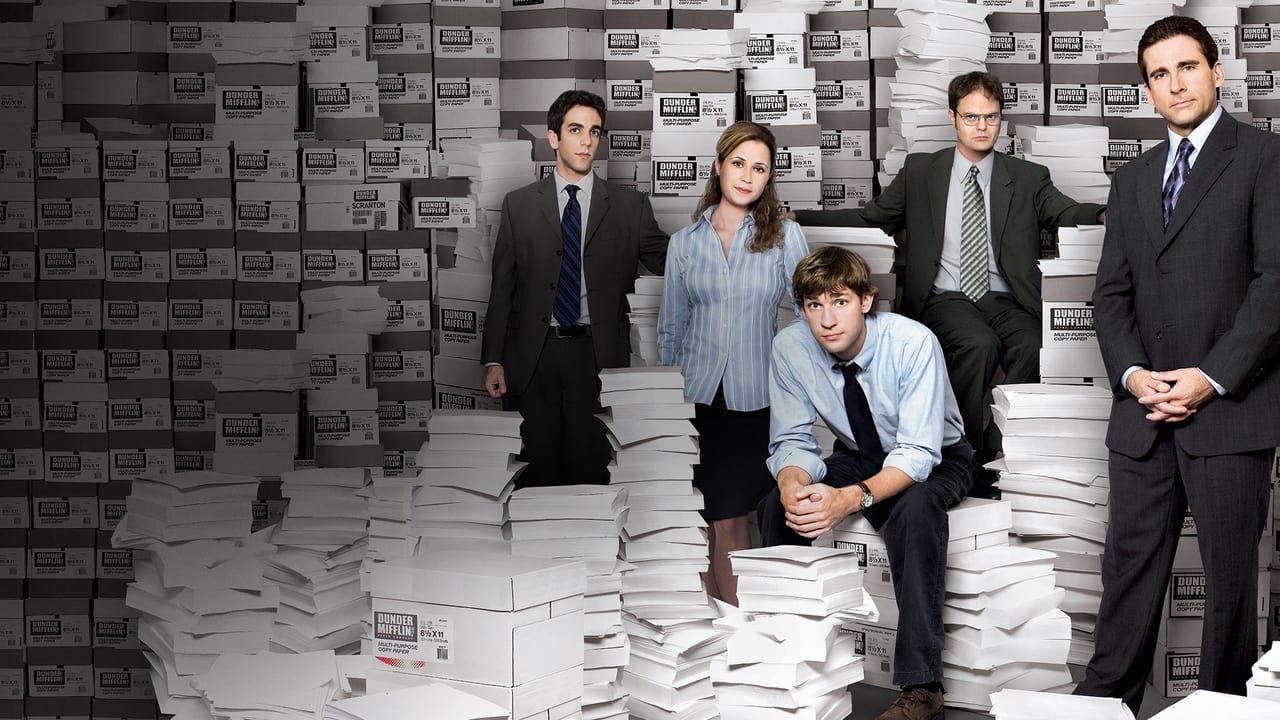
The Mockumentary That Became Comfort Food
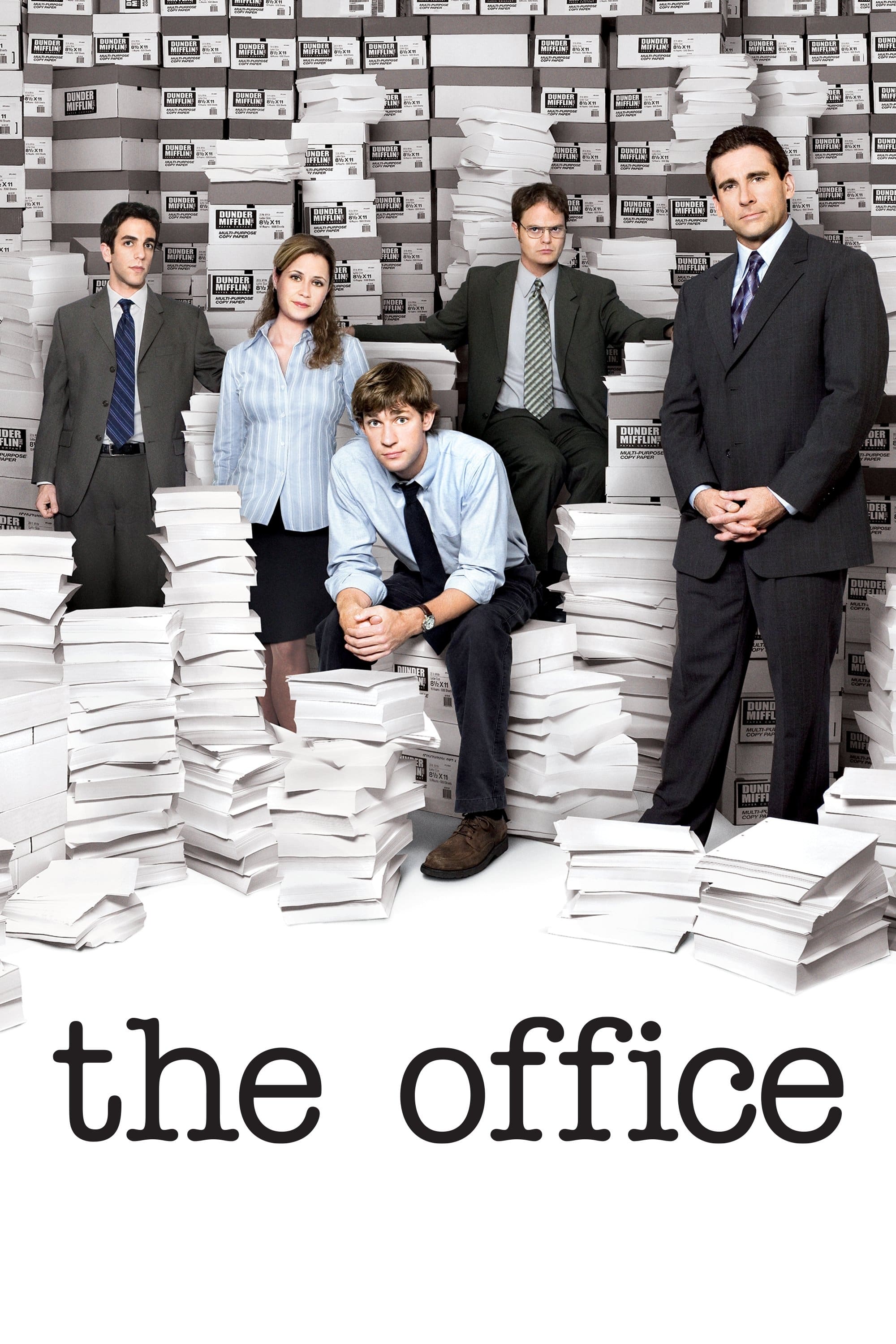
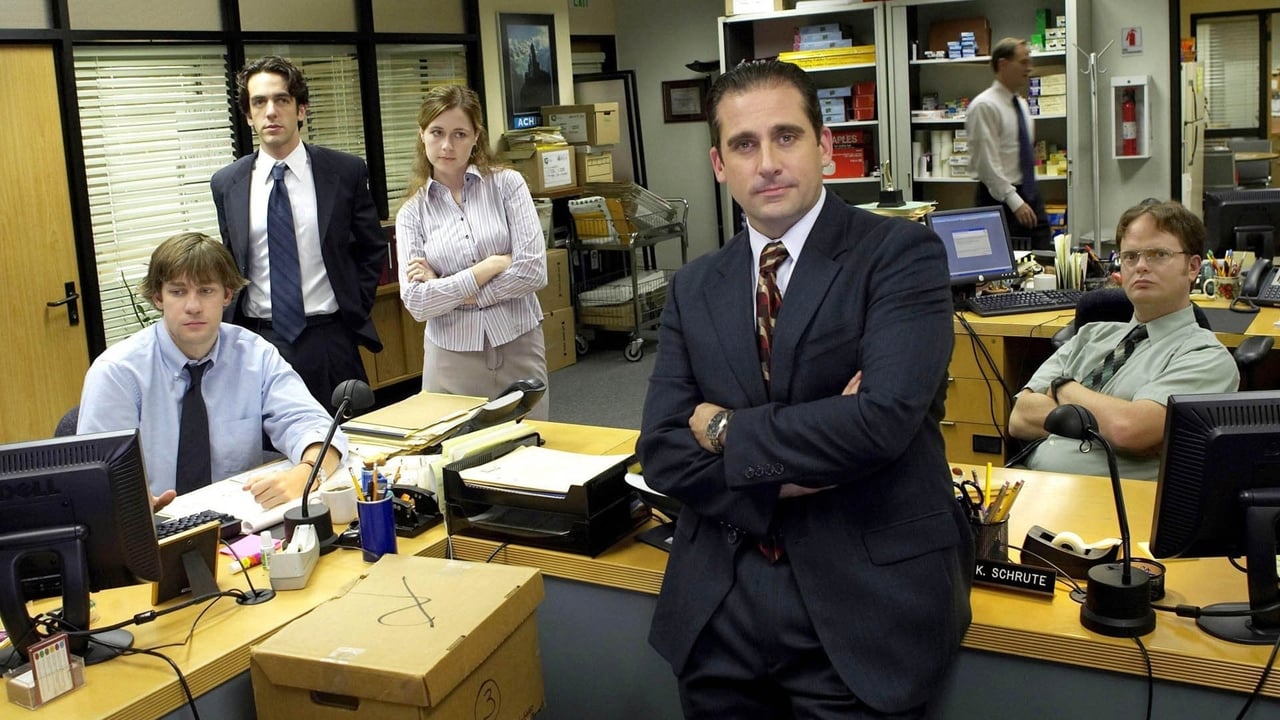
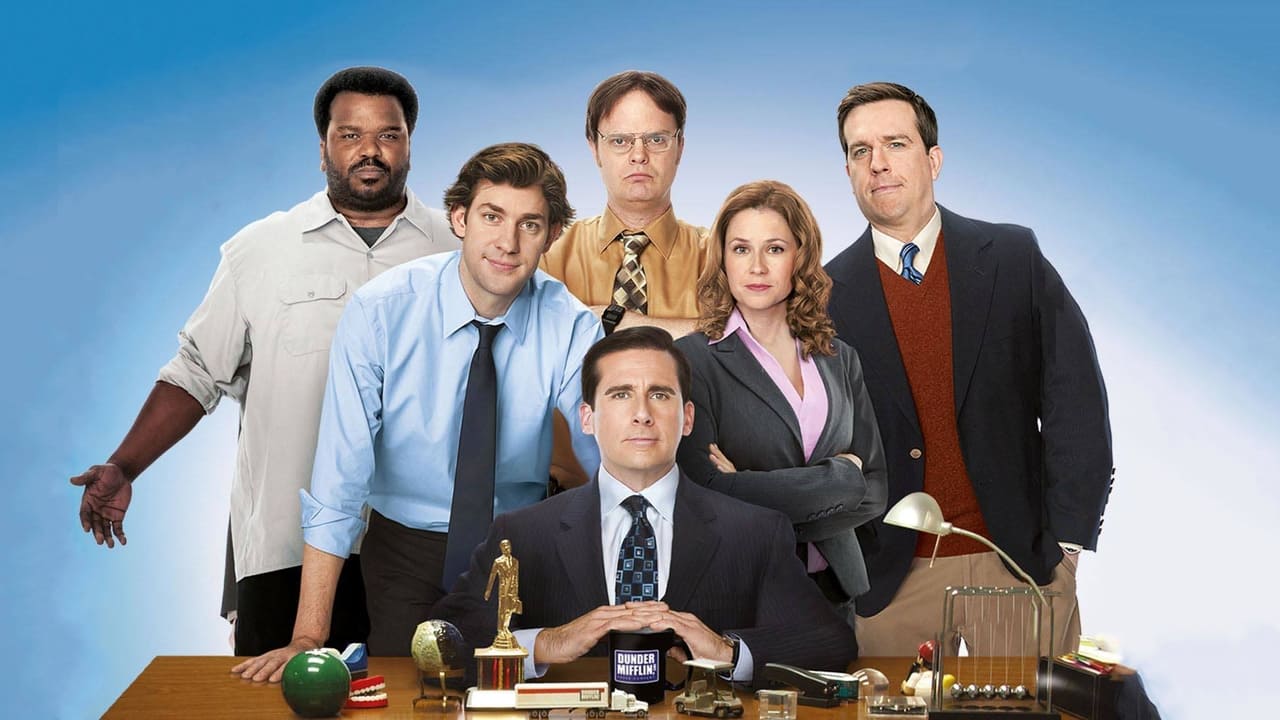
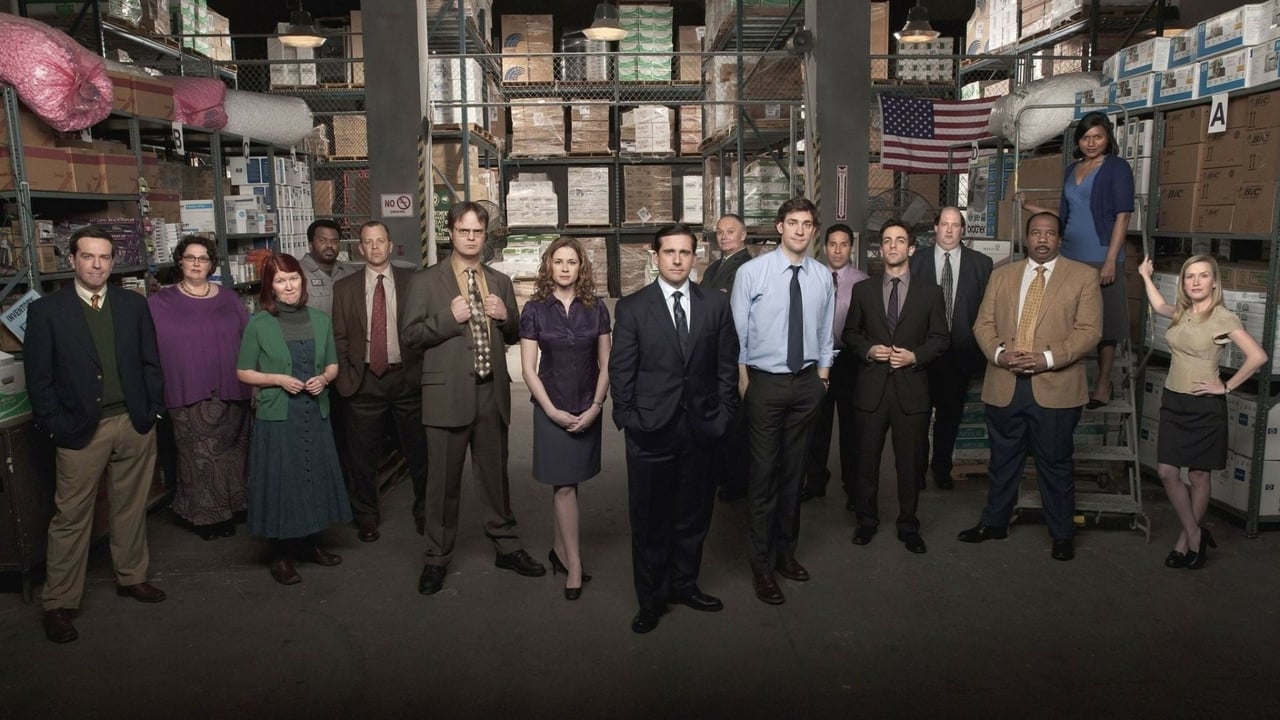
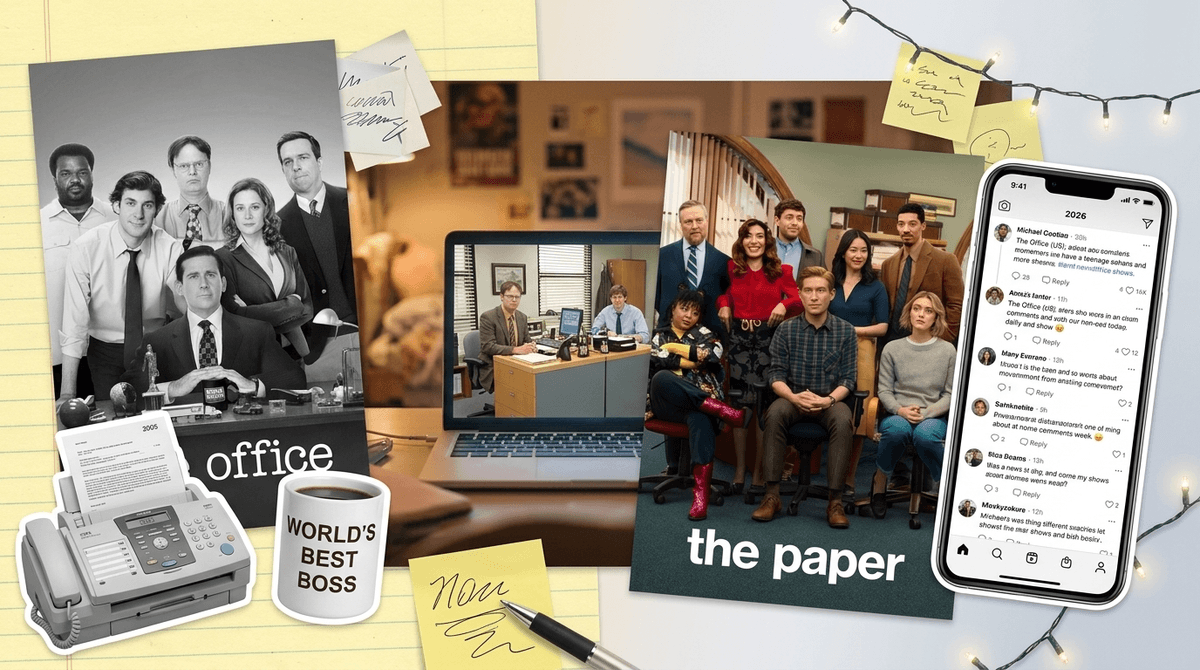
When Greg Daniels adapted Ricky Gervais and Stephen Merchant's bleak British sitcom for American network television in 2005, few expected it to outlive its parent show, let alone become the defining streaming background show of the early 21st century. The pilot copied the UK script almost line-for-line, resulting in a Michael Scott who was too mean and an office that was too grim. Season 2 adjusted the dial: Steve Carell softened the edges, the writers gave the ensemble distinct eccentricities, and the documentary camera became an active participant in the room.
For a 12- or 13-year-old viewer, The Office works because it bridges the gap between cartoonish physical comedy and adult situational writing. Dwight Schrute cutting the face off a CPR dummy in Stress Relief or Kevin dropping his chili on the carpet delivers pure slapstick. Meanwhile, the unspoken tension between Jim and Pam across the early seasons demands emotional maturity and patience.
Surviving the Cringe Factor
The biggest hurdle for modern kids is rarely the mild language or the innuendo. It is the raw, excruciating cringe. Episodes like Dinner Party or Scott's Tots generate so much social discomfort that sensitive kids will literally leave the room or bury their faces in a sofa cushion. That visceral reaction is actually a good sign: it means their social radar is functional.
If you are starting the show with a younger teen, keep two things in mind:
- Season 1 is bumpy. It is only six episodes long, but Michael is considerably more grating and offensive than he becomes later. If Diversity Day feels like too much, jump straight to Season 2's opener, The Dundies.
- Talk about the pranks. Jim encasing Dwight's stapler in Jell-O or moving his desk into the men's room is television comedy gold, but the power dynamic matters. It is worth pointing out that in a normal classroom or workplace, sustained targeting of an eccentric peer is just harassment, even if the victim is insufferable.
The show loses significant steam in Seasons 8 and 9 after Carell's departure, but the core run remains some of the smartest, warmest ensemble comedy ever put on television.