The New York Times Games is the ultimate rebuttal to the idea that all apps are 'rotting kids' brains.' Since the acquisition of Wordle a few years back, the Times has built a suite of puzzles that are actually worth the subscription fee. Unlike most 'educational' games that feel like homework, these are genuinely addictive in a way that feels productive.
The Wordle Effect
Wordle remains the gateway drug. It's a perfect five-minute ritual. For families, it’s a shared language. You’ll see kids who wouldn’t touch a dictionary voluntarily suddenly debating the probability of a double-letter vowel. It’s low-stakes but high-engagement.
Beyond the Grid
While the Crossword is the legacy star, Connections and Strands are where the real cognitive magic happens for the younger set. They require lateral thinking—the ability to see how 'Cracker,' 'Fire,' 'Safe,' and 'Nut' all belong together. It’s a workout for the prefrontal cortex that doesn’t feel like a drill.
The 2026 Social Pivot
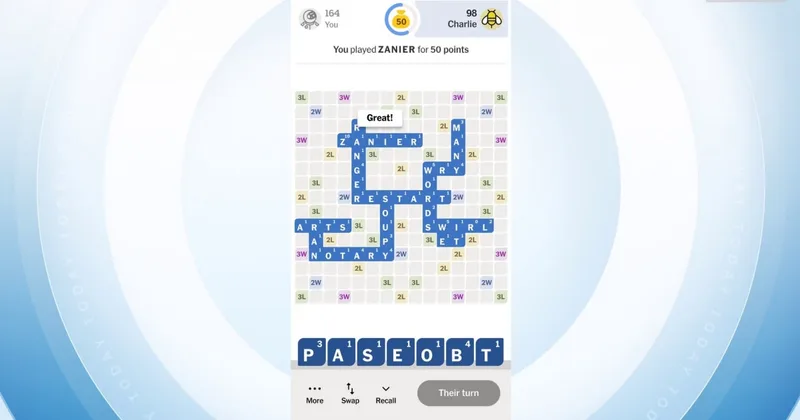
With the launch of Crossplay, the Times is finally leaning into what families have been doing anyway: playing together. By creating a dedicated space for co-op puzzling, they’re providing a safe alternative to the high-pressure social environments of Roblox or Discord. It’s social gaming for people who actually want to use their brains rather than just their reflexes.