Our reviews and ratings are 100% unbiased. Screenwise is a Bookshop.org affiliate and an Amazon Associate, so if you buy a book through one of our links, we may earn a commission. Bookshop.org purchases also support independent bookstores.
Screenwise Verdict
This is one of those picture books that does exactly what it sets out to do: help kids understand what it feels like to be the outsider, and why our differences—including our names—are worth celebrating.
Unhei's anxiety is real and relatable, but the resolution is warm without being saccharine. The classmates aren't mean; they're curious and ultimately supportive. The story trusts kids to understand nuance: that wanting to fit in is normal, but that you don't have to erase yourself to belong.
At 20+ years old, the book still feels fresh and relevant—maybe even more so as classrooms become increasingly diverse. The illustrations are lovely, the pacing is perfect for read-alouds, and the 4.8 Amazon rating backs up what parent reviews confirm: this one lands with families. A solid, enriching choice that belongs on elementary school and home bookshelves.
Age Fit
Ideal for ages 4-9, especially preschool through early elementary. Perfect for classroom discussions about diversity and inclusion. Older kids (up to 11-12) with immigrant backgrounds or who've moved schools might still connect deeply with Unhei's story.
WISE Breakdown
Wholesome
92
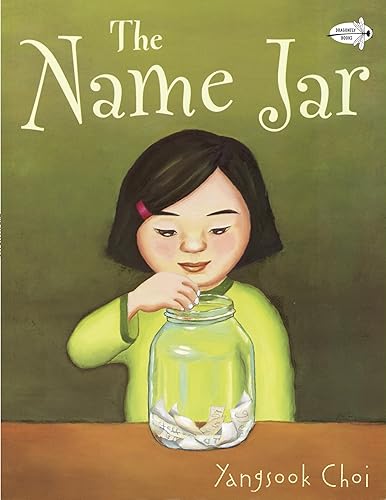
Models genuine kindness through peer friendship and family support. Unhei's journey from anxiety to self-acceptance is emotionally healthy and age-appropriate. The classmates' curiosity (filling a jar with name suggestions) is portrayed as well-meaning, and the resolution celebrates cultural pride without preaching. Warm, gentle pacing perfect for read-alouds.
Imaginative
78
The central metaphor of choosing a name from a jar is creative and memorable. Choi's illustrations bring Korean culture to life visually. The story invites kids to think about identity, names, and what makes them special—sparking conversations about their own names and heritage. Not wildly inventive in structure, but the cultural specificity and the 'name jar' concept itself are distinctive.
Safe
98
Completely safe for young readers. No violence, scary content, or mature themes. The emotional tension (anxiety about fitting in) is relatable and age-appropriate. The story handles cultural difference with sensitivity and respect. No surprise content whatsoever—this is as safe as picture books get.
Enriching
88
Strong empathy-builder for kids navigating cultural identity, immigration experiences, or just being the new kid. Teaches that differences are valuable and that you don't need to hide who you are to make friends. The Korean cultural elements (hangul, Korean food references) provide authentic exposure. Meaningful without being heavy-handed. High 4.8 Amazon rating suggests it resonates with families.
Parent Info
✓
Why It Might Be Great
Authentic, empathetic portrait of the new-kid-at-school experience, especially for immigrant families
Celebrates cultural identity without being preachy—Unhei's pride in her Korean name feels earned
The 'name jar' is a clever, memorable device that kids love talking about
Beautiful illustrations that introduce Korean language and culture naturally
High emotional intelligence: models how good friends show curiosity and respect, not just tolerance
⚠
What to Watch For
Some kids might feel the anxiety of not fitting in—perfect opportunity to talk about times they've felt different or worried about being accepted
The book is gentle and affirming, but the core tension (feeling like you need to change yourself) might resonate deeply with sensitive kids
Conversation Starters
"What does your name mean? Do you know why your parents chose it?"
"Have you ever felt nervous about being different from other kids? What helped you feel better?"
"If you could put names in a jar for Unhei, what would you suggest and why?"
"What do you think makes a name special or important?"