The STEM book that isn't precious
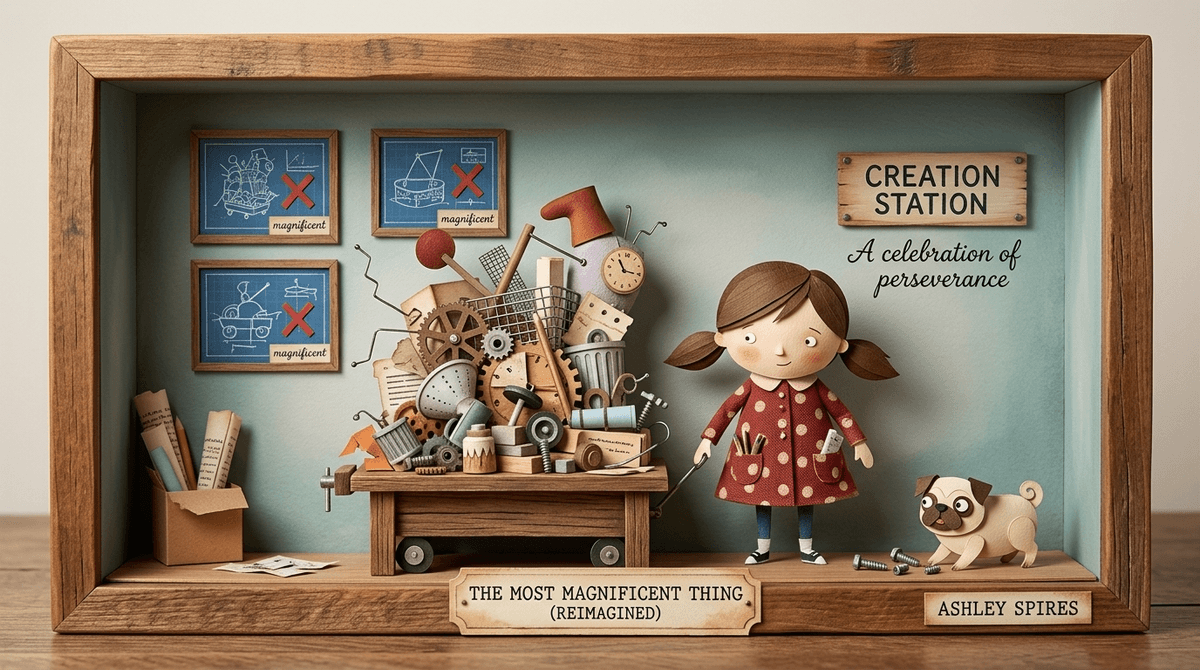
Most STEM-focused books for the under-8 crowd feel like sanitized recruitment ads for NASA. They focus on the "Aha!" moment and the glory of the final invention. The Most Magnificent Thing is different because it focuses on the grime. The girl isn't a "scientist" in a lab coat; she's a tinkerer with a pile of junk and a dog that’s mostly there for the snacks.
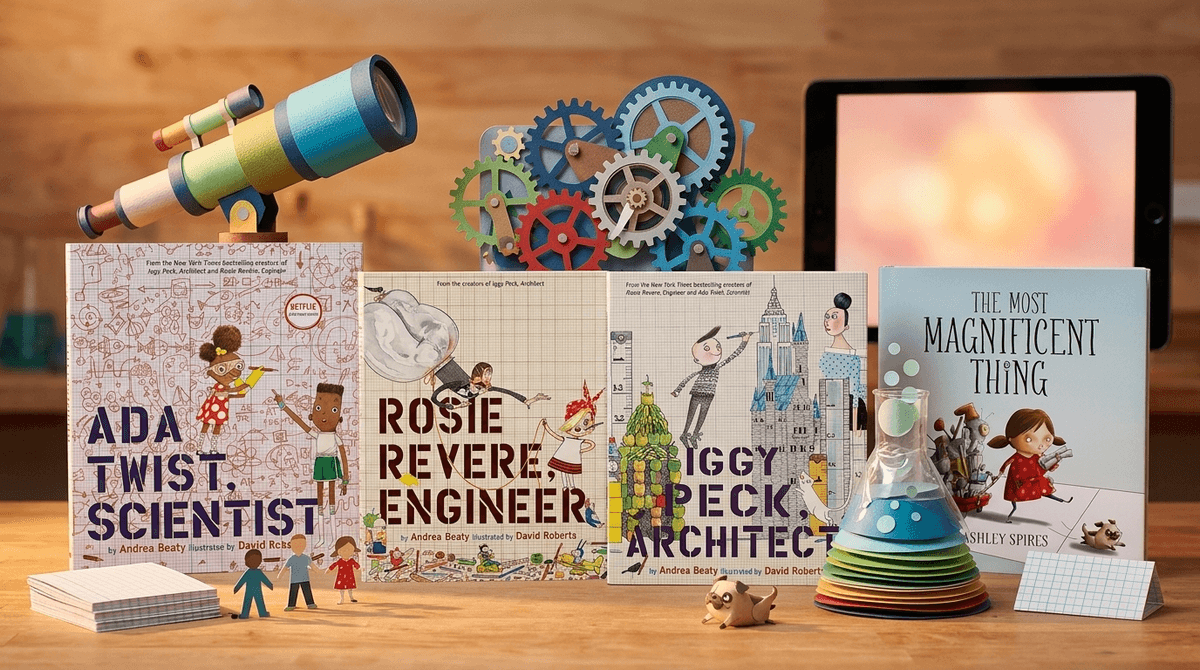
If you’ve spent time looking at the best STEM books for preschoolers, you know the "Ada Twist" vibe is usually about curiosity and asking "why." This book is about execution, which is a much messier, more frustrating beast. It’s less about the theory of how things work and more about the reality of how they break.
Normalizing the "Rage Quit"
The pivot point of the story is when the girl gets so frustrated she actually explodes. She doesn't just sigh or look pensive; she gets angry. For a parent, this is the most useful part of the book. We spend so much time telling kids to "calm down," but Ashley Spires shows that the anger is a natural byproduct of caring about your work.
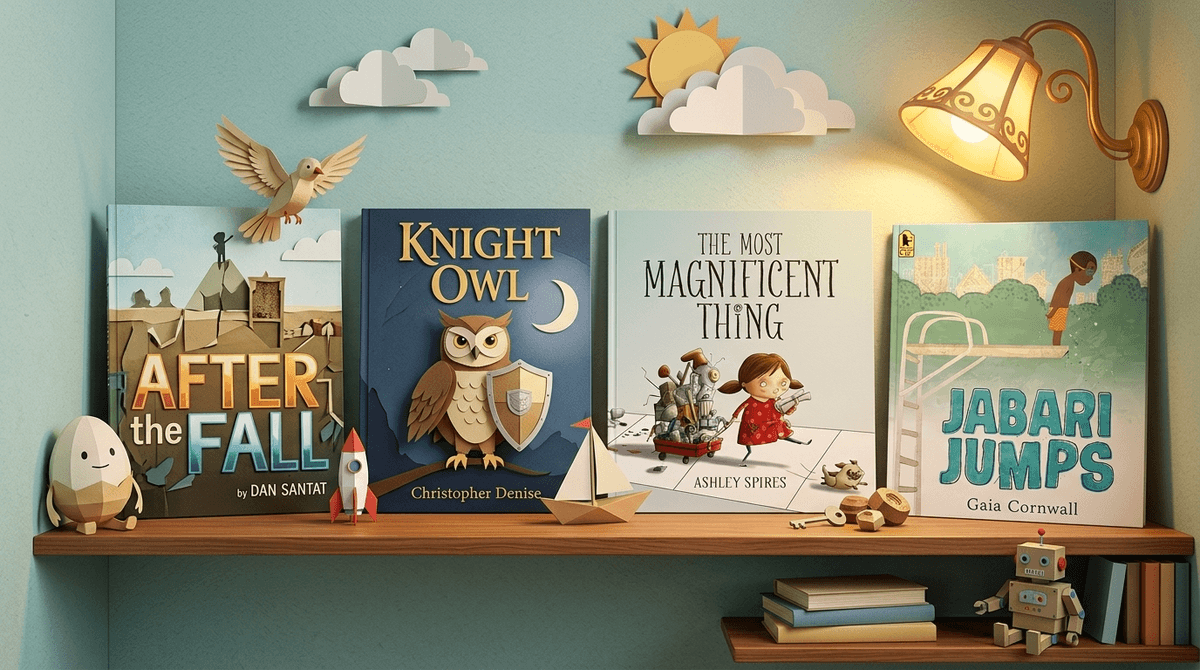
The dog’s suggestion of a walk isn't a punishment or a "time out"—it’s a reset. It’s a great companion piece to other titles in the resilience reading list because it treats emotional regulation as a professional tool for success, not just a way to be a "good kid." It teaches that walking away is often the most productive part of the creative process.
From the page to the living room floor
This book works best when you use it as a permission slip for building creative thinking without apps. Instead of buying a kit with a 50-step manual where the "right" answer is predetermined, give your kid a roll of masking tape and a recycling bin.
When they inevitably hit a wall—because the tape won't hold the cardboard wings or the "robot" won't stand up—you can reference the "magnificent thing." The girl’s final product isn't actually what she set out to make; it’s a compromise that works. That’s a massive lesson for kids who think anything less than a 1:1 replica of the LEGO box art is a failure.
The illustrations are clean but detailed enough that you can actually see the "failures" piled up in the background. It makes the "magnificent" label feel earned. It’s a 4.8-star Amazon favorite for a reason: it’s relatable to anyone who has ever tried to build something and realized that their hands can't quite keep up with their imagination yet.