The "Gods Must Be Messy" Hook
The central conceit of The Mighty Ones is its strongest asset: a group of tiny backyard inhabitants—a twig, a pebble, a leaf, and a strawberry—worshiping the "gods" who live in the house. The twist is that these gods are just messy, unkempt humans who probably haven't mowed the lawn in three years. It’s a clever bit of world-building that turns a discarded soda can or a garden hose into a mythological event.
If your kid has ever spent twenty minutes building a "fairy house" out of sticks or narrating the life of a beetle, they’ll lock into this immediately. It taps into that specific childhood frequency where the mundane corners of a yard feel like an infinite frontier. However, while the premise suggests a sense of wonder, the execution is much more interested in chaos.
Slapstick as a Second Language
Don't come here looking for the quiet, contemplative nature of a Studio Ghibli film. This show operates at a high-decibel, high-impact frequency. The characters don't just disagree; they collide. The humor relies on a relentless cycle of slapstick violence and bickering that feels more like the "classic" era of animation than the modern trend of emotionally intelligent programming.
Parents often find themselves divided on this. If you’re trying to move away from "mean" humor or physical aggression in your household, this show might feel like a step backward. But if you’re looking for something that can actually bridge the gap between a seven-year-old and a cynical teenager, the absurdity hits the mark. It’s rare to find a show that captures a teenager’s attention without being "edgy," yet The Mighty Ones manages it through pure, unadulterated weirdness.
The Shared Laugh Strategy
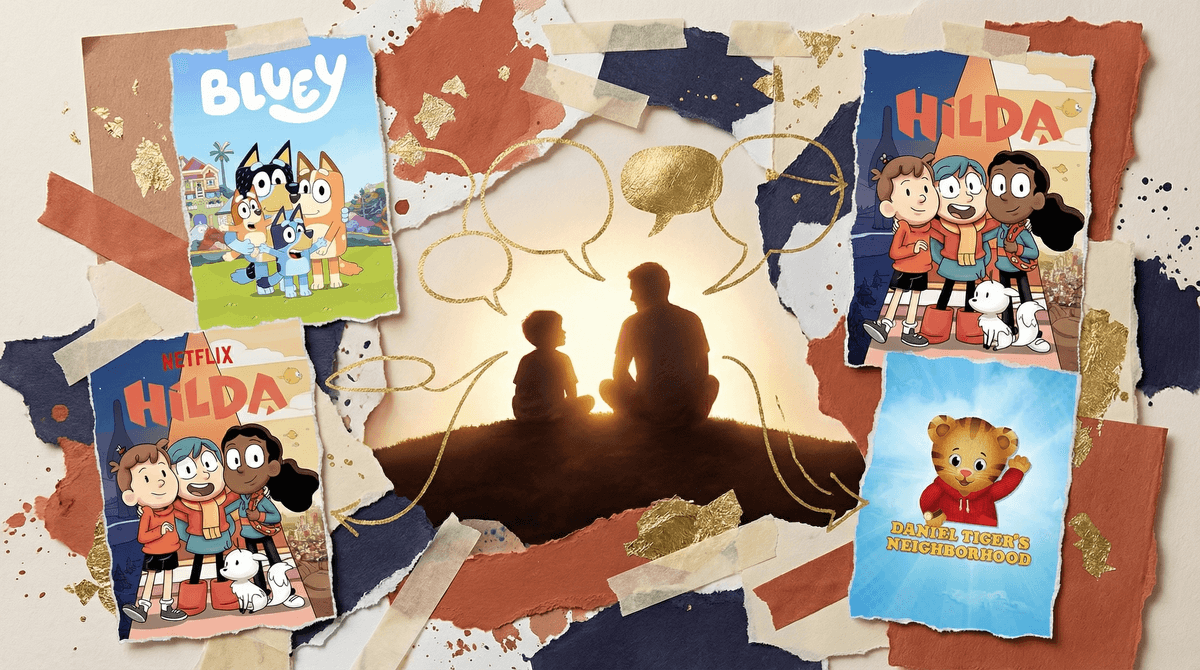
Because this show is essentially "junk food" for the brain, it’s best used as a communal palate cleanser rather than a solo babysitter. It doesn't offer the deep thematic resonance you'd find in shows that spark conversation, but it does provide a shared language of inside jokes.
The "Mighty Ones" themselves are flawed, loud, and frequently wrong about everything. Watching them navigate their misunderstandings can be a low-stakes way to talk about how people (and pebbles) can be friends even when they’re being annoying.
If you’re worried about the intensity or the "creep factor" of some modern animation, take a breath. This isn't the psychological dread you'd find in a parent's guide to Little Nightmares: The Lonely Ones. It’s just loud, colorful, and deeply silly. It’s the kind of show you put on when the family is tired, the weather is bad, and everyone just needs to see a strawberry get hit with a garden gnome. It’s not "important" television, but it is effective entertainment.