The anti-alpha manual
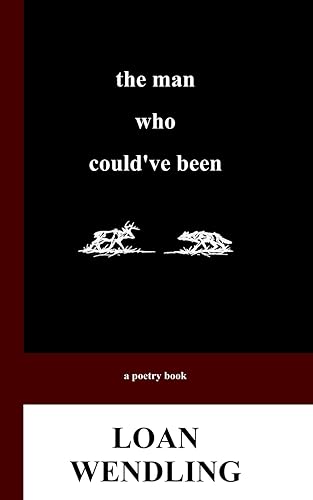
If you spend any time looking at what the algorithm feeds teenage boys, you know it’s a relentless stream of "grindset" culture and performative toughness. Loan Wendling has essentially written the exit ramp for that highway. The Man Who Could've Been doesn't try to compete with the loud, neon-soaked bravado of the internet. Instead, it sits in the quiet, uncomfortable spaces—factory floors, late-night shifts, and the heavy silence between fathers and sons.
This isn’t a book about becoming a "top G." It’s about the much harder work of becoming a human. Wendling explores the idea that many men are trained to be "necessary" (providers, workers, stoic pillars) long before they are taught how to be loved or how to express a single honest emotion. For a 14-year-old boy who is currently navigating the pressure to be "cool" or "hard," this book offers a different, much more sustainable blueprint.
The visual edge
If your kid usually treats a book like a chore, don't let the "poetry" label scare them off. Wendling’s style—honed in his previous projects like Tales and Ink and The Ashes—is punchy and visual. This isn't flowery, 19th-century verse that requires a decoder ring. It’s direct. The illustrations aren't just decorations; they are the connective tissue of the book.
The art does a lot of the heavy lifting for the "lonely" vibe the text describes. It makes the book feel more like a high-end graphic novel or an art zine than a traditional poetry collection. This is a huge win for kids with shorter attention spans who still want to engage with something that feels mature and "adult." It’s a physical object they might actually leave out on a desk rather than hiding it under a bed.
Dealing with the grit
There is a specific kind of blue-collar bleakness here that might catch some readers off guard. We’re talking about cigarettes, fluorescent lights, and the "same old hole" of generational stagnation. It isn't "gritty" for the sake of being edgy; it's reflecting a reality that a lot of families recognize but don't always talk about.
While some media geared toward men focuses on the high-stakes glamour of The Spy Who: This Is Not a Kid-Friendly Mission, Wendling is interested in the mundane heroism of just trying to be better than your father was. It’s about the decision to cry or to stay when your instinct is to run.
If your kid liked "The Crossover" or "Long Way Down"
If your teen responded well to Jason Reynolds or Kwame Alexander—authors who use verse to tell stories about the internal lives of young men—this is the natural next step as they get older. It’s heavier and more contemplative, but it hits that same "I see you" note.
The "friction" here isn't about content warnings or inappropriate scenes; it’s about the emotional weight. This is a "mood" book. It’s what you read when you’re feeling a bit alienated or when you’re starting to realize your parents are just flawed people. If you have a son who is a bit of a thinker, or one who is struggling with the transition from "kid" to "young man," this is a meaningful gift. Just don't expect them to want to talk about it immediately after they finish. Let it sit. The point of the book is that the story is still being written, and they’re the ones holding the pen.