The Banality of the "Bad Timeline"
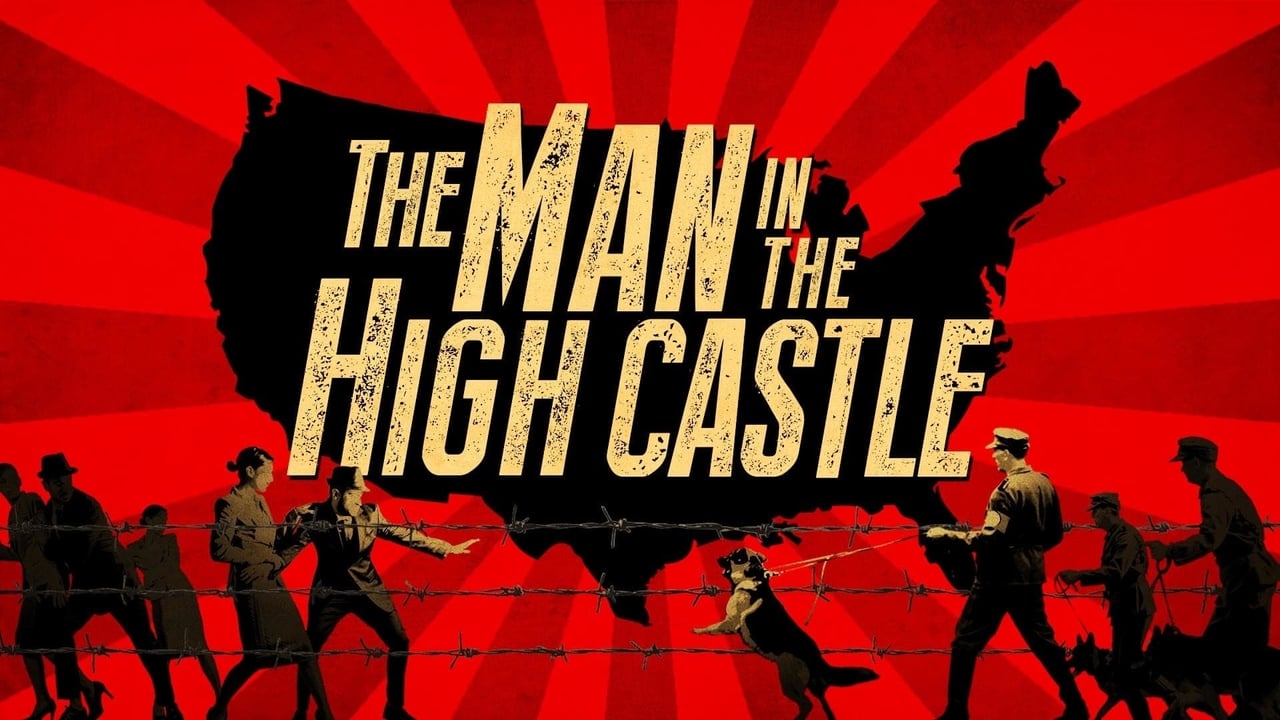
Most alternate history stories treat the "what if the Nazis won" trope like a comic book, but this show treats it like a bureaucratic nightmare. It’s not all explosions and resistance fighters; a lot of it is just people trying to have a nice breakfast while the world is literally rotting around them. The show excels at making the horrific feel mundane. You see a 1960s suburban kitchen that looks like it’s straight out of a vintage ad, but the neighbor is casually talking about the local "ash disposal" day.
It’s that specific brand of psychological friction that makes the show worth watching. It doesn't just ask "What if we lost?" It asks "How fast would we get used to it?" If you’re watching this with a teenager, that’s the real hook. It’s a deep dive into complicity. The show forces you to spend a lot of time with the people running the regime, and it’s deeply unsettling how human they are. You aren't just watching a villain twirl a mustache; you're watching a father try to protect his family within a system that is fundamentally broken.
The Philip K. Dick Pivot
If you go into this expecting a straightforward war drama, the back half of the series is going to throw you for a loop. Since it’s based on a Philip K. Dick novel, things eventually get weird. The central mystery involves a series of film canisters showing "our" world—the one where the Allies won.
This shifts the show from a geopolitical thriller into a high-concept sci-fi meditation on the multiverse. Some fans on Reddit felt this transition was a bit clunky, and honestly, they aren't entirely wrong. The middle seasons can feel like a slog as the show tries to balance the grounded political maneuvering in the "Greater Nazi Reich" with the more "out there" sci-fi elements. However, if your kid is into the "glitch in the matrix" vibe or shows that play with reality, this is exactly the kind of stuff that fuels a late-night binge.
The "If They Liked X" Comparison
Think of this as the grim, intellectual older sibling to something like The Man Who Fell to Earth or even The Handmaid’s Tale. It shares that same "systemic oppression as a setting" vibe. If they enjoyed the world-building of The Expanse but want something set on Earth, this hits those same notes of complex factions and shifting loyalties.
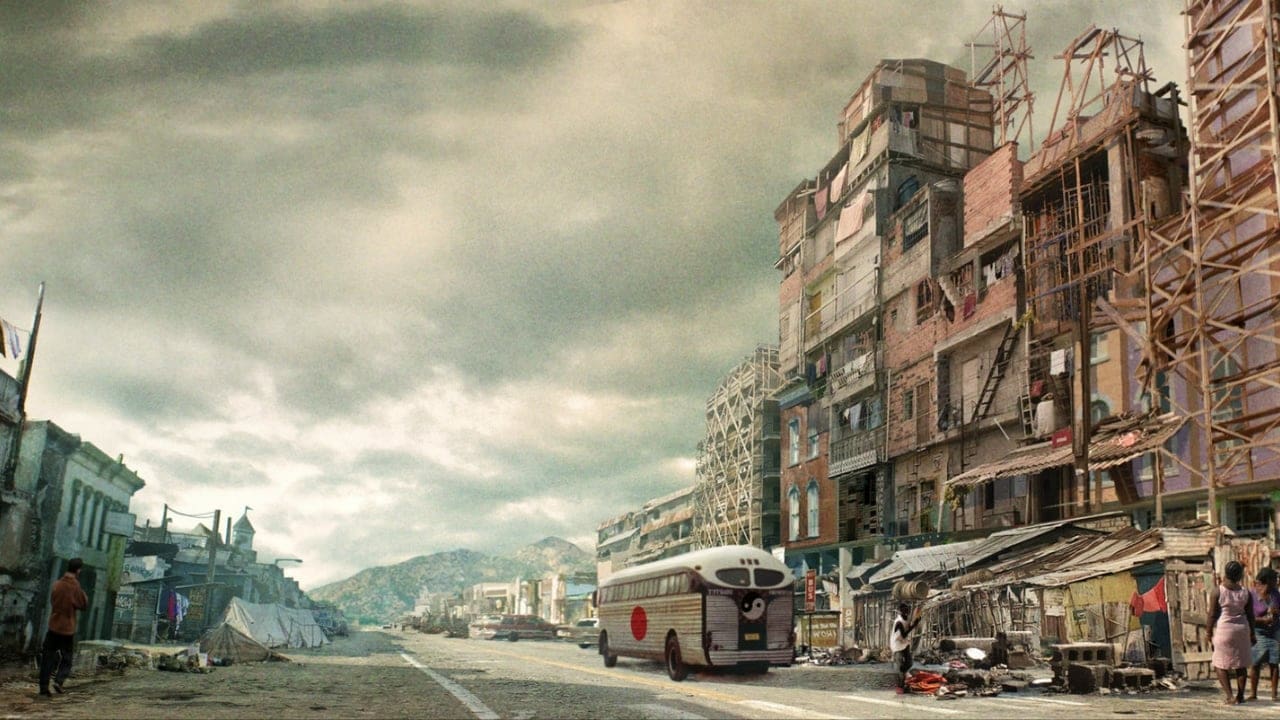
It’s also a great "next step" for a student who just finished a unit on WWII or the Cold War. It takes the facts they learned in school and applies a distorting lens to them. Just be prepared for the pacing. This isn't a weekend action flick. It’s a slow-burn commitment that rewards patience but definitely punishes anyone looking for a quick hit of adrenaline. The production design is the real star here—the way they’ve reimagined San Francisco and New York under occupation is genuinely stunning and worth the price of admission alone.
The Ending Friction
Without spoiling anything, the finale is a major point of contention among critics and the audience. While the show maintains a solid 84% on Rotten Tomatoes, the landing is definitely divisive. It leans heavily into the sci-fi elements, which might feel like a bit of a cop-out if you were more invested in the grounded political revolution. If you're the type of viewer who needs every loose end tied in a perfect bow, the final episodes might leave you shouting at the screen. But if you’re here for the atmosphere and the "what if" thought experiment, the journey is more important than the destination.