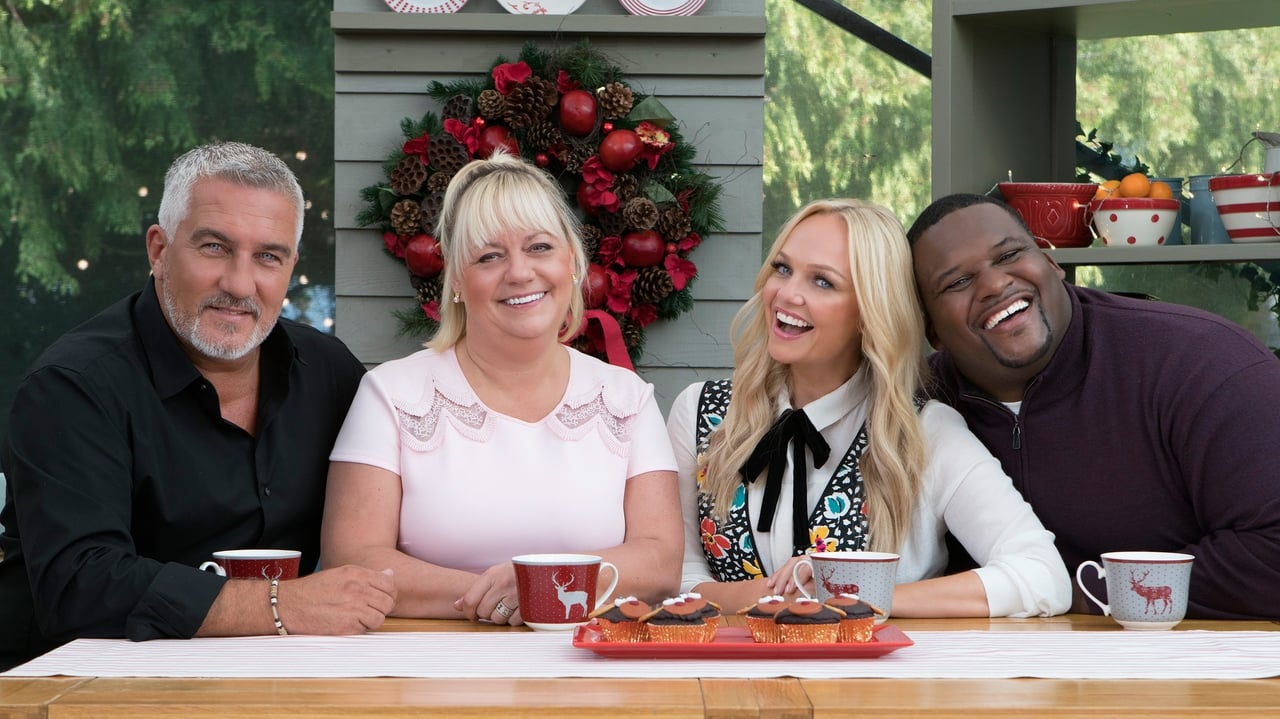
Most reality TV is built on the "I’m not here to make friends" trope. It’s a genre of backstabbing, manufactured beef, and dramatic music cues that suggest a soggy cake is a national tragedy. The Great American Baking Show rejects all of that. It is the rare competition where the contestants actually help each other carry a heavy tray or lend a hand when someone's frosting starts to melt. For a kid used to the high-decibel chaos of YouTube, this show feels like a reset button for their nervous system.
The "Nailed It" Graduation
If your kids grew up on Nailed It!, they are used to the comedy of failure. That show is great for a laugh, but it treats baking as a punchline. This show treats it as a craft. It’s the perfect follow-up for when a kid starts asking why the cake collapsed or how a baker managed to make bread look like a basket.
You’re trading the "epic fail" energy for something more aspirational. It turns the kitchen from a place where mess happens into a place where problems get solved. When a baker realizes their dough hasn't risen with ten minutes left on the clock, you aren't watching for the crash; you’re watching to see how they pivot. That’s a massive lesson in resilience that doesn't feel like a lecture.
Low-Stakes Tension
There is a specific kind of "safe" stress here. The clock is ticking, the judges are walking around with their hands behind their backs, and the chocolate isn't setting. It’s enough tension to keep a ten-year-old engaged, but it’s not the kind of "who will be fired?" anxiety that makes younger viewers hide behind a pillow.
The criticism from the judges is the secret sauce. In most American competitions, the judges are either cartoonishly mean or overly sugary. Here, the feedback is technical. They’ll tell a baker the bake is uneven or the flavor is muted, but they never attack the person. It’s a masterclass in how to give and receive a critique without losing your cool.
The Screen-to-Kitchen Pipeline
Warning: You cannot watch this show without snacks in the house. It is a 45-minute commercial for carbohydrates. However, it’s also the best motivator I’ve seen for getting kids to actually care about precision.
Baking is essentially a chemistry lab you can eat. When kids see a baker fail because they messed up a measurement or rushed a cooling process, the "boring" rules of a recipe suddenly make sense. If you’ve been trying to get your kid to help with meal prep or follow directions, use this show as your opening. Don't be surprised if they start asking for a kitchen scale or wanting to try a "technical challenge" on a Sunday afternoon.
Why it sticks the landing
The show works because it doesn't pander. It assumes the audience—including the kids—is smart enough to care about the difference between a puff pastry and a shortcrust. It’s quiet, it’s colorful, and it celebrates effort over ego. In a media landscape that usually rewards the loudest person in the room, watching the quietest person win because they made a really good pie is a vibe shift worth having.