The ultimate "smart" action movie
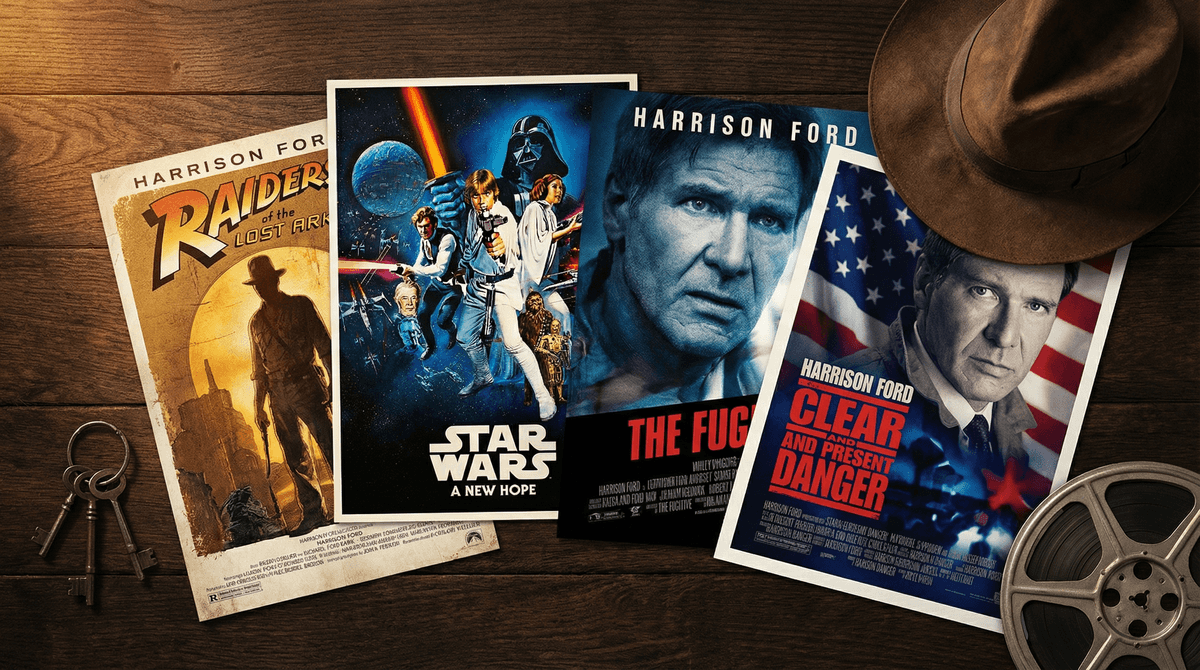
Most modern action movies rely on a "chosen one" or a super-soldier. The Fugitive is different because Richard Kimble is just a doctor who happens to be very good at his job. He doesn't out-punch the police; he out-thinks them. If you have a kid who is starting to find superhero tropes repetitive, this is the perfect pivot. It’s a masterclass in the best thriller films for families because the stakes feel personal and the solution requires actual detective work.
The movie treats the audience like they are as smart as the protagonist. Kimble uses medical knowledge to hide in plain sight and forensic clues to track down the real killer. It’s a procedural at heart, and watching the two sides play a high-stakes game of chess is why this movie hasn't aged a day since 1993.
Practical effects that still hit
We’re used to seeing entire cities leveled in CGI, but there is something visceral about the bus-and-train wreck in this movie that digital effects still can't quite replicate. Knowing that the production actually crashed a real train for that sequence adds a layer of weight to the scene. It’s loud, messy, and genuinely scary. For a teen used to the "clean" violence of a PG-13 blockbuster, the grit here is a revelation. It makes the danger feel like it has actual consequences.
The Harrison Ford evolution
If your kids know him primarily as the guy from the Harrison Ford adventure films guide—the charming rogue with a whip or a blaster—this is a great way to show them his range. He spends half the movie looking genuinely exhausted and terrified. He isn't a hero because he's a great fighter; he's a hero because he refuses to give up. He’s not looking for a fight; he’s looking for a pharmacy.
Why the "I don't care" moment matters
There is a famous exchange between Kimble and the Marshal that perfectly captures the film's moral complexity. It’s not a story about "good guys" vs. "bad guys" in the traditional sense. The Marshals aren't villains; they are just people doing a job with incredible efficiency. This creates a fascinating friction for a teen viewer: you want Kimble to escape, but you also kind of admire the professionals trying to catch him. It forces the viewer to think about the difference between the law and justice, which is a great conversation to have with a kid who is starting to see the world in shades of gray.