

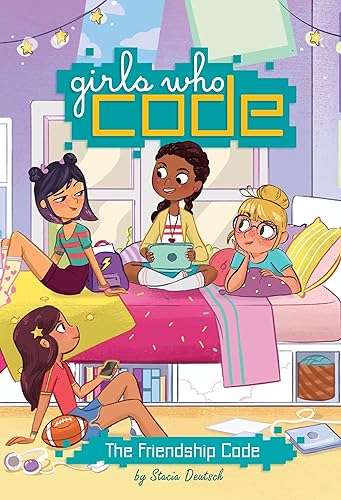


This is what good middle-grade fiction looks like in 2025—it teaches actual skills without being a textbook, features diverse characters without making it the whole point, and respects kids enough to include real struggles like illness and divorce.
The coding integration is genuinely clever. Instead of stopping the story to explain concepts, the mystery and scavenger hunts naturally introduce computational thinking. Kids come away understanding what loops and variables do because they saw them in action.
The friendship arc is well-done too. Lucy starts disappointed about her group assignment and has to learn that working with people who aren't your besties can actually be valuable. It's a lesson every middle schooler needs, delivered through story rather than lecture.
The cancer and divorce subplots might give some parents pause, but they're handled with care—present enough to feel real, not so detailed that they overwhelm. If anything, having these issues acknowledged helps kids feel less alone.
At 2017, it's recent enough to feel current (no outdated tech references that make kids cringe), and the 4.7 Amazon rating with NYT bestseller status backs up that this actually works as entertainment, not just education. Solid pick for the STEM-curious or anyone who needs a book that doesn't talk down to them.