The 100% Critic Problem
When you see a perfect 100% on Rotten Tomatoes, it usually means a show is either a universal masterpiece or it’s so niche that only the "right" people saw it. In this case, it’s a bit of both. Critics are obsessed because this is the first time we’ve seen dinosaurs treated with the same cinematic reverence as a BBC nature special.
The 74% audience score is where the real intel lives. That gap exists because The Dinosaurs isn't trying to be an action-adventure series. It’s patient. If your kid is used to the constant kinetic energy of Jurassic World or the high-speed chases of Chaos Theory, they might find the first twenty minutes of a long-form evolutionary study a bit slow. But for the kid who can tell a Giganotosaurus from a Carcharodontosaurus by the shape of their teeth, this is the Super Bowl.
Nature is Metal
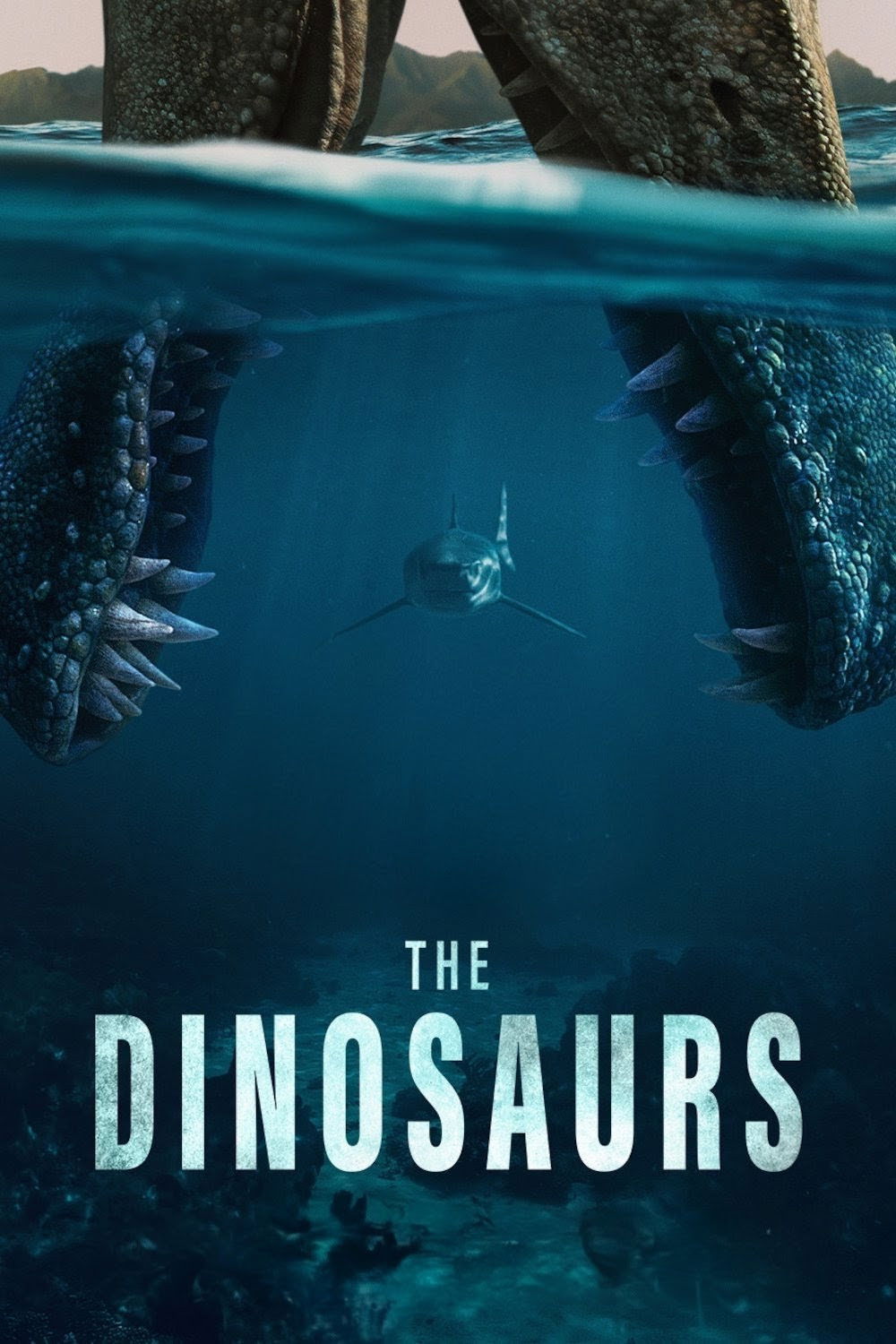
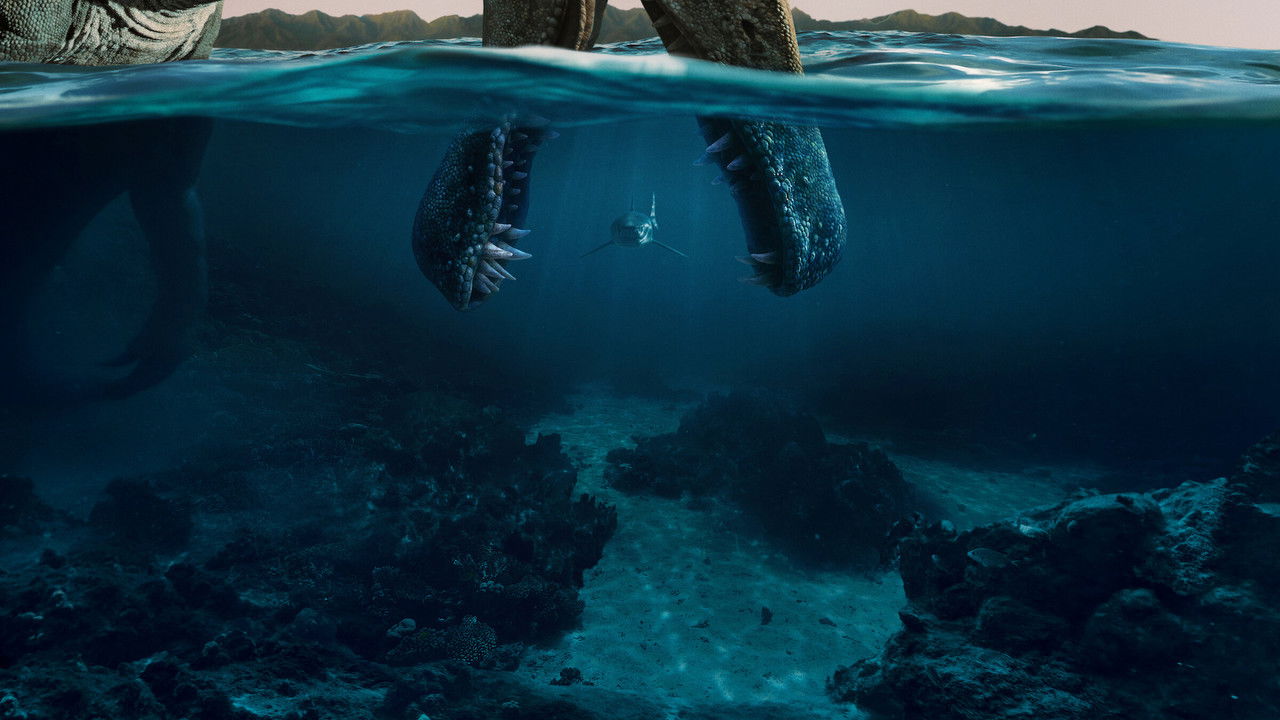
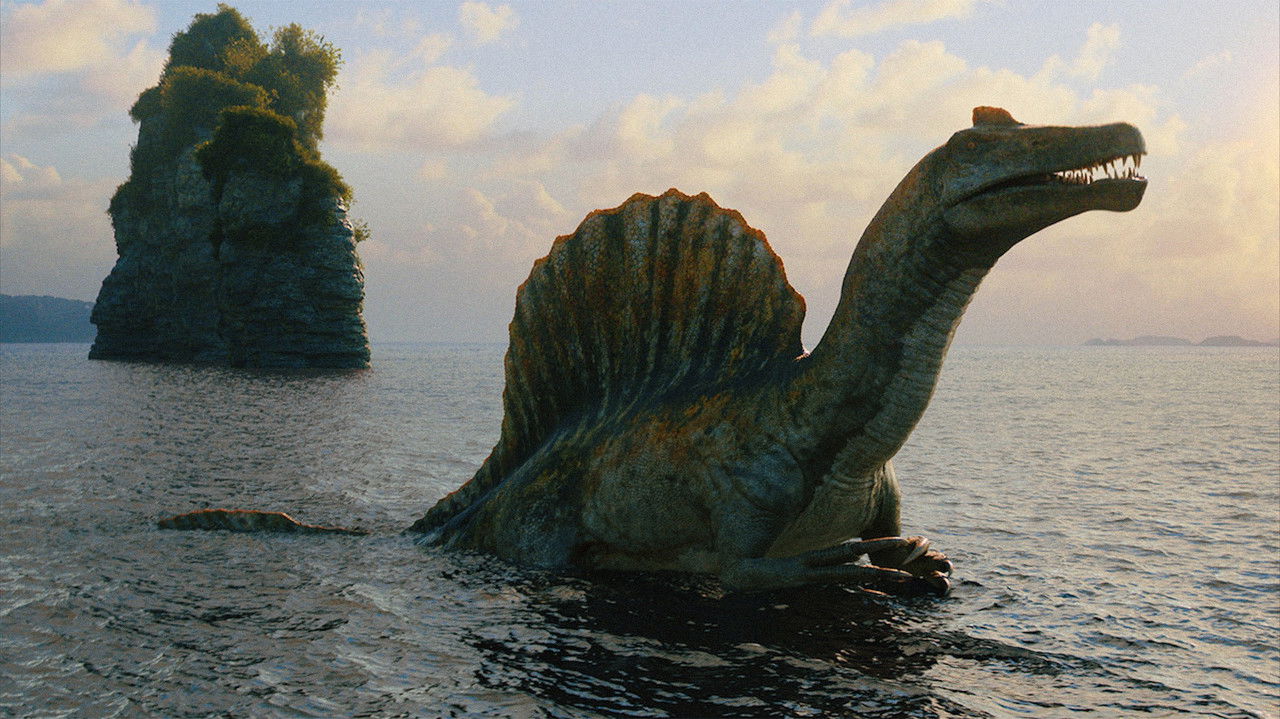
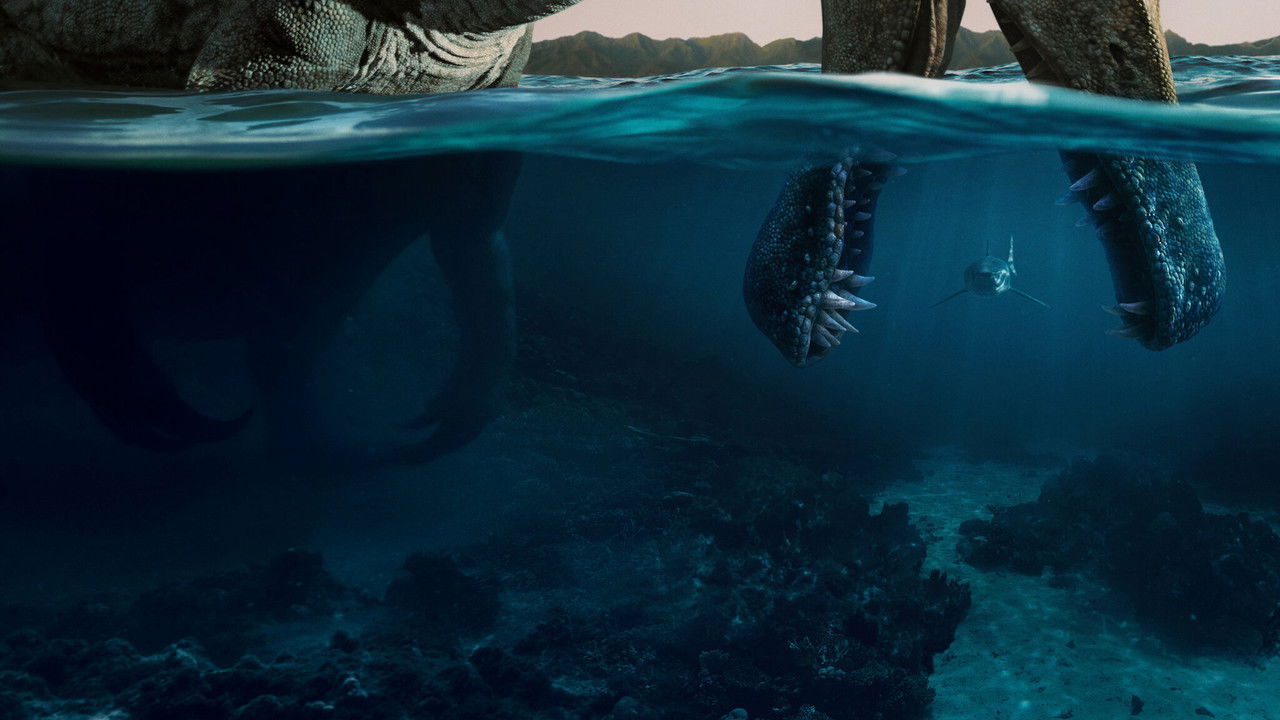
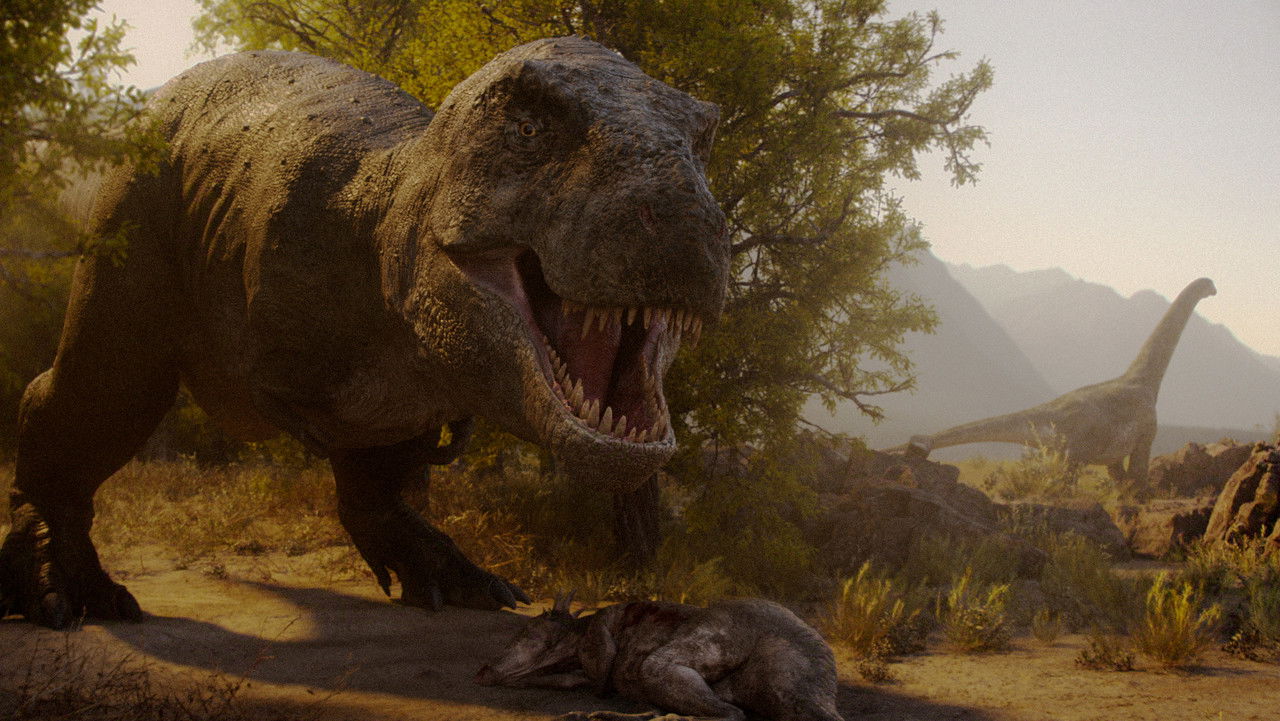
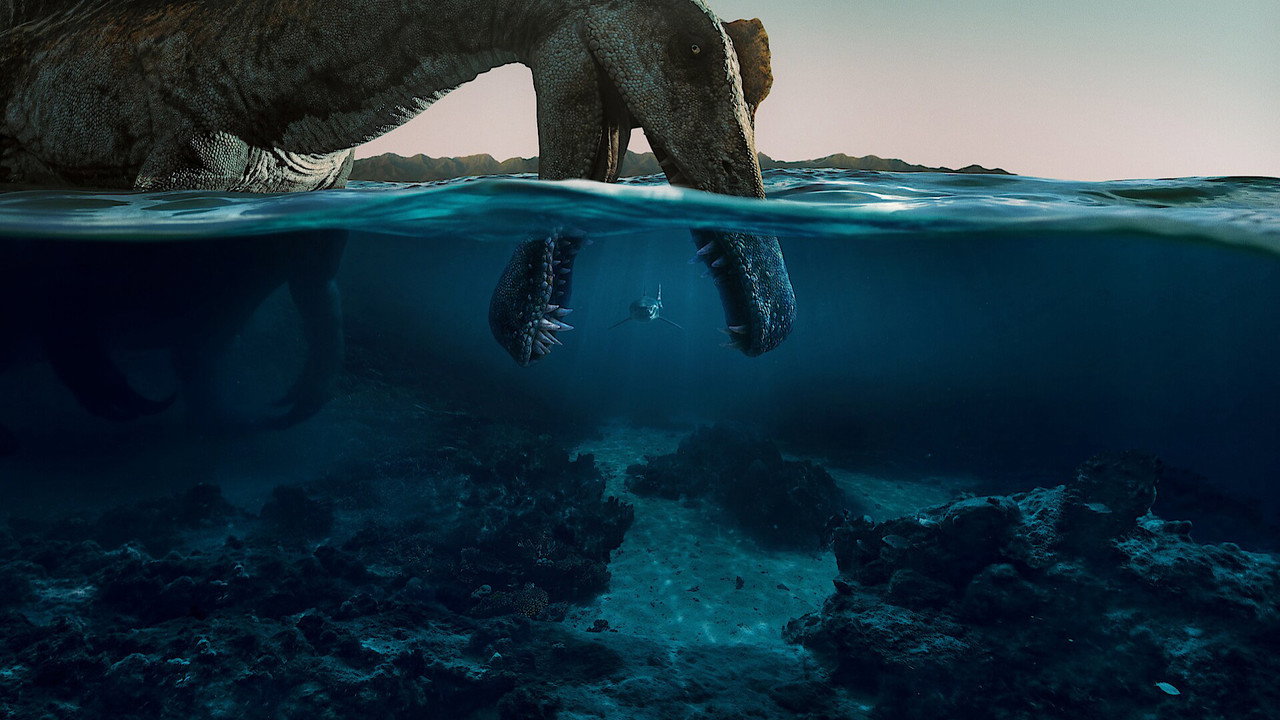
We need to talk about the "realism." In 2026, CGI has finally moved past the uncanny valley where everything looks like a wet plastic toy. These animals have weight, they have dirt under their claws, and they have feathers that move in the wind. Because they look so real, the hunting scenes carry more weight than your average dino-show.
It’s not "blood and guts" for the sake of shock, but it is honest about the food chain. When a predator wins, the prey loses. If you have a child who is particularly sensitive to animals getting hurt, you’ll want to check out The Dinosaurs on Netflix: A Parent’s Guide to the New Mega-Doc for a more granular look at those "nature’s law" moments. It’s the kind of show where you might need to explain that, yes, the baby dinosaur is becoming lunch, and no, that doesn't make the big dinosaur a "bad guy."
Beyond the T-Rex
One of the best things about this series is its refusal to just play the hits. We’ve all seen enough T. rex fights to last a lifetime. This show actually spends time in the Triassic, showing the weird, experimental versions of life that came before the giants we know. It treats evolution as a process, not just a gallery of monsters.
If your household is already deep into the Netflix ecosystem, this is a massive upgrade over the older, grainier documentaries currently sitting in the library. It’s high-prestige television that respects the audience's intelligence. Just be aware that if you’re on the "Standard with Ads" plan, the immersion is going to take a hit. There is nothing quite as jarring as a sweeping, orchestral shot of a prehistoric sunset being cut short by a 30-second ad for dish soap.
The "Why Now" Factor
We’re at a point where "dino-facts" are changing faster than the shows can keep up. This series feels like the first one to fully commit to the modern, feathered, bird-like reality of these animals without making them look "lesser" than the scaly monsters of 90s cinema. It’s a vibe check for the whole family: can you handle a Velociraptor that looks more like a giant, murderous hawk than a lizard? If the answer is yes, this is the best thing you’ll watch this month. If you’re still on the fence about the intensity, our guide on whether 'The Dinosaurs' is too scary covers exactly where the jump-scares live.