The "Middle-earth Lite" sweet spot
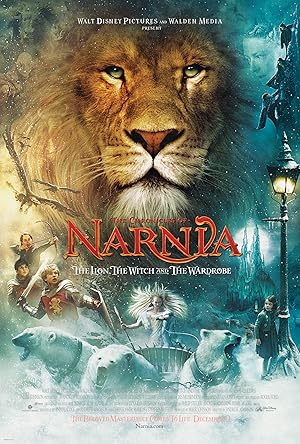
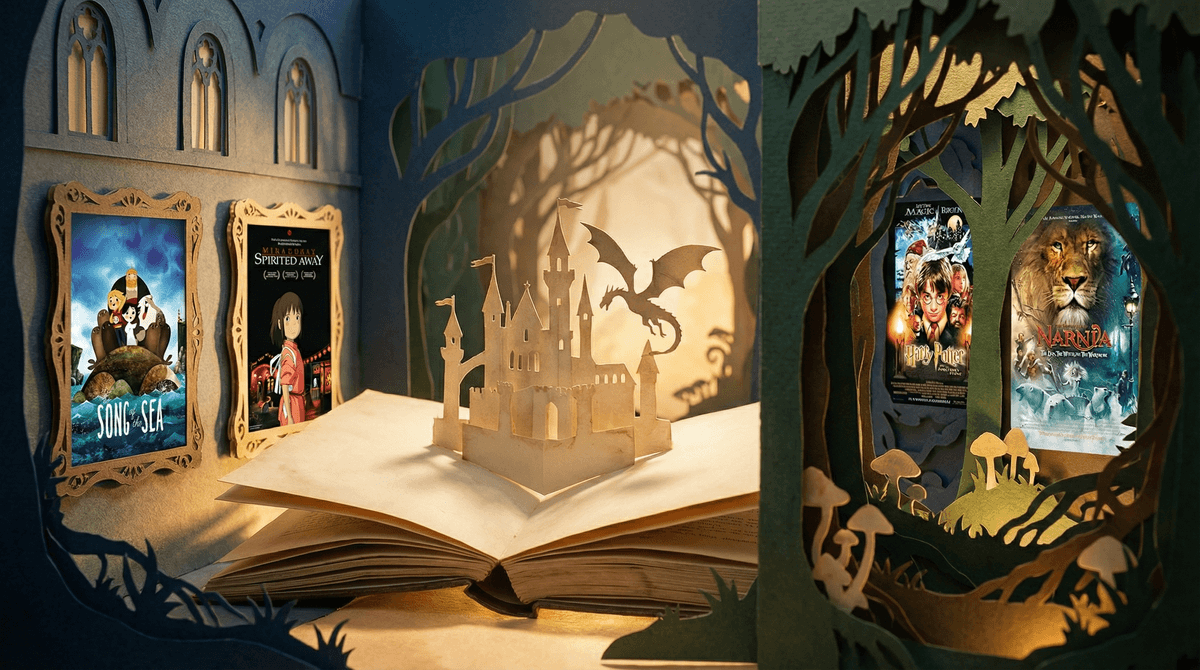
This movie arrived at the height of the post-Lord of the Rings fantasy boom, and it carries that same DNA—sweeping landscapes, massive practical sets, and a score that wants to be epic. But where Middle-earth can feel dense and overwhelming for a third-grader, Narnia is designed to be a front door. It’s the perfect bridge for a kid who has outgrown the whimsical stakes of Toy Story but isn't quite ready for the grim, orc-slaying intensity of more adult franchises.
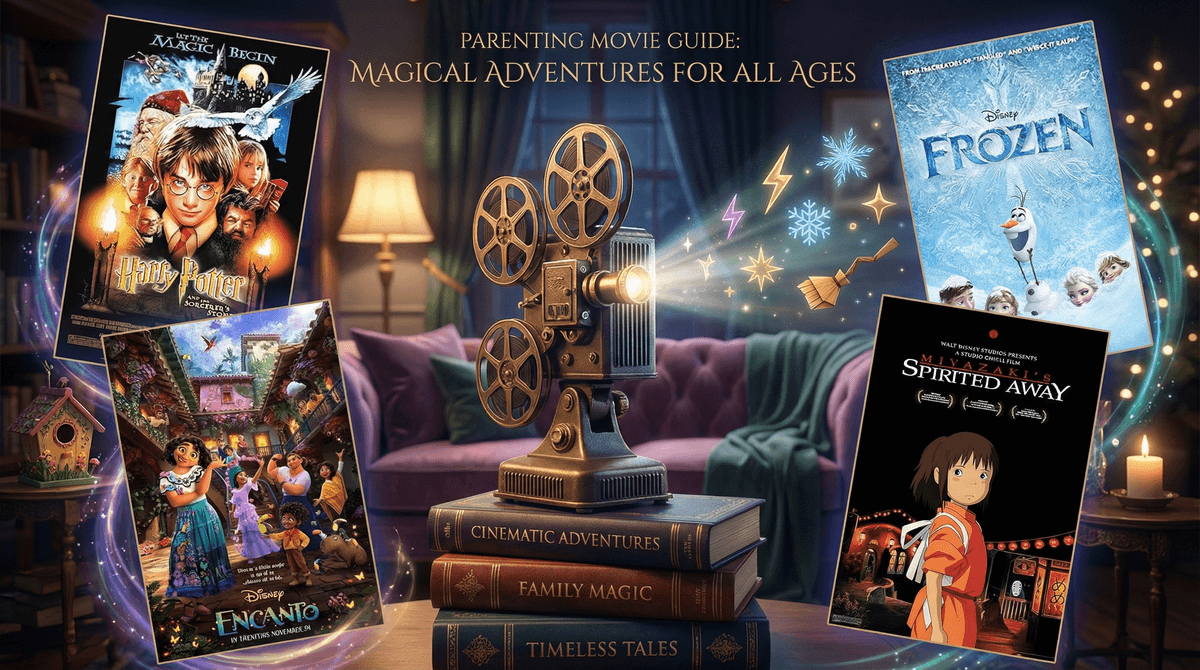
If you’re looking to build a weekend marathon, this sits comfortably between the early Harry Potter films and the more rigorous world-building of Family Fantasy Movies: 21 Best Magic Films Ranked by Age. It feels big and important without the three-hour runtime that usually comes with "chosen one" narratives.
The Edmund problem
Most kids’ movies treat the "difficult" sibling as a punchline or a temporary obstacle. This film does something braver: it makes Edmund’s betrayal feel heavy. His desire for Turkish Delight isn't just a craving; it’s a symptom of feeling overlooked and bullied. When he crosses over to the White Witch’s side, the movie doesn't look away from the consequences.
This creates a specific kind of friction. The scenes in the Witch’s castle are cold, damp, and genuinely unsettling. Tilda Swinton plays the villain with a quiet, razor-sharp stillness that is far more effective than a screaming monster. For a parent, this is the part to watch. If your kid is sensitive to "mean" characters or the feeling of a character being trapped, Is Narnia Too Intense? covers exactly how that psychological tension plays out compared to the physical violence of the final battle.
Navigating the Lion and the Legend
You can’t talk about Narnia without the lion in the room. Aslan is voiced with a gravitas that only a specific type of actor can provide—the kind of "gravelly legend" energy we've broken down in The Liam Neeson Vibe Check.
Regarding the Christian themes: they are the foundation of the house, but you don't have to be a carpenter to live in it. To a kid who doesn't know the Sunday School context, it’s a high-stakes story about a king who trades his life for a traitor. To a family looking for Faith-Based Movies for Families, it’s a beat-for-beat retelling of a specific theology. Both versions of the movie work perfectly well. You don’t need to "explain" the allegory for the movie to land emotionally, but if you want to use it as a springboard for a deeper talk, the movie makes it very easy to do so.
Why it still works in 2026
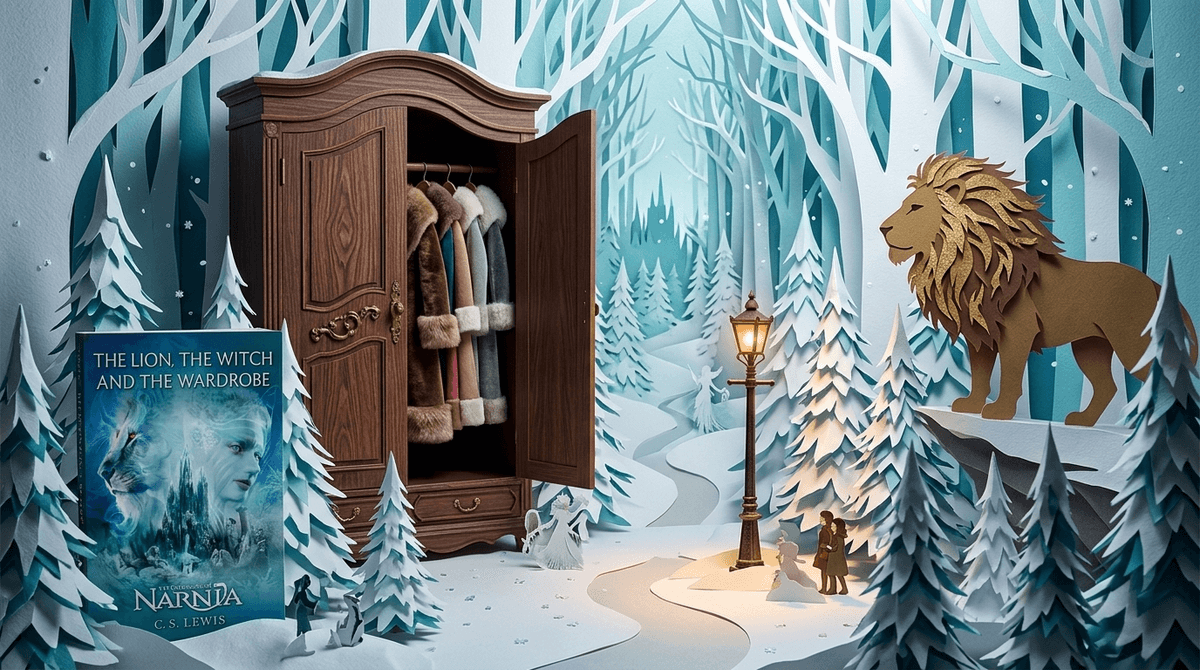
The CGI on the talking animals—specifically the Beavers—might feel a little "uncanny valley" to a generation raised on flawless Pixar renders. However, the physical world of Narnia still feels tangible. The fur coats in the wardrobe, the crunch of the snow, and the heavy metal of the swords give the movie a groundedness that modern, all-green-screen productions often lack.
It’s a "slow burn" adventure. It trusts that kids will be interested in the tea party with Mr. Tumnus as much as the charging rhinos at the end. If your household is used to the breakneck speed of YouTube or modern superhero edits, use this as a "pacing exercise." It’s a movie that asks you to sit still and breathe in the winter air before the spring thaw begins.