The "Fable" vs. The History
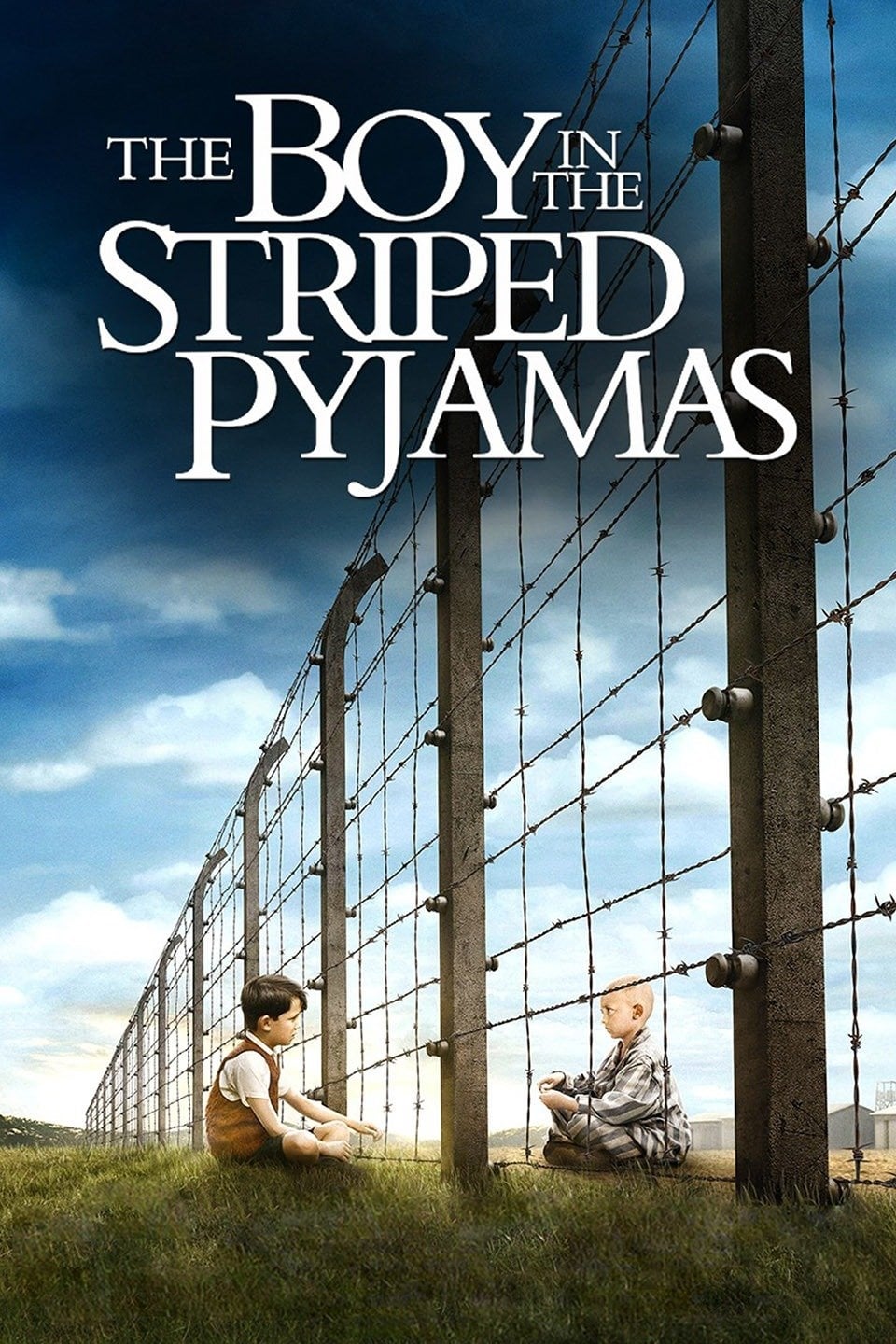
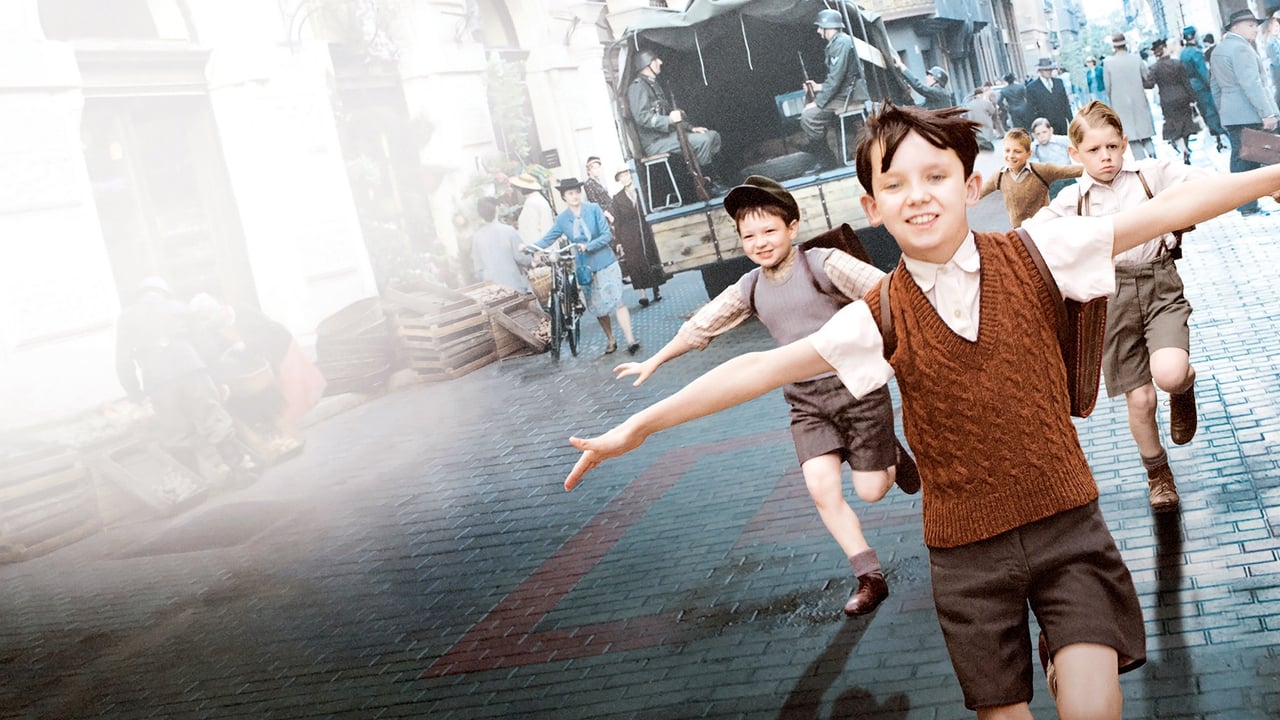
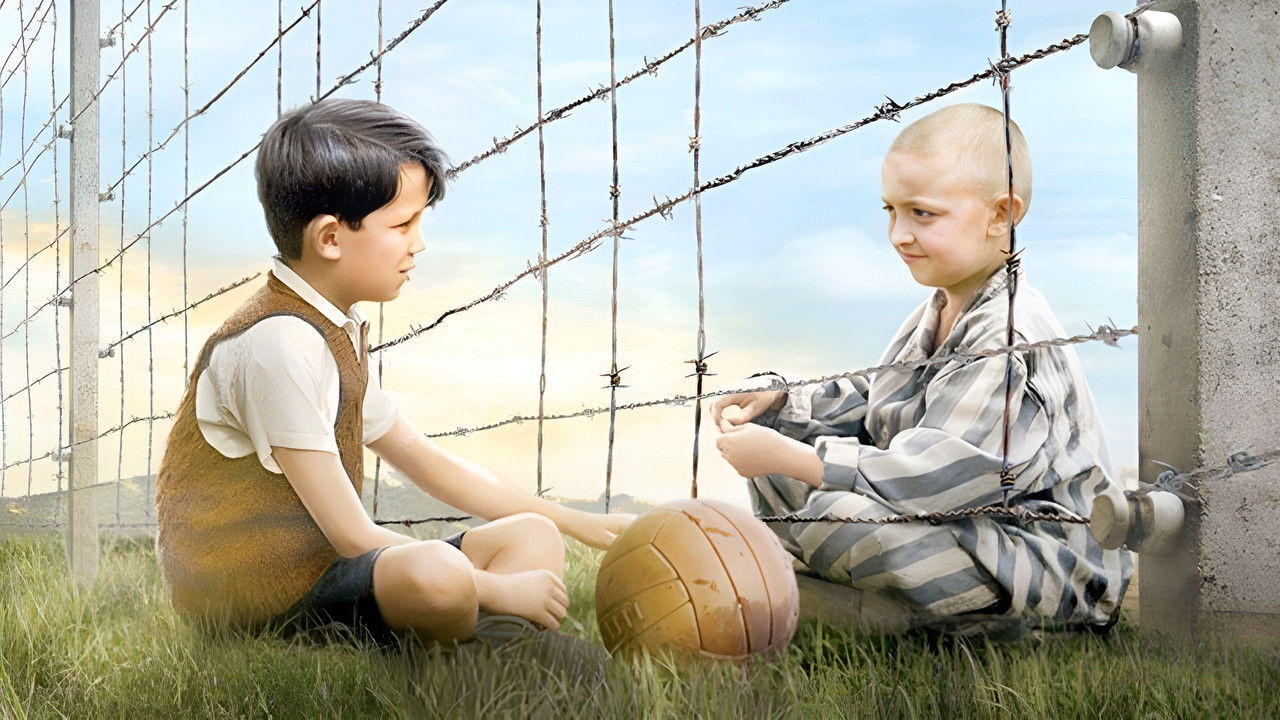
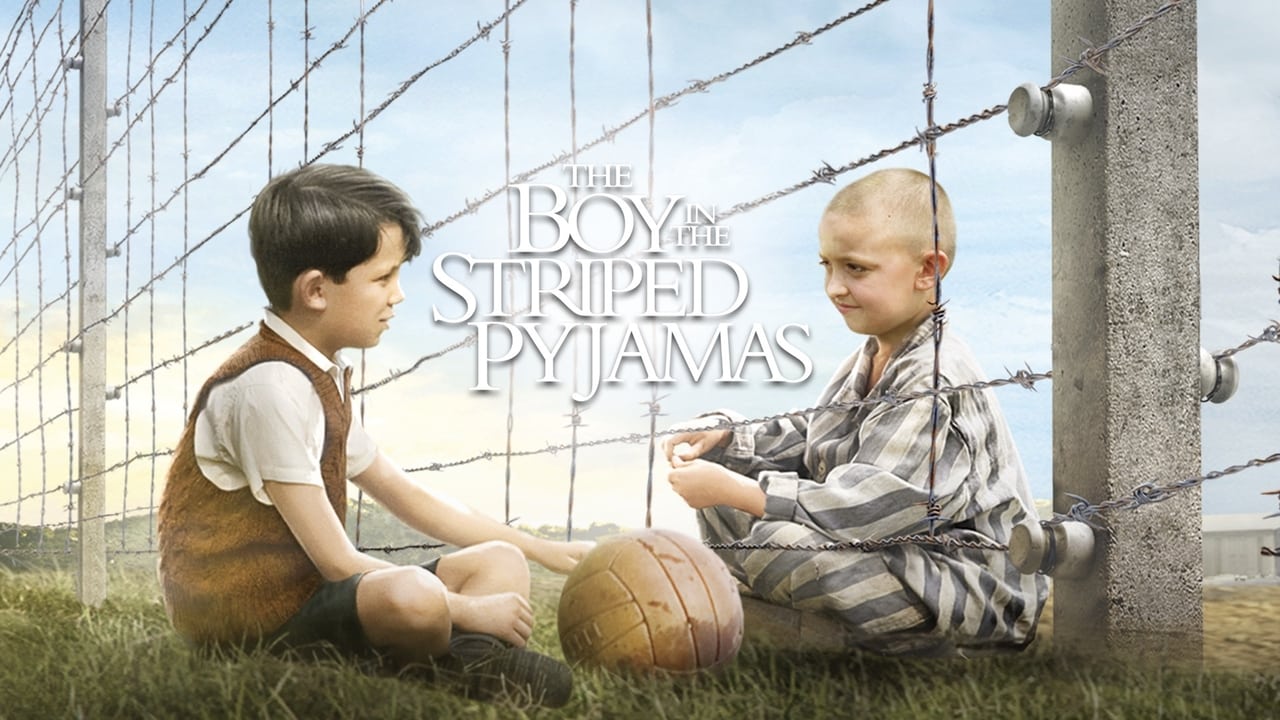
There is a massive gap between how critics and audiences view this movie. If you look at the Metacritic score (55) versus the Rotten Tomatoes audience score (84%), you see the conflict. Critics generally find the film’s premise—an eight-year-old German boy who has no idea what a concentration camp is despite living next to one—to be a stretch. Historians often go further, arguing that the "innocence" of the main character, Bruno, is practically impossible given the era's propaganda.
But for a 14-year-old viewer, that logic doesn't usually matter. The movie works because it functions as a fable. It isn't trying to be a beat-for-beat historical document. It’s a story about the literal and figurative fences we build. If you go in expecting a documentary-style look at the Holocaust, you’ll be annoyed by the inaccuracies. If you go in looking for an emotional entry point into a conversation about dehumanization, it hits like a freight train.
The Jojo Rabbit Comparison
If your teen recently watched Jojo Rabbit, they might think they’re prepared for another "kid’s-eye view" of Nazi Germany. They aren't. While both films deal with the indoctrination of children, Jojo Rabbit uses satire and eventually offers a sense of hope and growth. The Boy in the Striped Pajamas offers none of that. There is no punchline, no hero’s journey, and no catharsis.
If you feel like your kid needs a bridge before jumping into something this bleak, consider starting with our list of Holocaust movies for middle school. Those picks often handle the gravity of the era with a bit more guardrail for younger or more sensitive viewers.
Why the Ending Stays With You
The final ten minutes are why this movie is still discussed nearly two decades after its release. Most "sad" movies give you a moment to breathe or a character to mourn with. This one just stops. It leaves the viewer in a state of shock that almost demands an immediate conversation just to process the weight of it.
This is where the "educational" value actually lives. It’s not in the facts of the camp—which are stylized and sanitized for most of the runtime—but in the realization of how complicity works. Bruno’s father isn't a cartoon monster; he’s a family man who happens to be overseeing an atrocity. That’s a much harder, more important concept for a teenager to wrap their head around than a simple "good vs. evil" narrative.
How to Watch It Without Spiraling
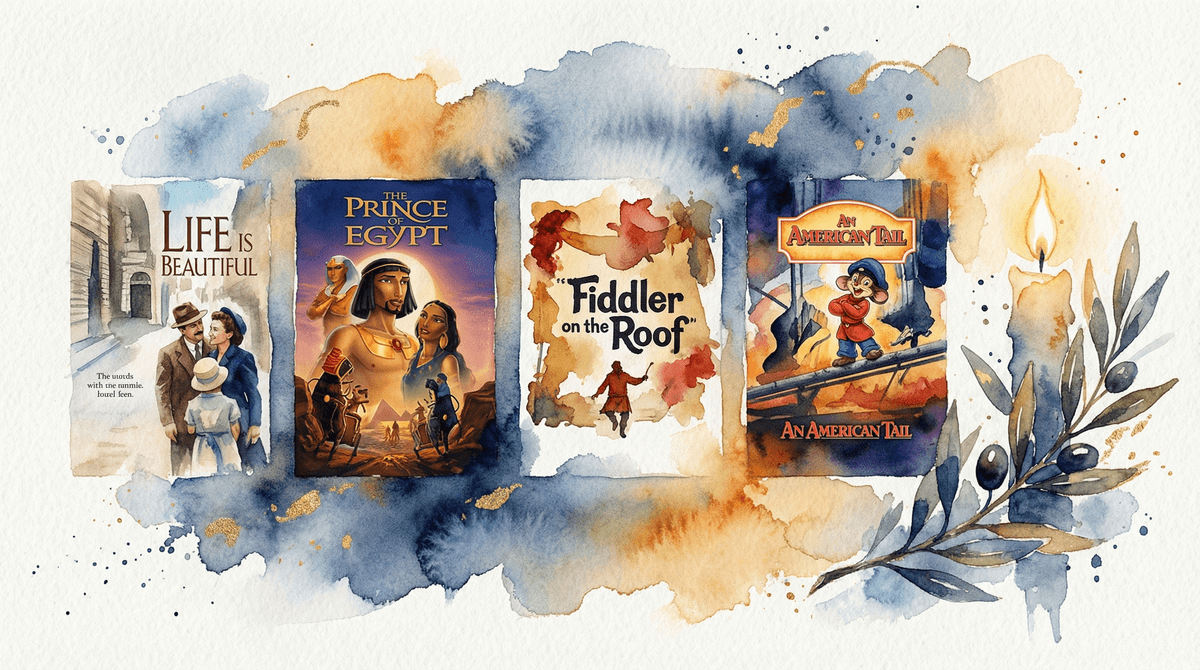
Don't watch this on a school night right before bed. It's a heavy lift that requires some debriefing time. If you’re using this as part of a larger look at history or heritage, you might want to pair it with movies about the Jewish experience that show more than just the tragedy of the Holocaust.
If you have a kid who is deeply empathetic or prone to "doom-scrolling" through heavy topics, this might be a skip. You can find plenty of historical films that teach without traumatizing that cover similar themes of justice and prejudice without the specific, haunting imagery found in this film's final act.
Ultimately, this is a one-and-done viewing. You watch it for the perspective shift, you talk about it until your throat is sore, and then you likely never want to see it again. That doesn't mean it’s bad—it just means it’s effective.