The "Banned Book" Frequent Flyer
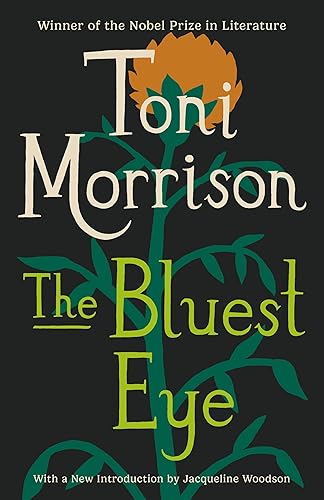
If you’ve been following the news about school board meetings or library purges, you’ve seen this cover. It is essentially the poster child for modern book challenges. Because it deals with incest and sexual violence, it’s often the first title thrown onto a list of "filth" by people who haven't actually read the text.
But here’s the reality: this isn't some edgy, shock-value paperback. It’s the debut novel from a Nobel Prize winner. When people talk about why kids should read banned books, they are talking about the exact kind of empathy-building and critical thinking Morrison demands here. It’s a book about how a society’s standard of beauty can literally break a child’s mind. If your teen is seeing headlines about banned books and school library controversies, this is the "final boss" of that conversation.
The "Good Reader" Trap
There is a specific kind of parent—and I say this with love—who sees their 13-year-old tearing through Dune or Anna Karenina and thinks, "They’re ready for anything."
In this case, they aren't.
The prose in The Bluest Eye is deceptively accessible. It’s lyrical, rhythmic, and often described as "poetry." But the emotional weight is different. Unlike a lot of YA literature that deals with heavy topics like The Hate U Give or Dear Martin, Morrison doesn't offer a hopeful "we shall overcome" arc for the protagonist, Pecola. This is a story about psychological annihilation.
If your kid is a "good reader" but still lacks the life experience to process graphic sexual trauma or the nuance of internalized colorism, this book will just be a trauma-dump. Save it for the 17-year-olds. It hits harder when the reader has the maturity to see the systemic rot Morrison is pointing at, rather than just being scarred by the plot points.
If Your Kid Liked The Color Purple
If they’ve already engaged with Alice Walker’s The Color Purple (either the book or the films) and were able to handle the themes of abuse and redemption, The Bluest Eye is the logical next step—but it’s darker. While Walker offers a path toward self-actualization, Morrison’s debut is a tragedy in the classical sense.
It’s also a great companion for a teen who is starting to notice the "standard" of beauty on social media. We talk a lot about Instagram filters and "pretty privilege" now, but Morrison was dissecting the 1940s version of that—blonde hair, blue eyes, and Shirley Temple—decades ago.
How to Handle the Friction
Don’t just buy this, drop it on their nightstand, and walk away. This is "active participation" media.
- Read the intro first. The 2007 edition includes a new introduction by Jacqueline Woodson. Read it yourself so you can frame the "why" of the book for your teen.
- Acknowledge the graphic nature. Don't downplay the "Summary Flags." Tell them: "This book contains a scene of incestuous rape. It is horrifying, and it’s supposed to be."
- Use the "Shirley Temple" hook. Ask them if they see the modern equivalent of the "blue eyes" obsession in their own feeds.
By the time they finish, they won't just be thinking about Pecola; they’ll be thinking about the freedom to read and why some adults are so terrified of this specific story being told.