The "Forbidden Fruit" of Indie Gaming
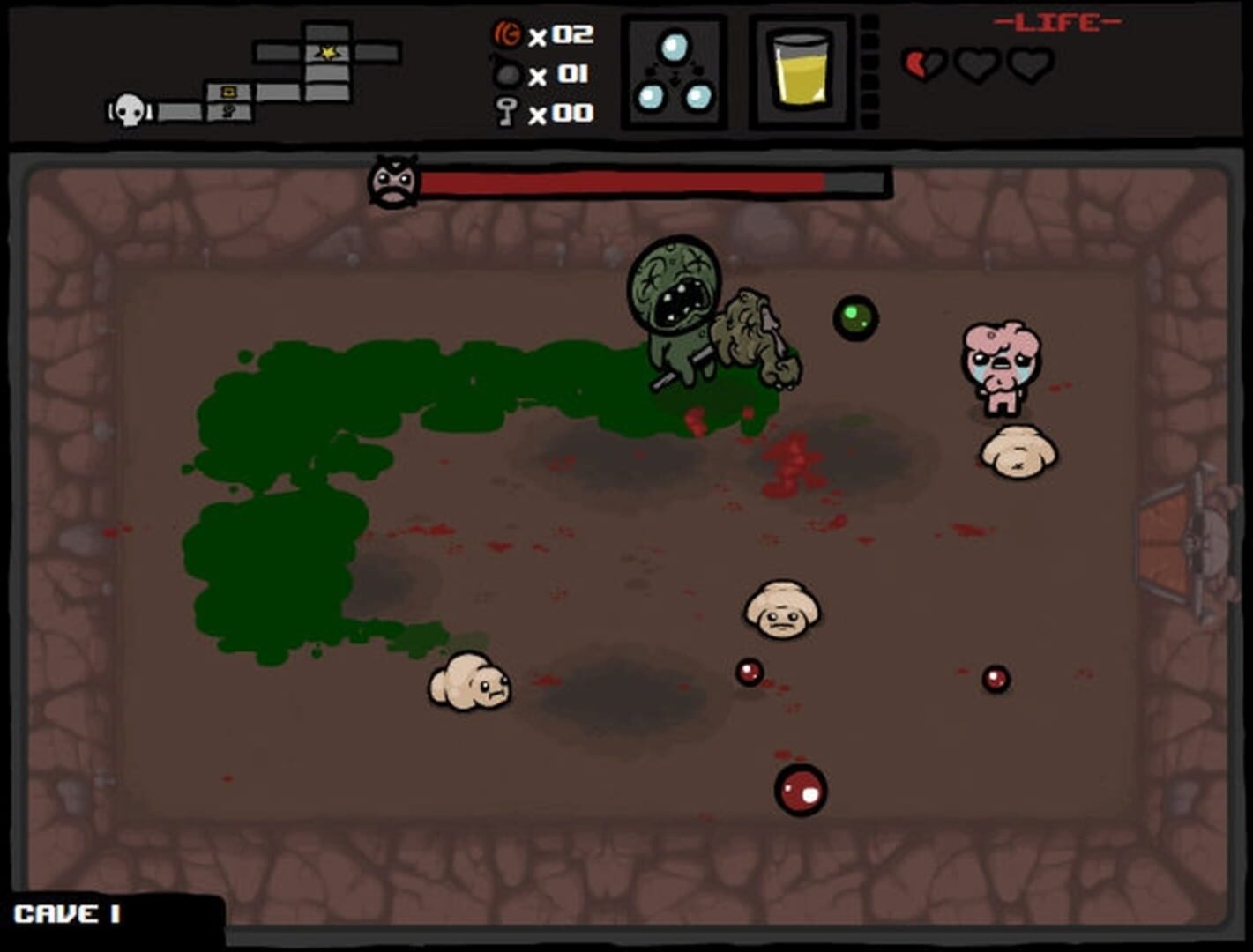
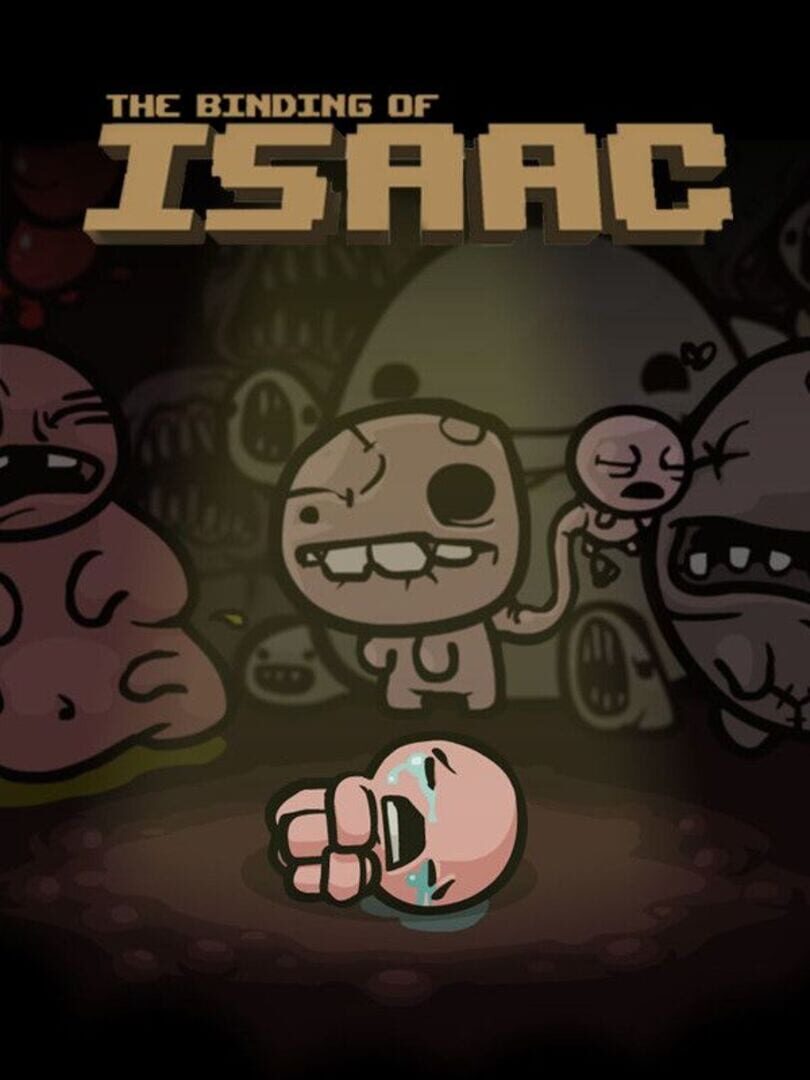
If you’ve spent any time looking at the indie game landscape, you’ve seen Edmund McMillen’s influence everywhere. The Binding of Isaac is the 2011 titan that essentially kickstarted the modern obsession with roguelike games. It’s a top-down shooter that plays like the original Legend of Zelda dungeons, but instead of a sword, you’re firing tears, and instead of a shield, you’re collecting items like "The Sad Onion" or "The Coat Hanger."
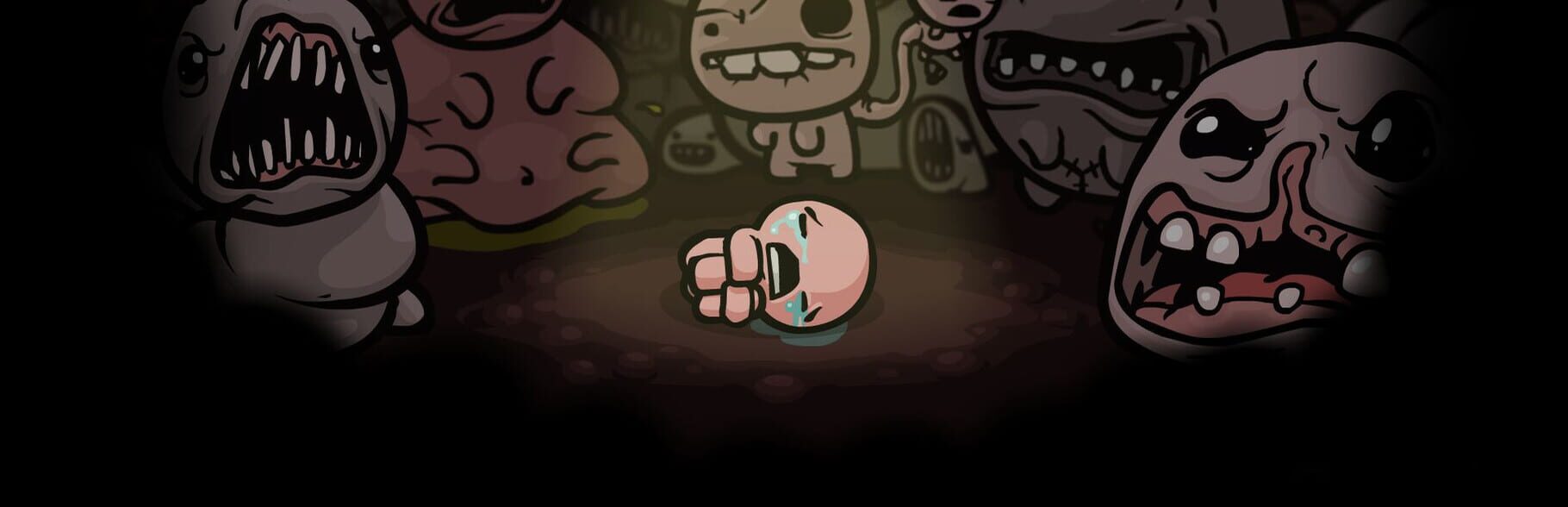
The reason it’s so polarizing isn't the difficulty—it’s the vibe. The game is a relentless barrage of gross-out humor and religious trauma. You aren't just fighting monsters; you're fighting sentient piles of offal and literal personifications of sin. For a certain type of teenager, that transgressive energy is a magnet. It feels like something they aren't supposed to be playing, which is exactly why it has maintained a massive cult following for over a decade.
The Genius of the "Synergy"
What makes this game genuinely brilliant—and why it’s so hard to pull a kid away from it—is the item system. Most games give you a "power-up" that adds +5 to your damage. Isaac gives you items that fundamentally rewrite the rules of the game. You might pick up an item that turns your tears into massive, piercing lasers, and then another that makes those lasers orbit your body like a shield.
This creates a "just one more run" loop that is incredibly addictive. Every time you die, you start over from the beginning, but you’ve unlocked a new item or a new character. It turns failure into a puzzle. If your kid is obsessed with the mechanics of how games work—the "math" under the hood—this is basically their version of a high-stakes laboratory.
Where the Friction Lives
The IGDB score sits near an 80 for a reason: the gameplay is nearly perfect. But the friction for a parent isn't about "screen time" or "violence" in the traditional sense. It’s the thematic weight.
Most games use "monsters" as abstract targets. In Isaac, the monsters are often distorted versions of Isaac himself, or representations of his mother’s religious fervor. It’s a game about a child who feels unloved and viewed as "sinful," and he retreats into his imagination (the basement) to process that.
If your teen is into Hades or Enter the Gungeon, they are already familiar with the roguelike games structure. Hades is "Prestige TV"—it’s polished, beautiful, and tells a story about family squabbles. The Binding of Isaac is an underground punk zine. It’s messy, it’s intentionally disgusting, and it deals with much darker psychological territory.
How to Handle the "Basement"
If your kid is already playing this, you don't need to panic about the "blood and guts." It’s all rendered in a chunky, 2011-era cartoon style. The real move here is to check in on the themes. This isn't a game you play to relax; it’s a game you play to be challenged and, occasionally, to be grossed out.
If they love the mechanics but the "dead baby" aesthetic is a bridge too far for your household, point them toward Neon Abyss or Dead Cells. They offer the same strategic depth without the baggage of religious horror. But if they’re already deep in the basement, the best thing you can do is ask them about their "build." They’ll likely spend twenty minutes explaining how a "Brimstone" and "Spoon Bender" combo just broke their entire run, and you’ll realize they’re focused on the logic, not the gore.