The Marriage Inside the Cold War
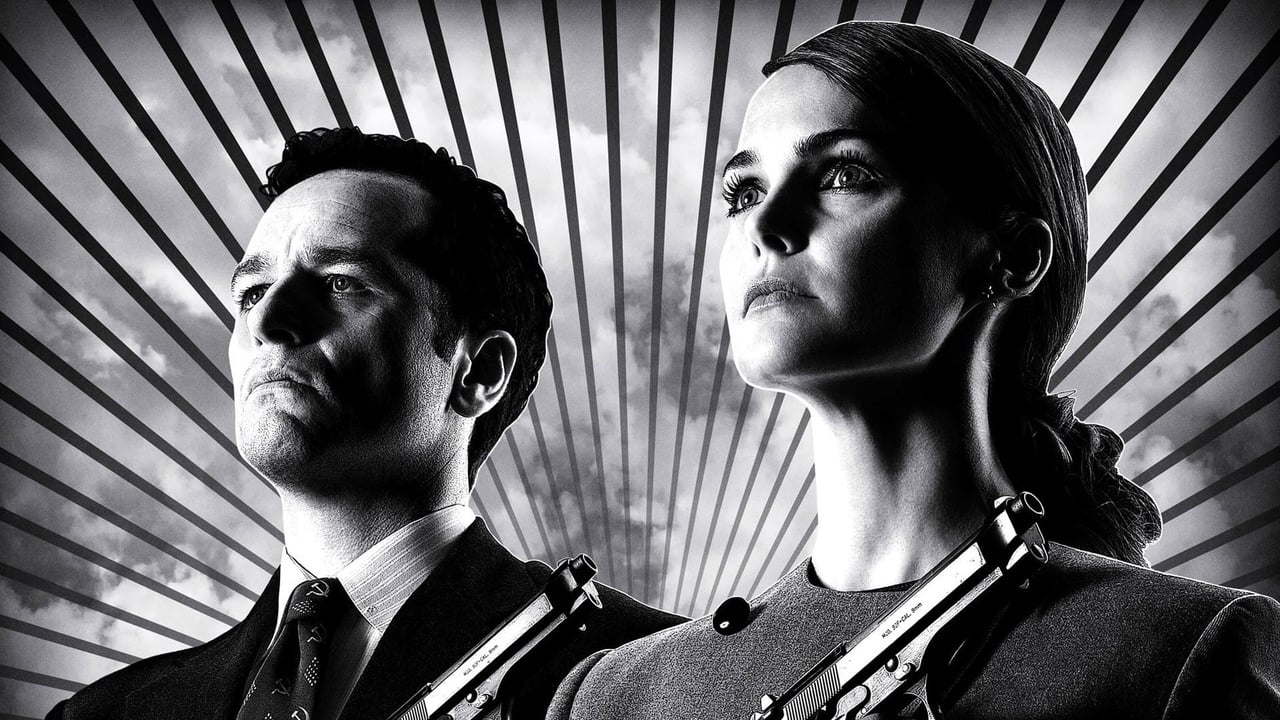
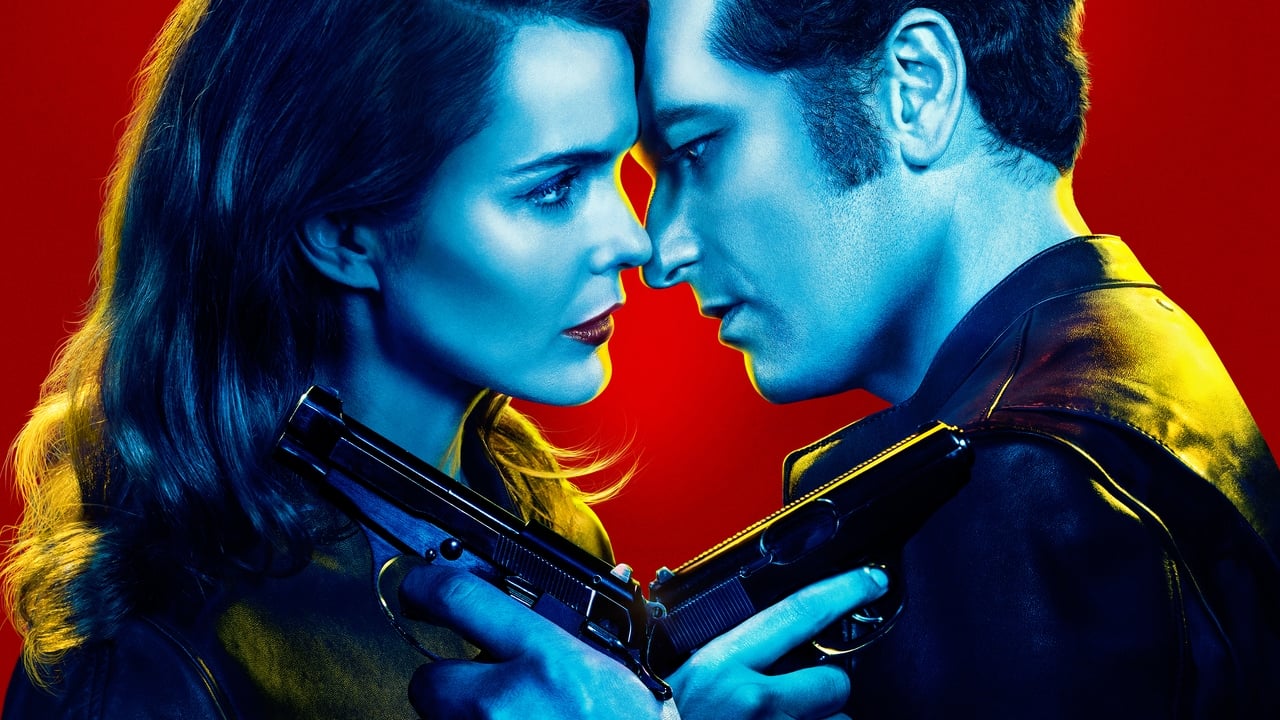
Most spy media treats espionage as an adrenaline delivery system: sports cars, clever gadgets, shootouts on rooftops. The Americans treats spycraft as grueling, soul-eating administrative work. Creator Joe Weisberg, an ex-CIA officer, built a show about Soviet illegals that feels uncomfortably real because the central conflict is domestic.
Philip and Elizabeth Jennings arrived in America in the 1960s, paired up by their handlers, given forged identities, and told to have children to complete the cover. By the time the series picks up in 1981, they run a suburban travel agency in northern Virginia, raising two kids who genuinely believe they are all-American suburbanites. Their FBI counterintelligence neighbor, Stan Beeman, comes over for beer and backyard cookouts.
Why It Works for Older Teens
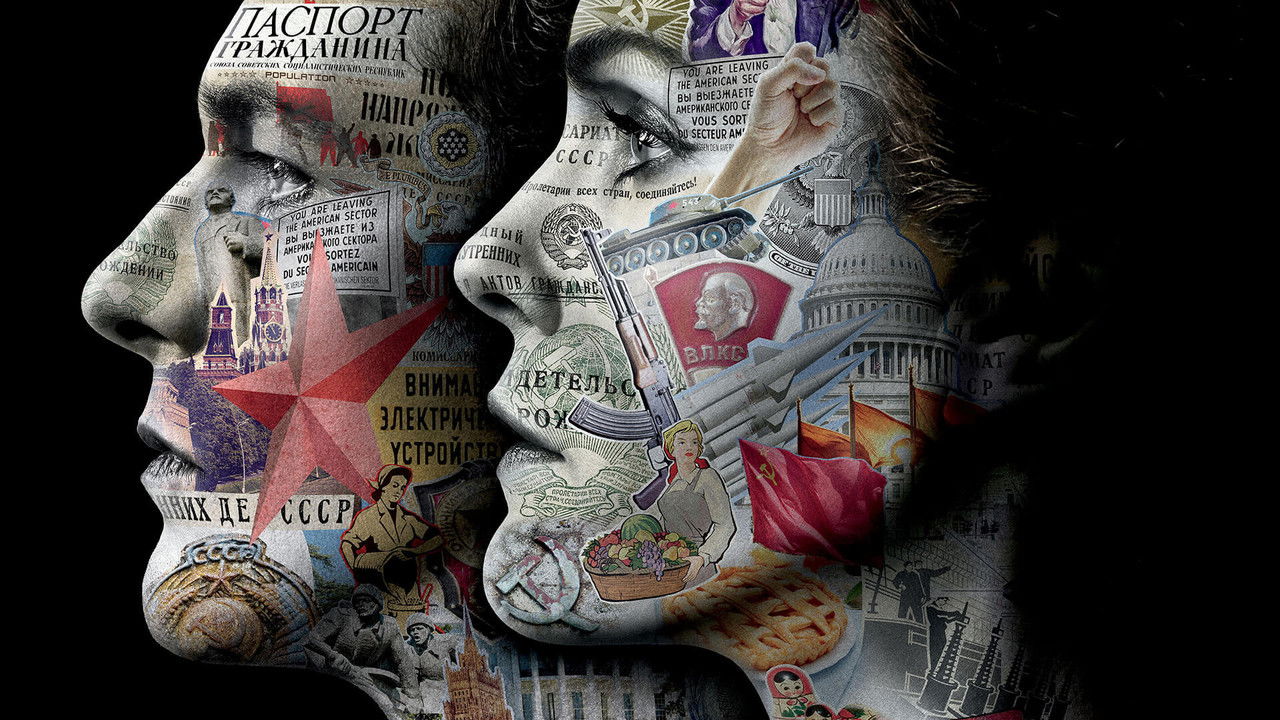
The brilliance of the show lies in how it frames loyalty. Modern history classes tend to summarize the Cold War through missile counts, treaties, and doctrine. The Americans puts you at kitchen tables in Moscow and suburban Virginia, exploring what individuals were willing to swallow for their country.
- Ideological conflict without propaganda: Neither the United States nor the Soviet Union gets a clean pass. The series depicts Soviet supply shortages and brutal purges alongside American military aggression and moral blindness.
- The coming-of-age crisis: As their daughter Paige reaches adolescence, the family dynamic fractures. Watching Paige search for moral grounding in church activism while her mother tries to mold her into a KGB asset provides some of the rawest teen-parent drama on television.
- Tradecraft details: Dead drops, microfilm, wiretaps, lock-picking, and wigs take center stage. There are no magical computer hacks; everything happens on foot, at payphones, and in shadows.
Managing the Content
If you plan to watch this alongside a teen, understand that the show never softens its blows. In early seasons, the physical toll of espionage is rendered with stomach-turning intimacy. When characters die, they bleed out on kitchen floors or get compressed into luggage. The honeytrapping sequences, where the Jennings sleep with FBI secretaries or defense contractors to harvest intel, are emotionally predatory and visually explicit.
Treat it as high-level literature: best enjoyed when your kid has the historical grounding to understand 1980s proxy wars and the emotional maturity to handle deeply conflicted antiheroes.