The paperwork heist you didn't see coming
Most movies about video games try to recreate the experience of playing them. They fail because watching someone else jump on a turtle is never as fun as doing it yourself. Tetris succeeds because it ignores the gameplay entirely and focuses on the logistics of the 1980s. It treats a software licensing agreement like a suitcase full of plutonium.
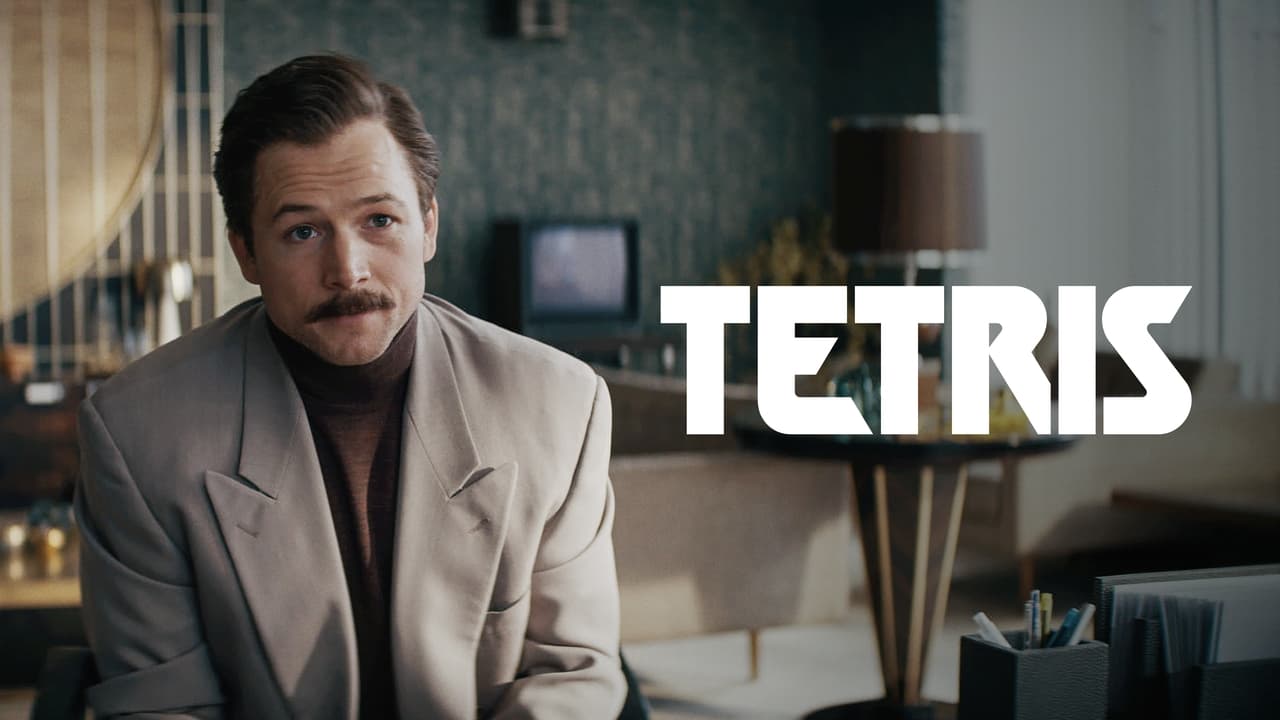
If your teenager enjoyed The Social Network or Air, they will find this fascinating. It captures that specific brand of obsessive entrepreneurship where a guy sees a product and decides to ruin his life just to make sure the rest of the world can play it. Henk Rogers isn't a soldier or a spy, but the movie places him in the middle of a collapsing Soviet Union where every handshake feels like a potential death sentence. It’s a corporate thriller that actually earns its tension.
A Cold War time capsule
The film does a fantastic job of illustrating the friction of the era. For kids who grew up with the App Store, the idea that you couldn't just "buy" a game because the government of the country that invented it didn't believe in private property is a wild concept. It makes the Cold War feel tangible in a way a history book rarely does.
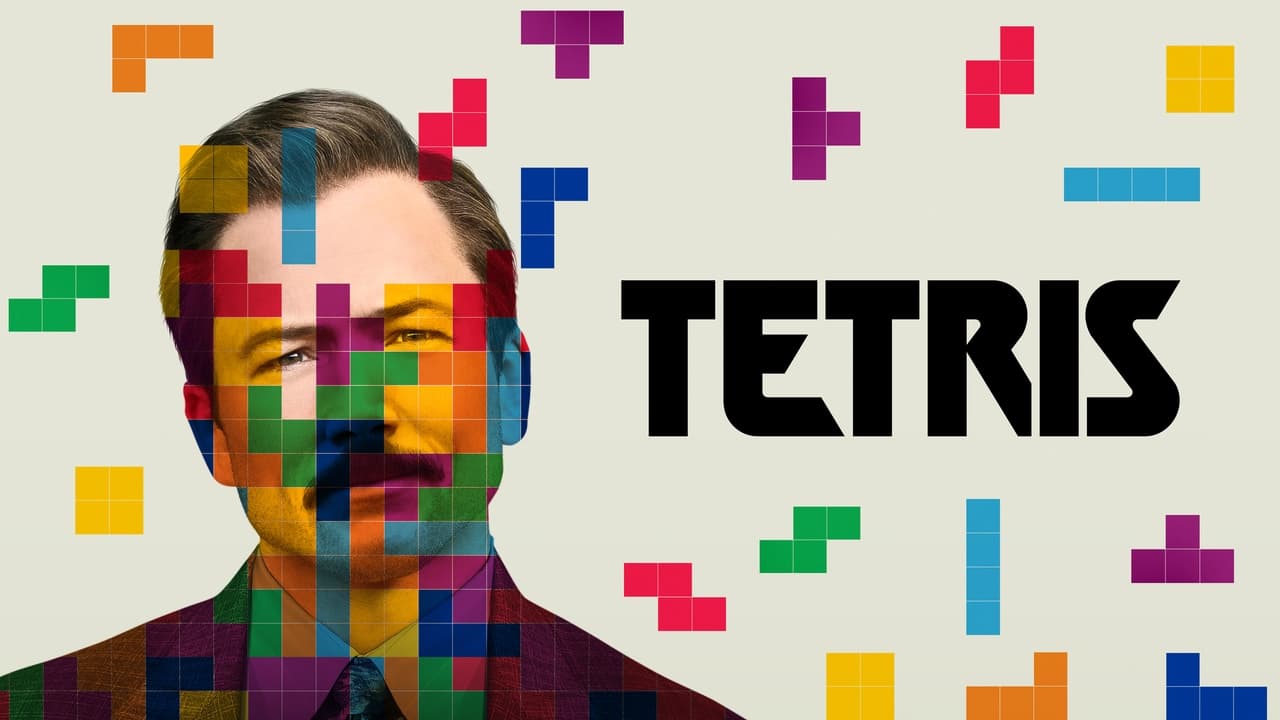
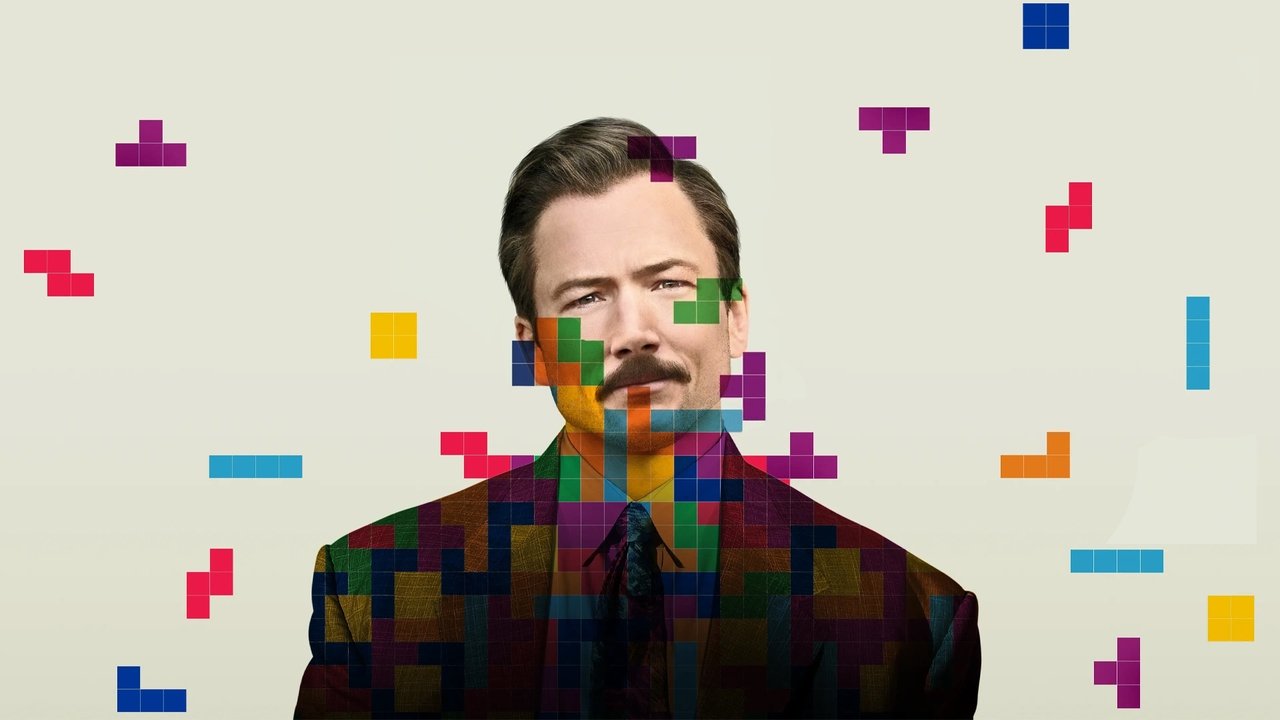
The visual style leans into this. The movie uses 8-bit transitions and map sequences that make the journey from Tokyo to Moscow look like a level in a Game Boy title. It’s a clever nod to the source material that keeps the aesthetic from becoming too grey or drab, even when the characters are stuck in windowless Soviet offices. While critics gave it a 61 on Metacritic, the much higher audience scores suggest that people are willing to overlook some of the "movie magic" dramatization because the core story is just that weird.
Why the jargon matters
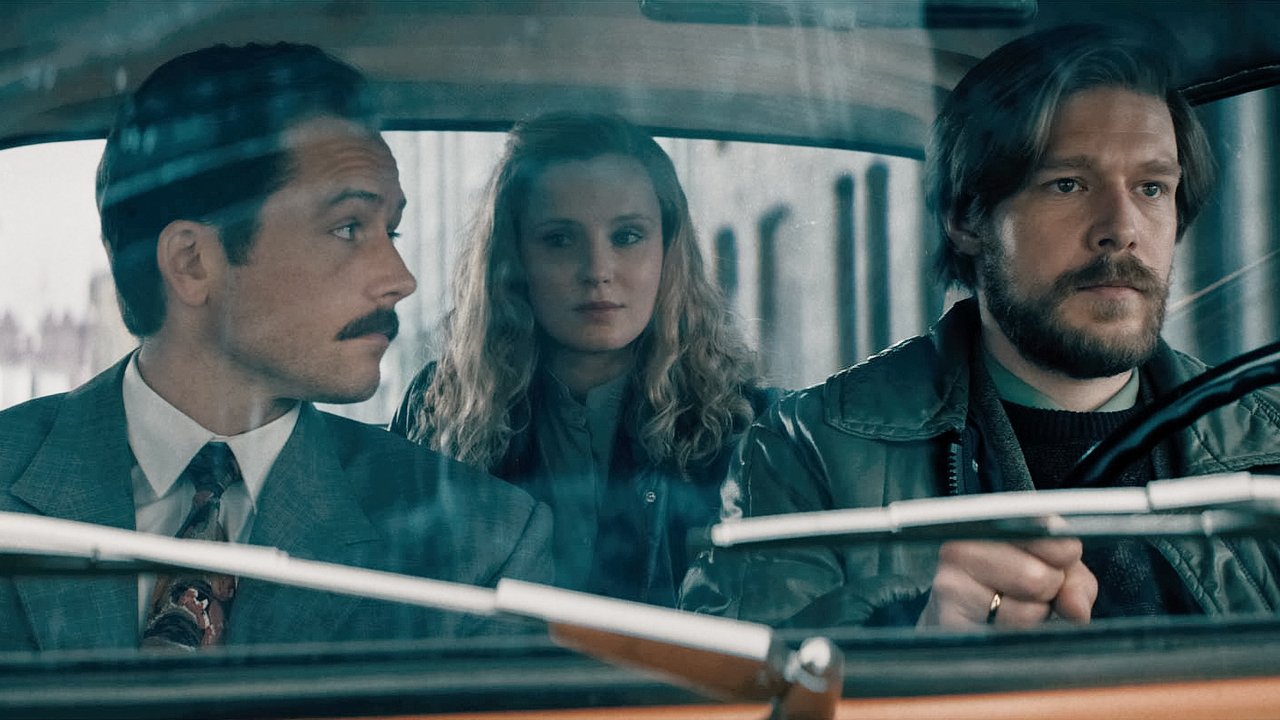
You should know that about 40% of this movie is people in suits arguing about the difference between "handheld rights" and "computer rights." In a lesser movie, this would be a total snooze. Here, it works because the stakes are tied to the survival of the characters. When the KGB gets involved, a breach of contract isn't just a lawsuit; it’s a threat to Henk’s family.
If you have a kid who is interested in game design or the business side of tech, this is essential viewing. It moves past the "coding in a basement" trope and looks at the brutal reality of distribution and intellectual property. It’s a great way to talk about how much work goes into the "boring" parts of the things we love. Just be ready for the intense pacing. Once Henk lands in Moscow, the movie stops being a business biopic and turns into a full-blown escape room.
The "After-Watch" move
Once the credits roll, the most natural thing to do is actually look at a Game Boy. If you have an old one in a drawer, pull it out. Seeing the tiny, green-tinted screen after watching a two-hour thriller about its birth makes the hardware feel like a relic of a hard-won war. It changes the perspective from "this is an old toy" to "this is the thing people almost went to prison for." That shift in perspective is exactly why this movie is worth the runtime.