Team Fortress 2

Team Fortress 2

game

2007, Shooter

WISE
42%

WISE Score

83%

IGDB

Classic team shooter with charming cartoon style, but the Wild West of unmoderated chat makes it a minefield for kids.

Screenwise Verdict

Team Fortress 2 was groundbreaking in 2007 and still has charm—the class-based gameplay is clever, the art style holds up, and it teaches genuine teamwork skills. The problem? It's the digital equivalent of dropping your kid at an unsupervised skate park where half the teens are screaming slurs.

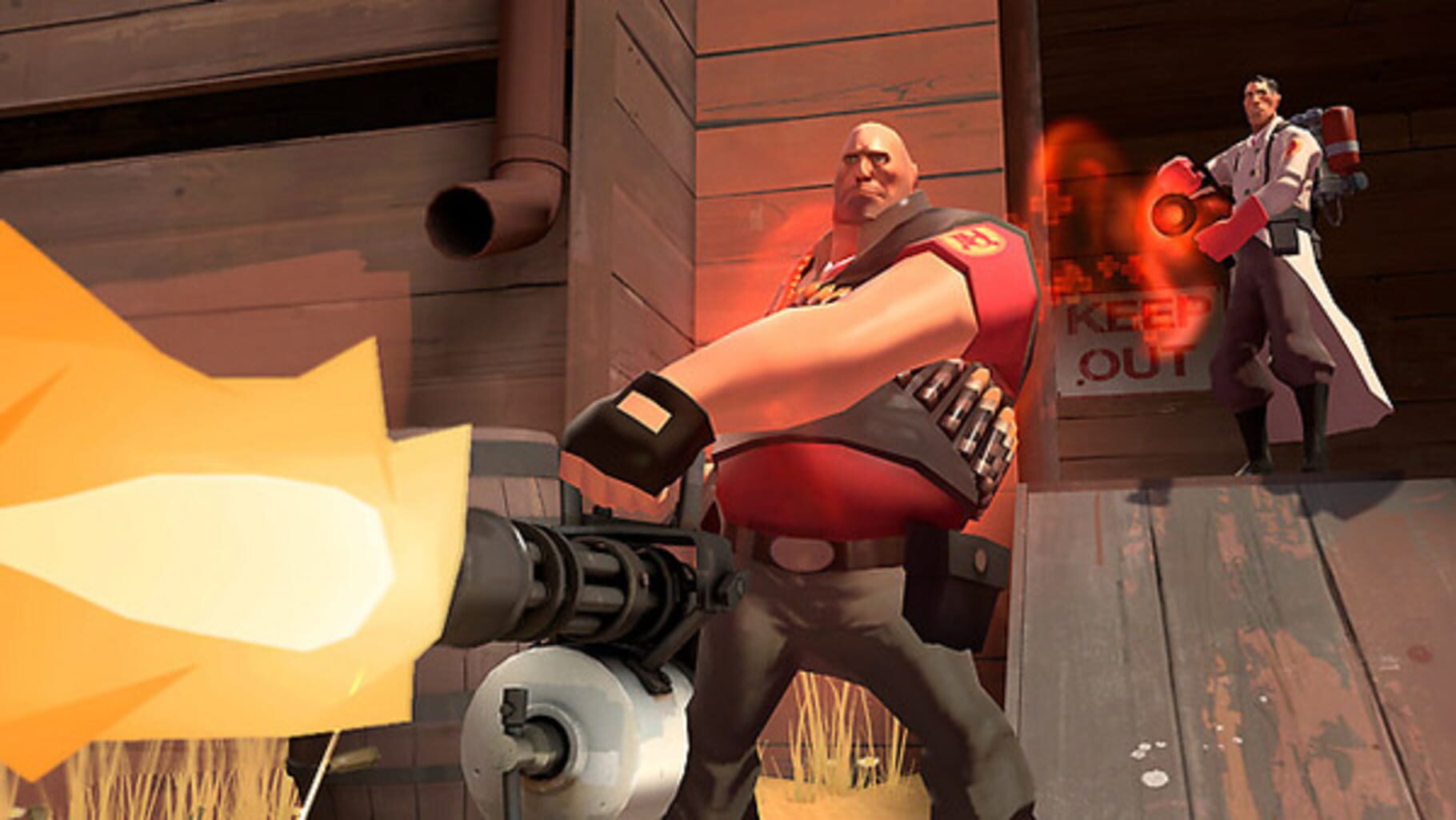
The game itself is cartoony violence—blood and dismemberment, sure, but in a Looney Tunes way. The real danger is the community. Multiple parent reviews explicitly warn about unmoderated voice chat, barely censored text, and player-created content that can be wildly inappropriate. One Steam parent flatly said 'Do not let your child play this game.'

If you have a mature teen (15-16+) who can handle toxic online spaces, knows to mute chat, and won't internalize the garbage they hear, maybe. But honestly, there are better team shooters with actual moderation. And for younger kids? This is a 2007 game that feels like it—most modern kids will find it clunky and dated anyway. Pass.

Age Fit

The ESRB would likely rate this M for Mature (17+) due to blood and violence, though the cartoon style makes it less intense than realistic shooters. The bigger issue is the toxic, unmoderated online environment. If you're considering this for a teen 14+, you need to have serious conversations about muting chat and handling online toxicity. For younger kids, it's a hard pass.

WISE Breakdown
Wholesome
58

The cartoony violence and humor are stylized rather than realistic, and the class-based teamwork encourages cooperation. However, the unmoderated voice chat and barely censored text chat create a toxic environment where kids are exposed to profanity, slurs, and inappropriate content from other players. The game itself has a playful tone, but the community interaction significantly undermines any wholesome qualities.

Imaginative
72

Nine distinct character classes with unique abilities encourage tactical thinking and creative problem-solving. The constant updates with new maps, modes, and equipment keep gameplay fresh. The stylized art direction and personality-driven characters create a memorable world. However, it's fundamentally a competitive shooter with prescribed roles rather than open-ended creative expression.

Safe
35

Major safety concerns dominate. Web search results explicitly warn about unmoderated voice chat, barely censored text chat, and unmoderated sprays/signs that can display inappropriate content. The cartoony violence includes blood, dismemberment, and decapitation (via taunts), though it's not realistic. The game's online nature with 'users interact' enabled means kids are exposed to whatever other players say or display, with minimal protection. One parent review flatly stated 'Do not let your child play this game.'

Enriching
48

Team Fortress 2 does require strategic thinking, teamwork, and learning different playstyles across nine classes. It can teach coordination and tactical decision-making. However, the enrichment is limited to mechanical gaming skills and basic team coordination. The toxic community environment actively undermines any positive social learning, and there's no meaningful narrative or ethical dimension to engage with.

Parent Info

Why It Might Be Great

  • Nine distinct character classes teach strategic thinking and encourage finding your playstyle
  • Emphasizes teamwork and coordination rather than lone-wolf gameplay
  • Stylized cartoon violence is less disturbing than realistic military shooters
  • Free-to-play with no predatory loot boxes or pay-to-win mechanics
  • Still actively played with a dedicated community nearly two decades later

What to Watch For

  • Unmoderated voice chat and barely censored text chat mean your kid will hear slurs, profanity, and worse
  • Player-created sprays and signs can display inappropriate images
  • Cartoony but explicit violence includes blood splatter, limb removal, and decapitation
  • Competitive online environment can be toxic and frustrating for younger players
  • Graphics and gameplay feel dated compared to modern shooters—may not hold kids' interest

Conversation Starters

  • "Which class do you like playing and why? What makes it fun?"
  • "Have you run into any mean or inappropriate stuff in chat? What did you do?"
  • "What makes a good teammate in this game? How do you work together?"
  • "Is the violence in this game different from real violence? How does the cartoon style change things?"

Deep Dive

The grandfather of the "Hero Shooter"

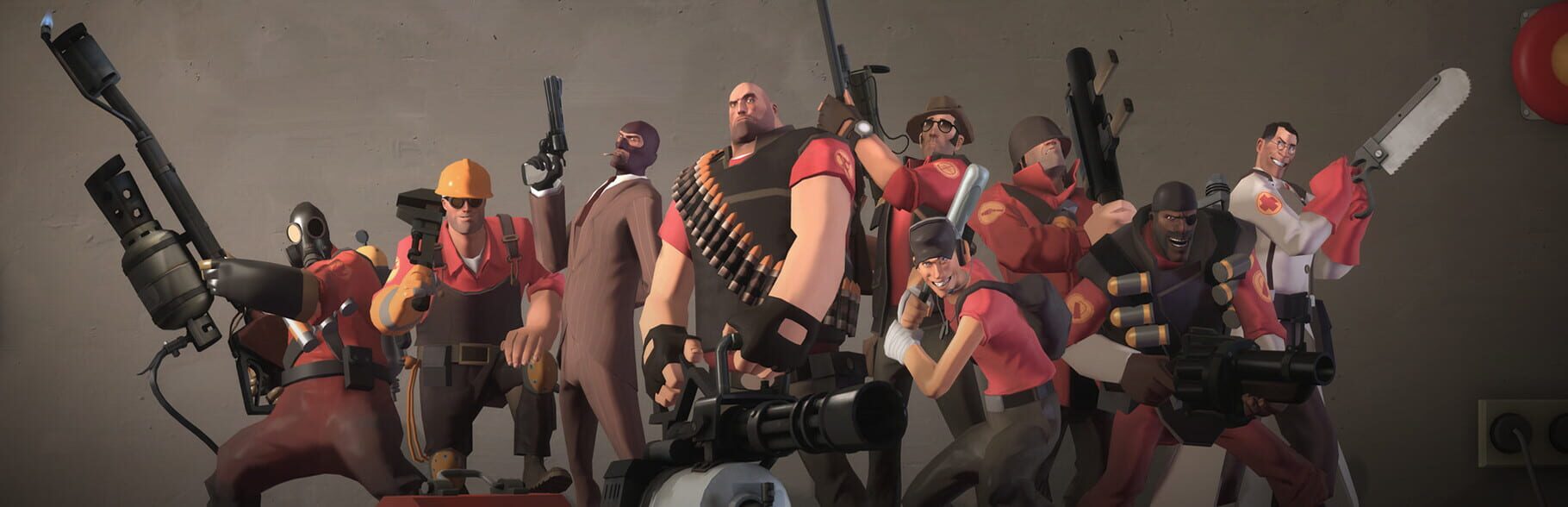
If your kid is obsessed with Overwatch or Valorant, they are playing the direct descendants of Team Fortress 2. Even in 2026, this game remains the blueprint for how class-based shooters work. It isn't just about who has the fastest aim; it’s about how a team balances different roles. If your child is the type who likes to build and strategize rather than just run-and-gun, they will likely gravitate toward The Engineer. It’s a specific kind of fun that rewards thinking three steps ahead of the enemy.

The game has a high critic score on sites like IGDB because the mechanics are nearly perfect. Each of the nine classes feels distinct, and the "rock-paper-scissors" balance means there is always a way to counter a dominant player. For a kid moving from Roblox to Steam, this can feel like a massive step up in quality and depth.

The "Wild West" of 2007

The biggest hurdle isn't the gameplay; it's the fact that this game is a digital time capsule. Because it was released in 2007 and is now a free-to-play legacy title, it lacks the aggressive, AI-driven chat moderation you find in modern hits like Fortnite. When you step into a public match, you are entering a space where the community polices itself—which is to say, it often doesn't.

You should expect to see custom "sprays" (images players can plaster on walls) that the developers haven't vetted. These can be anything from memes to highly inappropriate imagery. The voice chat is equally unpredictable. While you can find community servers with strict rules and great vibes, the "official" matchmaking can be a coin flip between a fun time and a lobby full of people you’d never want your kid talking to.

How to play it anyway

If your teen is dead-set on playing because of the memes or the "hat" culture mentioned in the game's synopsis, you don't necessarily have to lock the door. You just need to use the tools available.

  1. Use the "Mute All" function immediately. The game is perfectly playable without hearing a single word from a stranger.
  2. Stick to "Community Servers" with active mods. These are often listed in the server browser with tags like "Family Friendly" or "No Slurs."
  3. Familiarize yourself with Steam and its family safety settings. You can't filter the specific in-game sprays, but you can manage how much time they spend in these unmoderated "Wild West" environments.

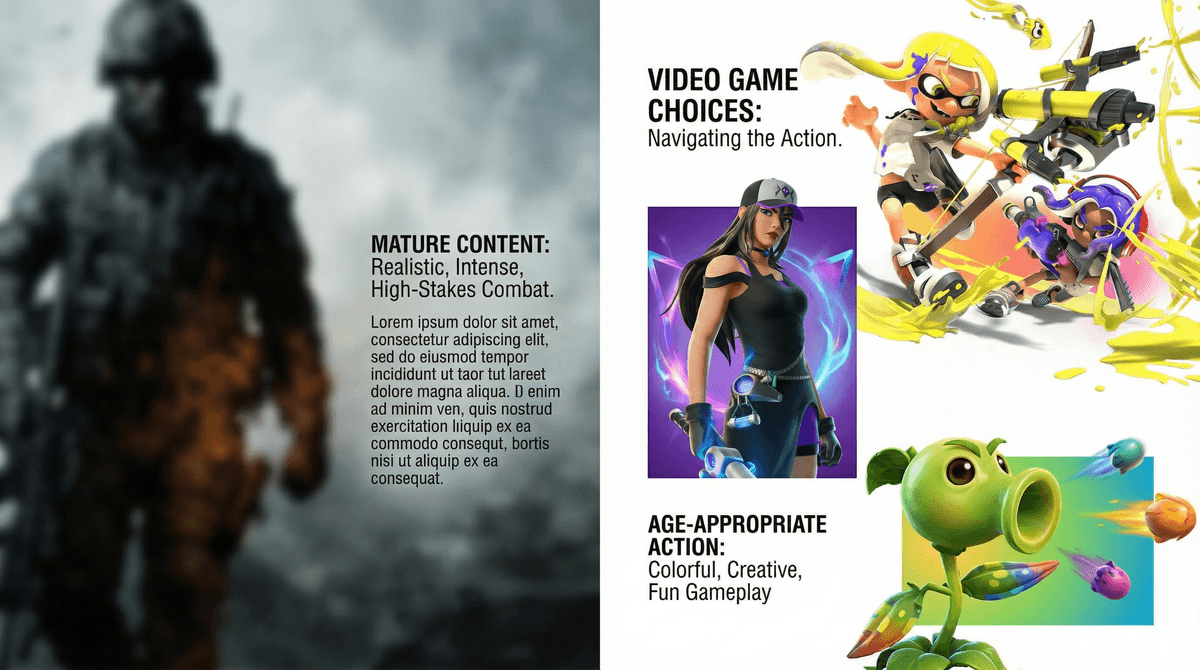
If the community aspect sounds like too much of a headache, look for age-appropriate alternatives to Battlefield for 10-12 year olds. You’ll get the same team-based tactical itch scratched without the 2007-era toxicity. TF2 is a classic for a reason, but it requires a level of maturity and "internet-smartness" that not every kid has developed yet.

Ask Anything

Get a personalized guide on any topic