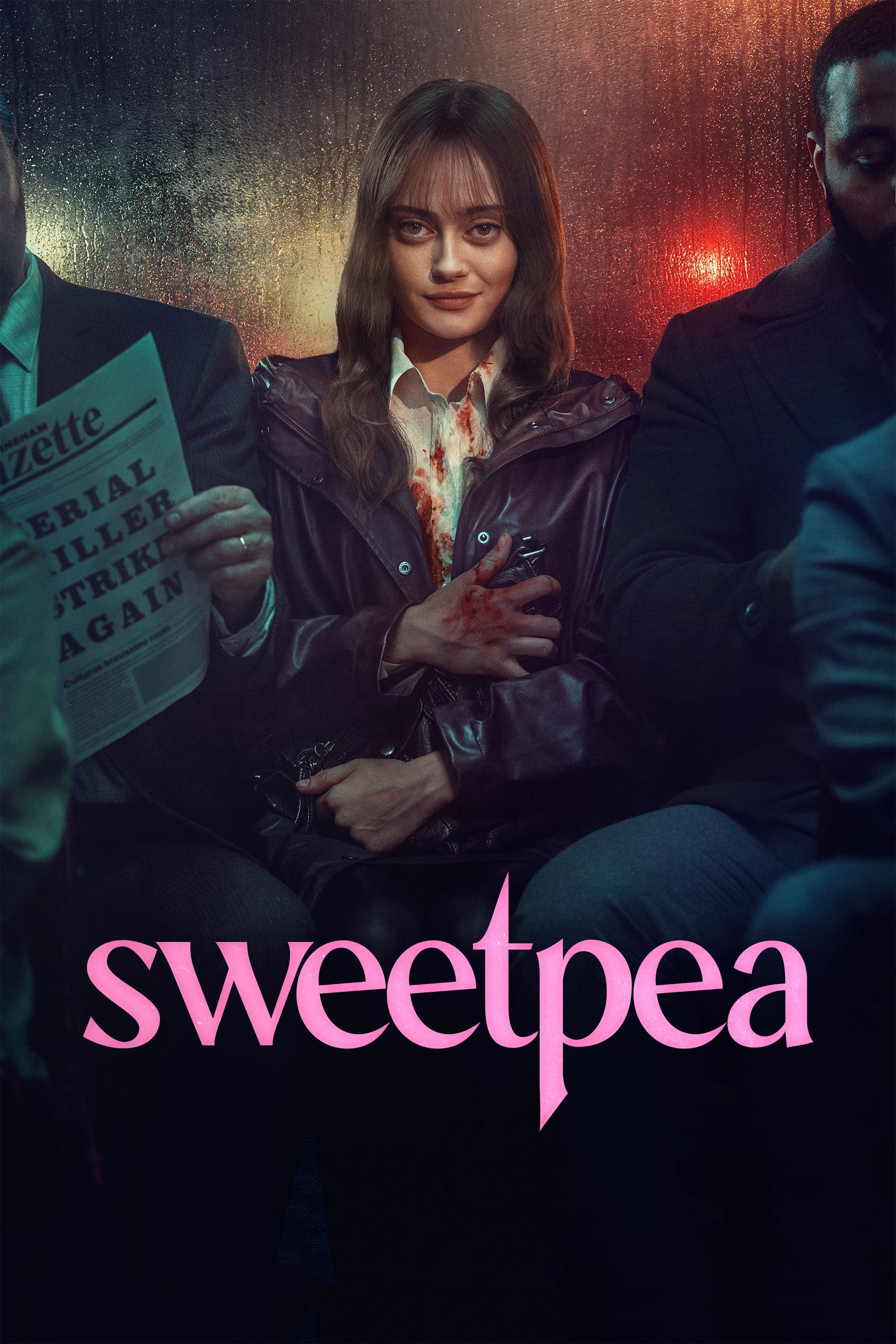
Rhiannon Lewis is a ghost. Not the literal kind, but the kind that gets bumped into at the grocery store without an apology. Sweetpea takes that universal feeling of being overlooked and turns it into a weapon. It’s a revenge fantasy that trades the slick, neon aesthetics of something like John Wick for the damp, gray reality of British suburbia.
The Purnell Powerhouse
If you are coming to this show, you are coming for Ella Purnell. She has a specific ability to look entirely fragile and deeply predatory at the same time. While the show features a solid supporting cast, it lives and dies by her performance. There is a specific kind of uncomfortability in watching her navigate the world before she snaps. You see the micro-aggressions of her coworkers and the blatant dismissal by her peers, and the show asks you to sit in that misery. It is not "fun" in the traditional sense, but it is compelling.
Why the Split Scores?
The gap between the high critic score and the lower audience score usually tells a story. Critics generally loved the stylistic choices and the subversion of the serial killer genre. Audiences, however, seem more frustrated by the pacing. This is not a show where someone dies every ten minutes to keep the plot moving. It is a slow-motion car crash of a mental health crisis. If you go in expecting a high-octane thriller, you will likely find it sluggish. If you go in expecting a character study about what happens when a person is pushed past their breaking point, it lands much better.
Comparing the Carnage
If you liked Killing Eve, you will recognize the DNA here, but Sweetpea is much more grounded in resentment. Where Villanelle was a flamboyant professional, Rhiannon is a messy amateur. It feels like the spiritual successor to Fleabag if the protagonist decided to stop talking to the camera and start picking up a knife instead. It captures that same "female rage" energy but pushes it into a much more violent territory. You can see more about how the show adapts its source material in the Variety review.
The "Watchability" Factor
There is a specific friction in the writing. It wants to be a comedy, but the humor is so dry it is almost parched. You might find yourself laughing at a scene and then immediately feeling bad about it. That is the point. It reflects the danger of untreated trauma and the way society ignores people until they become impossible to ignore. It is a bleak watch, but for the right viewer, that is exactly why it works. Just do not expect a clean resolution or a hero to root for. Everyone in this world is at least a little bit broken.