Platform availability info not available. Search for "Street Fighter II" on your preferred gaming platform.
Screenwise Verdict
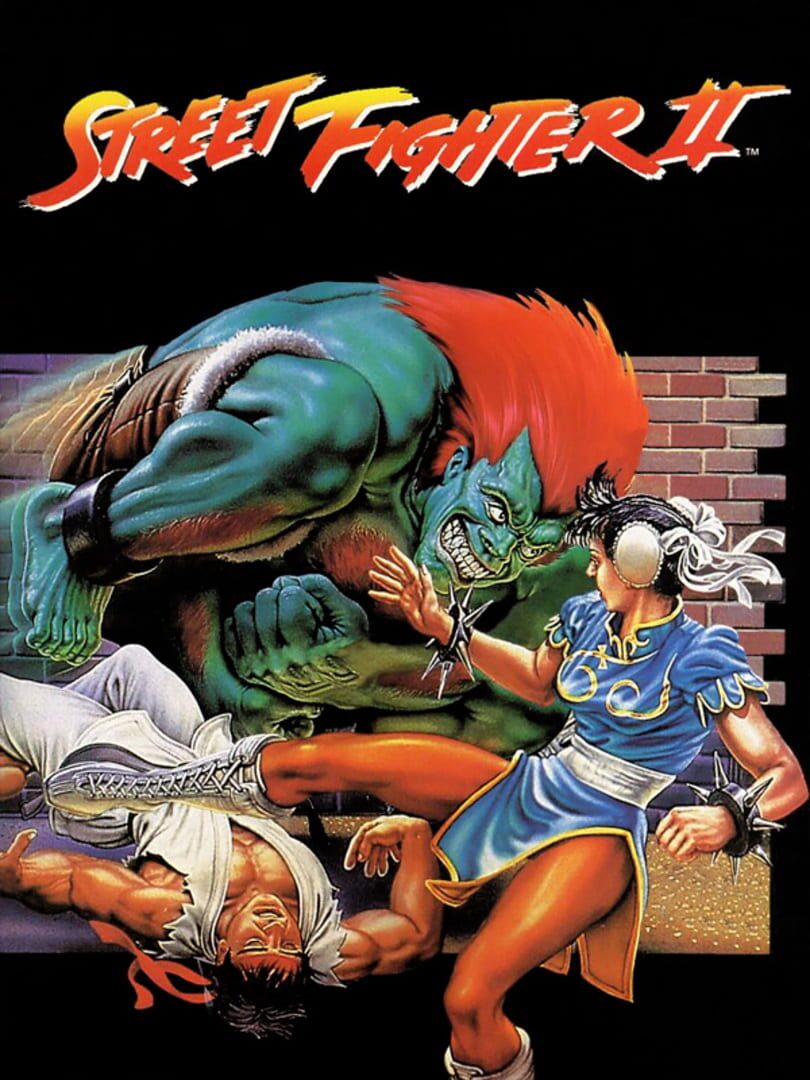
Street Fighter II is legitimately one of the most important video games ever made—it basically invented competitive fighting games as we know them. The combo system, diverse characters, and skill ceiling were revolutionary.
But let's be real: this is a 1991 arcade game. The graphics are chunky pixels, the controls feel stiff by modern standards, and unless your kid has a genuine interest in gaming history or retro titles, they're probably going to play for ten minutes and wander off to Fortnite.
The violence is mild and cartoonish with some brief blood, earning it an E rating. No predatory monetization, no chat toxicity, just pure skill-based competition. If you've got a kid who's into fighting games or you want to share a piece of your childhood, it's a solid choice. Just manage expectations—this plays like a museum piece, not a modern blockbuster.
Age Fit
Best for kids 8+ who can handle stylized fighting and brief blood without distress. Teens and adults with nostalgia will appreciate it most, but modern kids without that context may find it boring and clunky compared to contemporary games.
WISE Breakdown
Wholesome
62
One-on-one competitive fighting with some blood and bruises shown after matches. Characters like Zangief and Blanka have bite attacks with visible blood. The violence is cartoonish and stylized rather than realistic, and there's no profanity or sexual content beyond some mildly revealing character outfits. It's competitive but not mean-spirited—players respect the fight.
Imaginative
78
Revolutionary for its time with diverse international characters, each with unique fighting styles and special moves. The combo system and move canceling opened up creative expression in gameplay. Bonus stages (car-smashing, barrel-breaking) added variety. While it doesn't offer building or open exploration, it rewards experimentation and mastery of complex move sets.
Safe
71
ESRB rated E for Everyone with Animated Violence. Blood appears briefly in some attacks (bites) and post-match cutscenes show bruises. No chat features, no in-game purchases, no loot boxes. Users interact only in direct local multiplayer. The violence is expected and consistent—no surprise content. Arcade version has no modern predatory monetization, though it was designed to eat quarters.
Enriching
68
Teaches pattern recognition, timing, strategic thinking, and hand-eye coordination. The combo system rewards practice and mastery. Competitive play builds resilience and sportsmanship. However, it's primarily about entertainment and competition rather than narrative depth or emotional growth. Minimal educational value beyond motor skills and strategic thinking.
Parent Info
✓
Why It Might Be Great
Genuinely important piece of gaming history that defined the fighting game genre for decades
Eight diverse characters with distinct fighting styles reward experimentation and skill development
Clean competitive framework teaches pattern recognition, timing, and strategic thinking
Local multiplayer creates genuine social interaction without toxic online elements
No modern monetization garbage—just pure skill-based gameplay
⚠
What to Watch For
Brief blood appears during bite attacks and in post-match bruising scenes—cartoonish but visible
Designed to eat quarters in arcades, so difficulty ramps up to keep you pumping coins
Some character designs feature revealing outfits (Chun-Li, Cammy in later versions)
Graphics and controls feel genuinely dated—modern kids may struggle to engage without nostalgia factor
Conversation Starters
"Which character's fighting style do you think would actually work in real life?"
"Why do you think this game became so popular that people still play it 30+ years later?"
"How does it feel to lose a match? What strategies help you improve instead of getting frustrated?"
"The characters come from all over the world—what do you notice about how they're portrayed?"