Finding a mobile game in the mid-2020s that doesn't feel like a digital casino is a chore. Most "free" games are just delivery vehicles for ads or $99 currency packs. Stranger Things: 1984 is a weird, wonderful relic because it’s a complete experience. It’s essentially a love letter to the top-down adventure games of the SNES era—think The Legend of Zelda, but with more 80s hair and government conspiracies.
The "Zelda-lite" rhythm
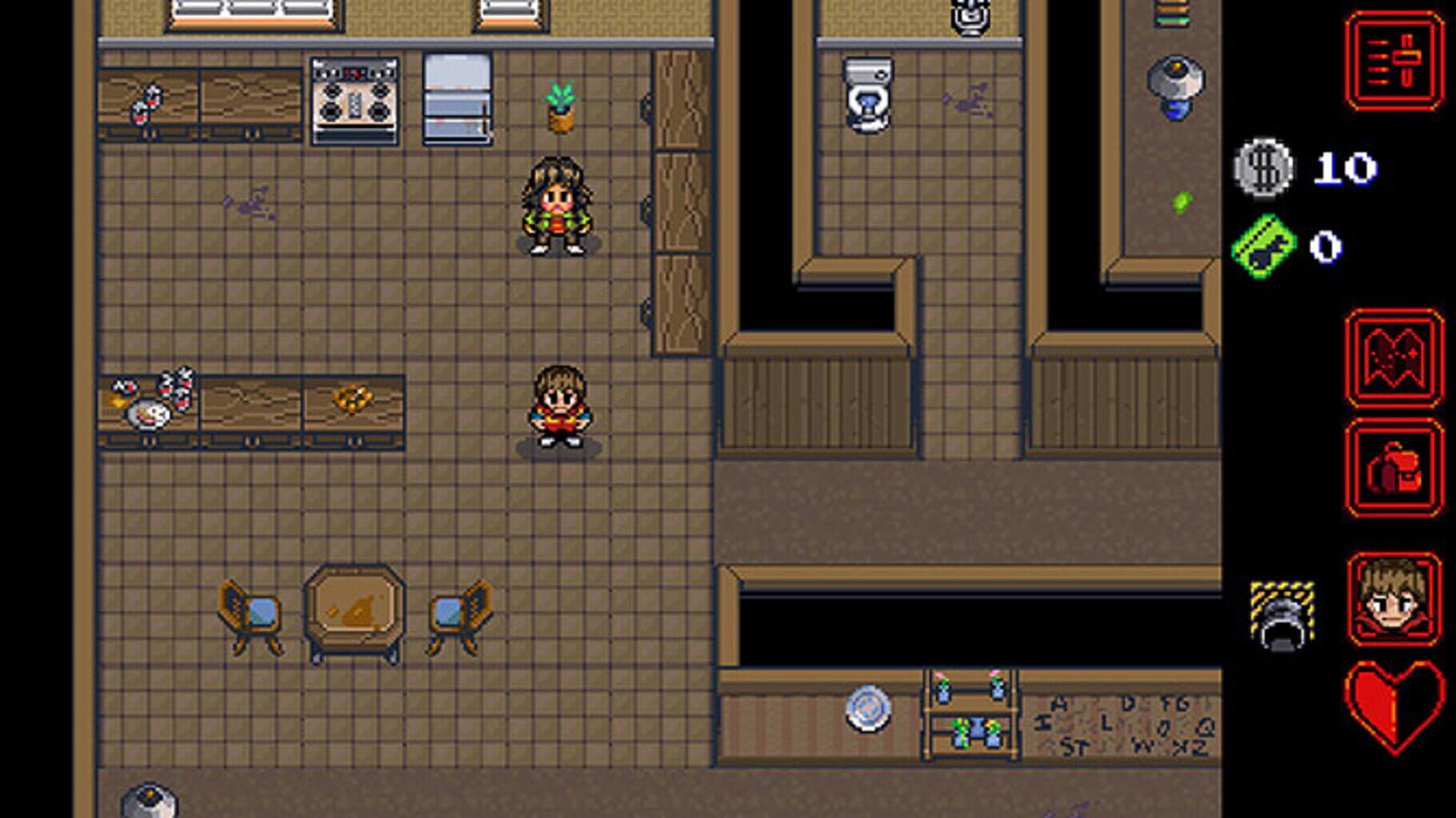
The game works because it focuses on a "lock and key" mechanic using the cast's specific abilities. You aren't just mashing buttons; you're figuring out that Lucas’s Wrist Rocket is the only way to hit a distant switch, or that Nancy needs to smash through a barrier with her bat. It’s a great way to introduce younger players to basic dungeon-crawling logic without the steep difficulty curve of a hardcore RPG.
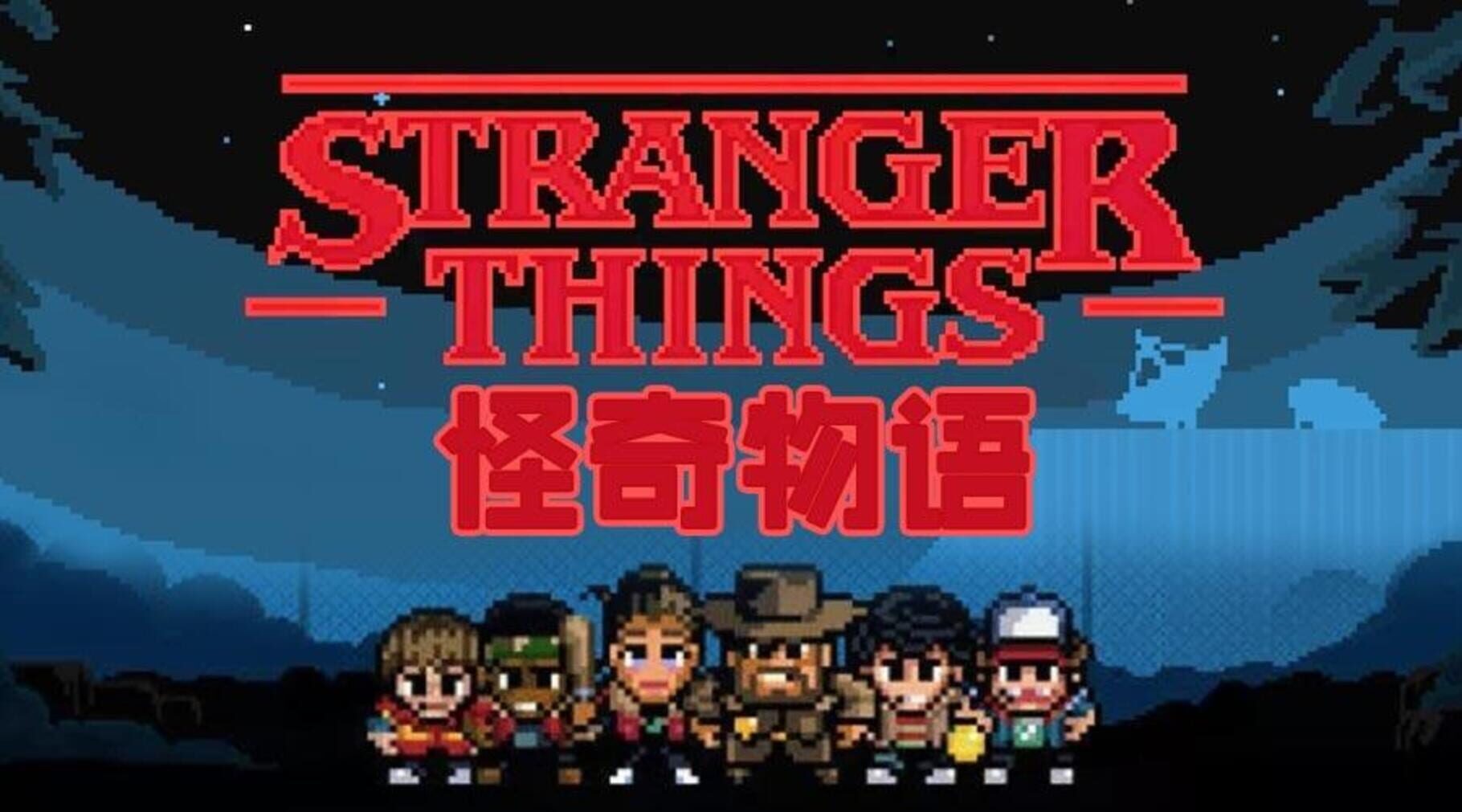
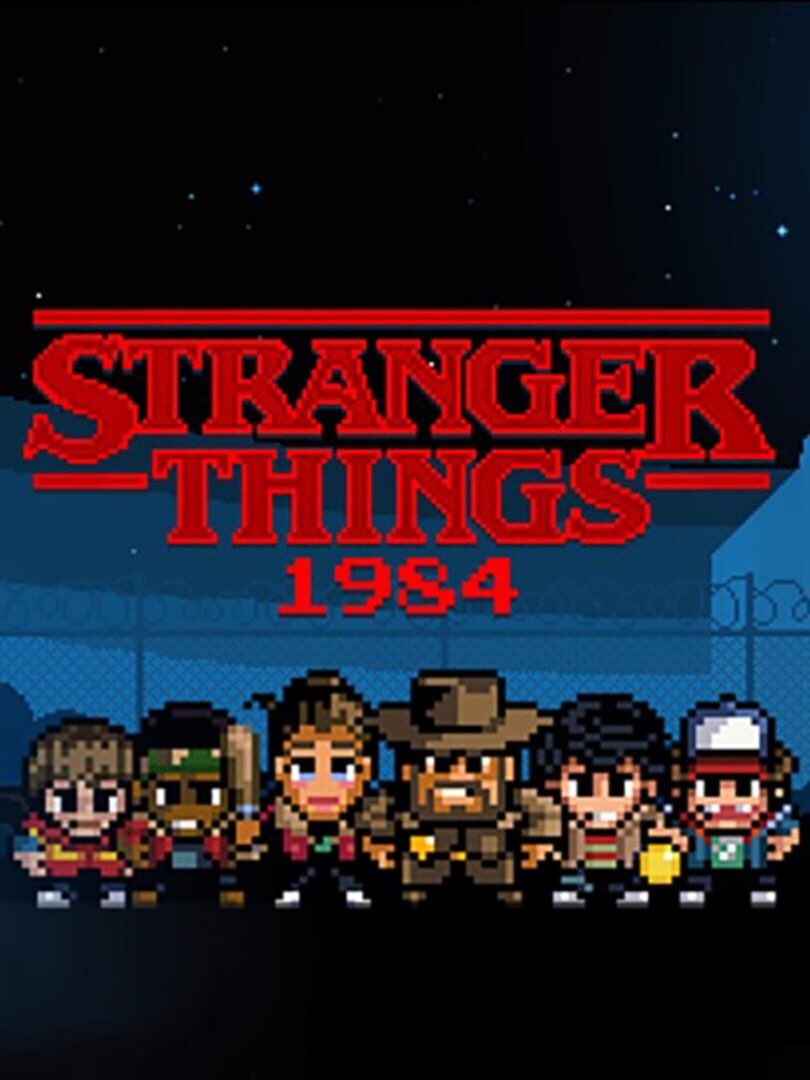
If your kid is used to the high-fidelity chaos of modern consoles, the 16-bit graphics might look "bad" to them at first. But for fans of the show, the charm is in the details. Seeing a pixelated Mirkwood Forest or the Hawkins Lab feels like a reward. It’s a rare instance where a licensed tie-in actually understands the source material instead of just slapping a logo on a generic template.
Why it’s hiding in your Netflix app
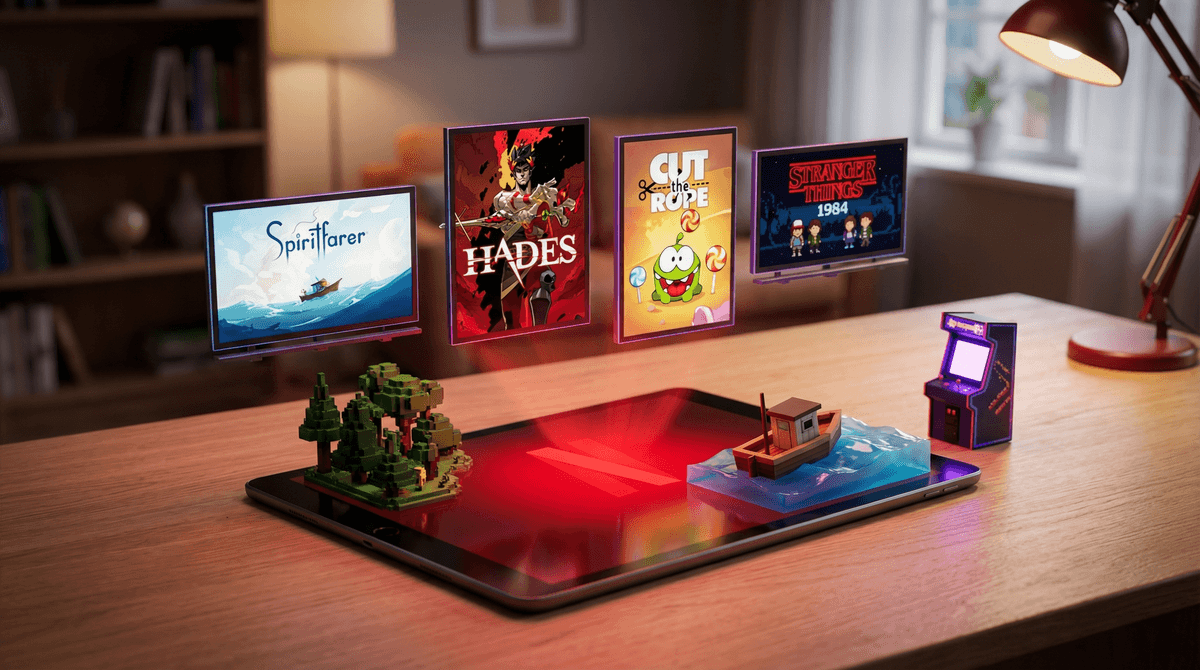
You won't find a "Buy" button for this on the App Store anymore. It’s now part of the Netflix Games library, which means if you have a Netflix subscription, you already own it. This is arguably the best way to play it because it strips out the traditional mobile gaming friction. There are no "energy bars" that force you to stop playing and no pop-ups asking for a credit card.
For parents, this makes it a safe travel game. You can hand over a tablet during a long flight knowing they won't accidentally spend money on "Eggo Gems." If they finish this and want more Hawkins lore, you might consider looking into the Stranger Things prequel novels, though be warned: those books deal with much heavier themes than this pixelated adventure.
The horror, filtered
One of the biggest questions parents ask about this franchise is whether the "scary stuff" is too much. In the show, the body horror is visceral. In Stranger Things: 1984, the 16-bit art style acts as a buffer. When a monster explodes into a few red pixels, it’s far less traumatic than seeing it in 4K CGI.
It’s the perfect on-ramp for a kid who wants to feel part of the Stranger Things cultural moment but isn't quite ready for the show's more intense jump-scares. It captures the mood of the Upside Down—the sense of mystery and slight dread—without the nightmare-inducing visuals. If you're trying to figure out where this fits in the broader ecosystem of Stranger Things games, think of it as the entry-level experience: accessible, smart, and genuinely fun.