The branding shuffle
If you grew up playing Harvest Moon, you might be confused why this looks exactly like those games but carries a different title. It’s a licensing quirk that has left a lot of parents scratching their heads at the game store. To get the full backstory on why the name changed and which series is the "real" one, check out The Harvest Moon Name Game.
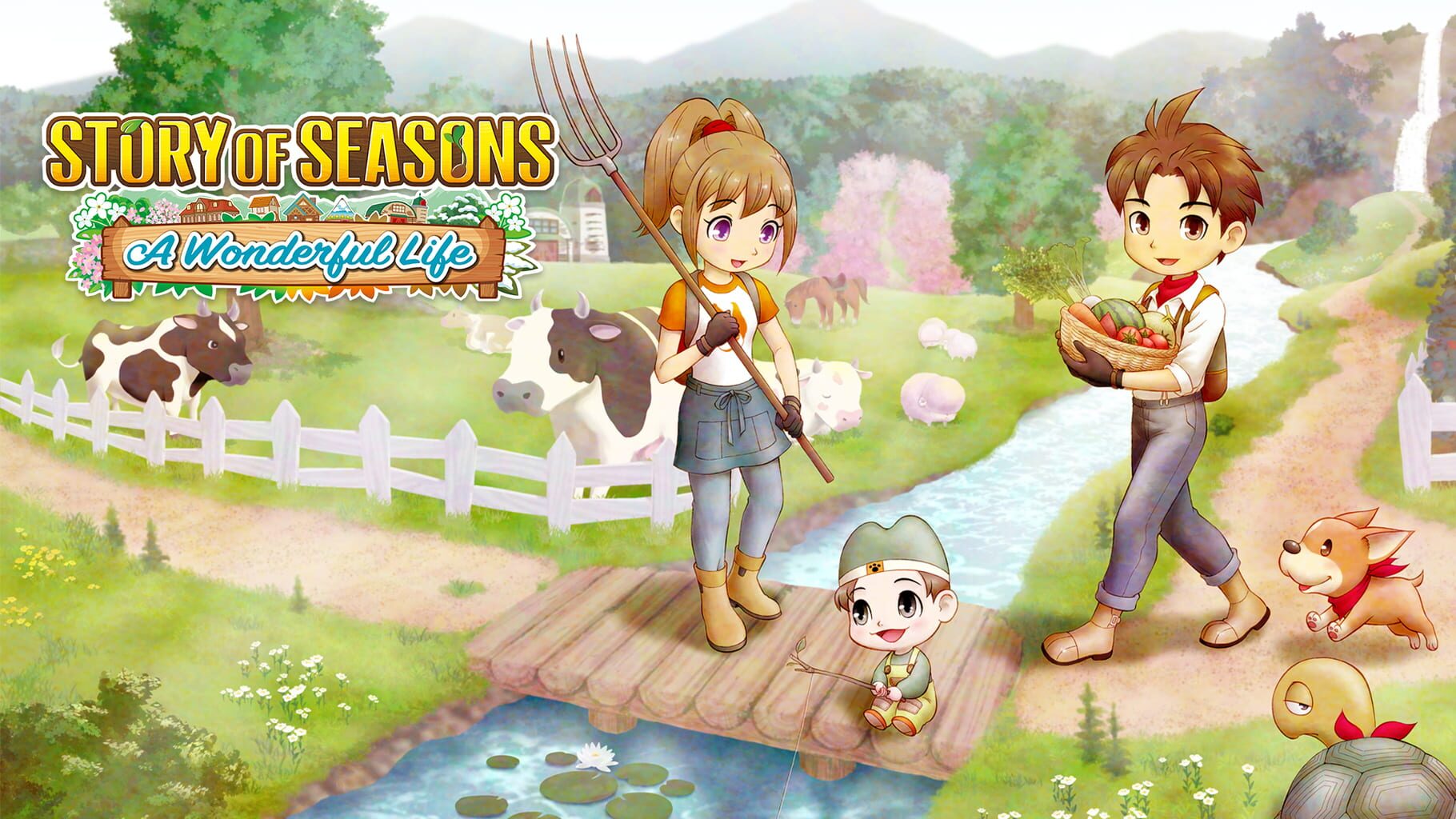
The short version: Story of Seasons is the continuation of the original series you likely remember. This specific entry is a remake of a classic title, updated for modern consoles like the Switch and PS5. It keeps the soul of the original intact, which is both its biggest strength and its most obvious weakness.
Why the "meh" reviews?
That 63.5 IGDB score might look alarming for a game that looks this cute. It isn’t a reflection of bugs or bad design; it’s a reflection of pacing. Most modern games—even "cozy" ones—are designed to give you a constant drip-feed of rewards. This game doesn't care about your dopamine levels. It moves at the speed of a tractor in low gear.
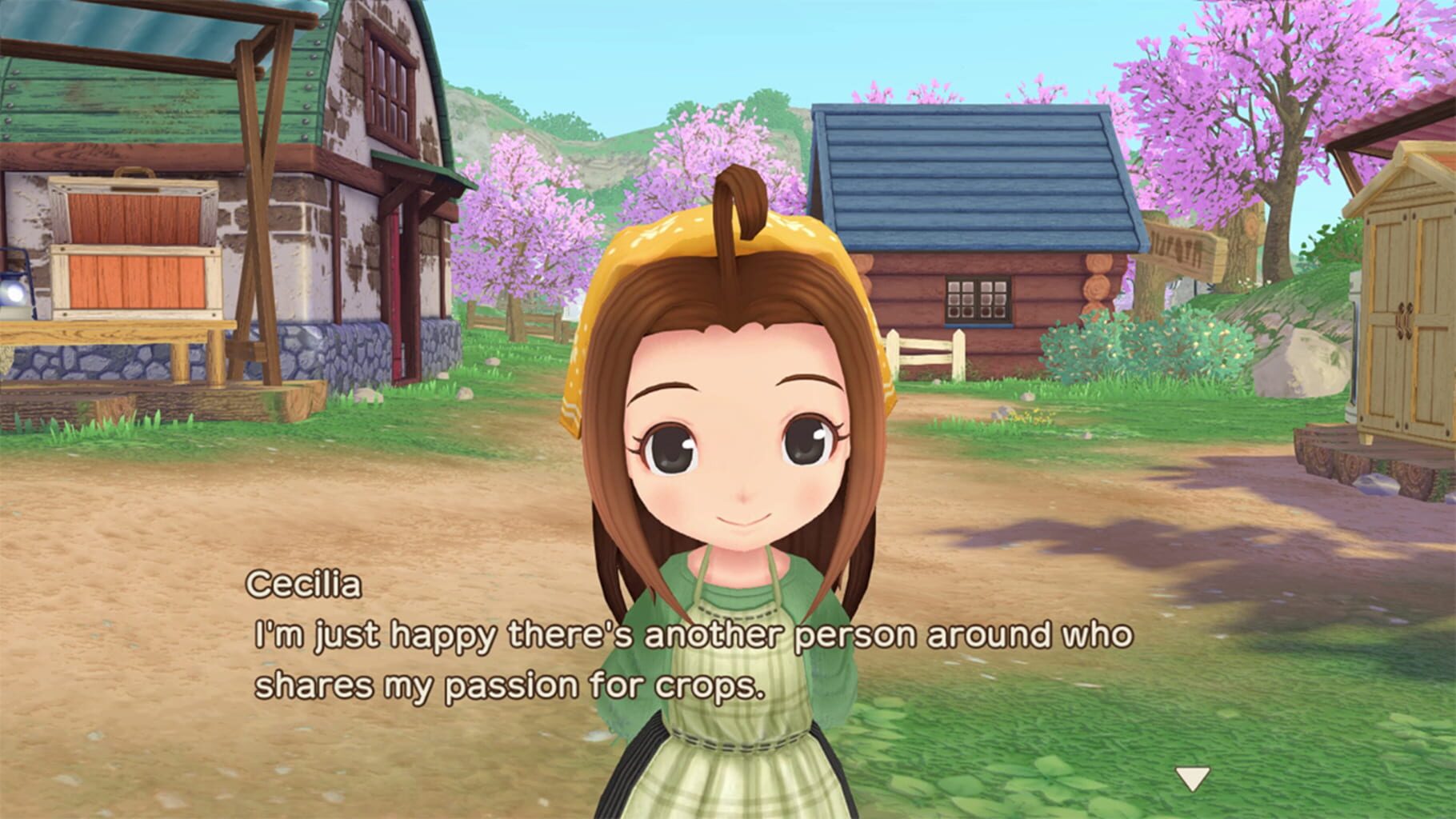
In Forgotten Valley, the days are long and the seasons are short. You aren't going to unlock a massive new wing of your house every week. You’re going to water your tomatoes, brush your cow, and talk to the guy who lives in a tent. For a kid who thrives on the high-intensity chaos of Roblox or Fortnite, this will feel like homework. But for a kid who wants a world they can actually live in for a while, the slow burn is the point.
The legacy loop
The "A Wonderful Life" subtitle isn't just marketing fluff. Unlike most farming sims where you stay a perpetually young adult while the world stays frozen in time, this game is about aging.
You start as a young person arriving at the farm, but the game is divided into chapters that span decades. You choose a partner, you have a child, and you watch that child grow from a toddler into an adult. Your character gets gray hair. The townspeople age. This creates a unique emotional weight that other games in the genre lack. It’s a fantastic way to introduce the concept of how digital farming builds real-world time management and long-term consequences. If your kid ignores their child to spend all day in the mines, that child might grow up to be a moody adult who doesn't like the farm. It’s a rare instance of a game rewarding emotional investment over just clicking buttons.
Is it better than Stardew?
This is the question every parent asks. Stardew Valley is the gold standard because it has everything: combat, deep crafting, and endless secrets. Story of Seasons: A Wonderful Life is much more focused. There is no combat. The crafting is simple.
Think of it this way: Stardew is a sprawling theme park where you’re always busy. A Wonderful Life is a quiet summer at a lake house. If your kid found Stardew too stressful or overwhelming with its ticking clock and deep caves, this is the perfect antidote. It’s a game that asks you to slow down and notice the way the light changes in the valley. It’s not better or worse; it’s just a different frequency. Just make sure they know what they're signing up for before they start their first season.