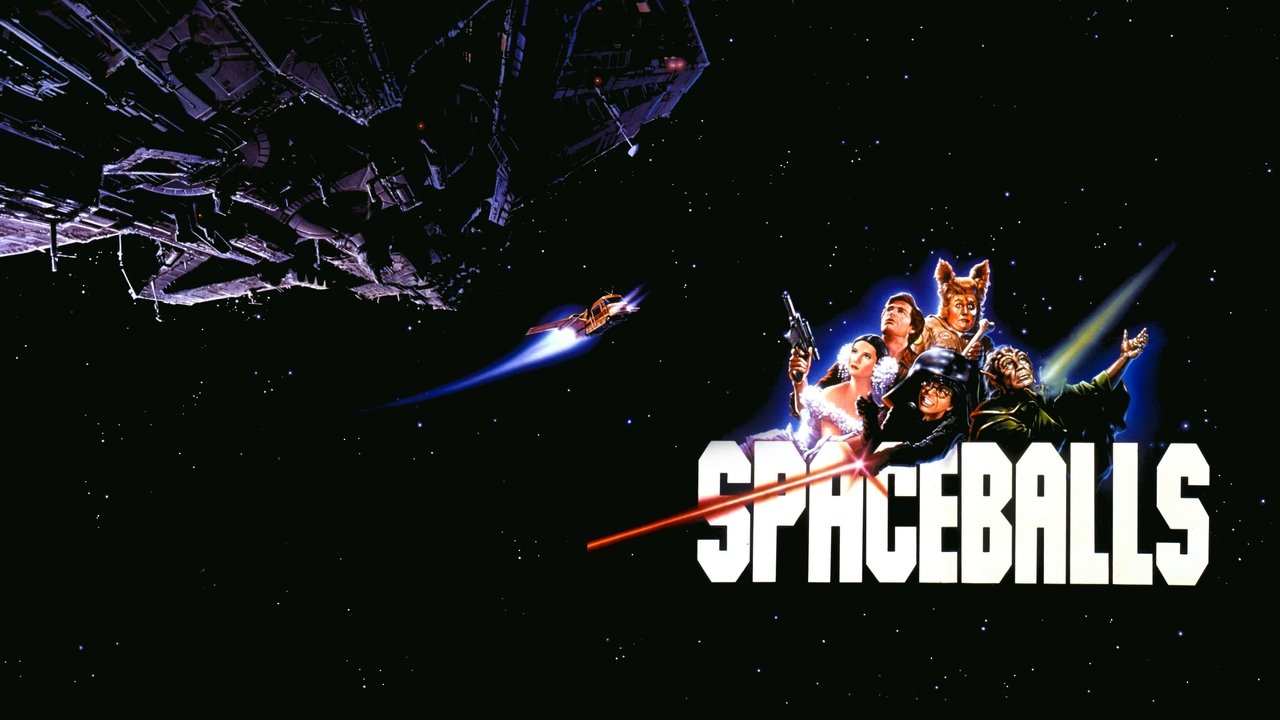
The "Search for More Money" is now a prophecy
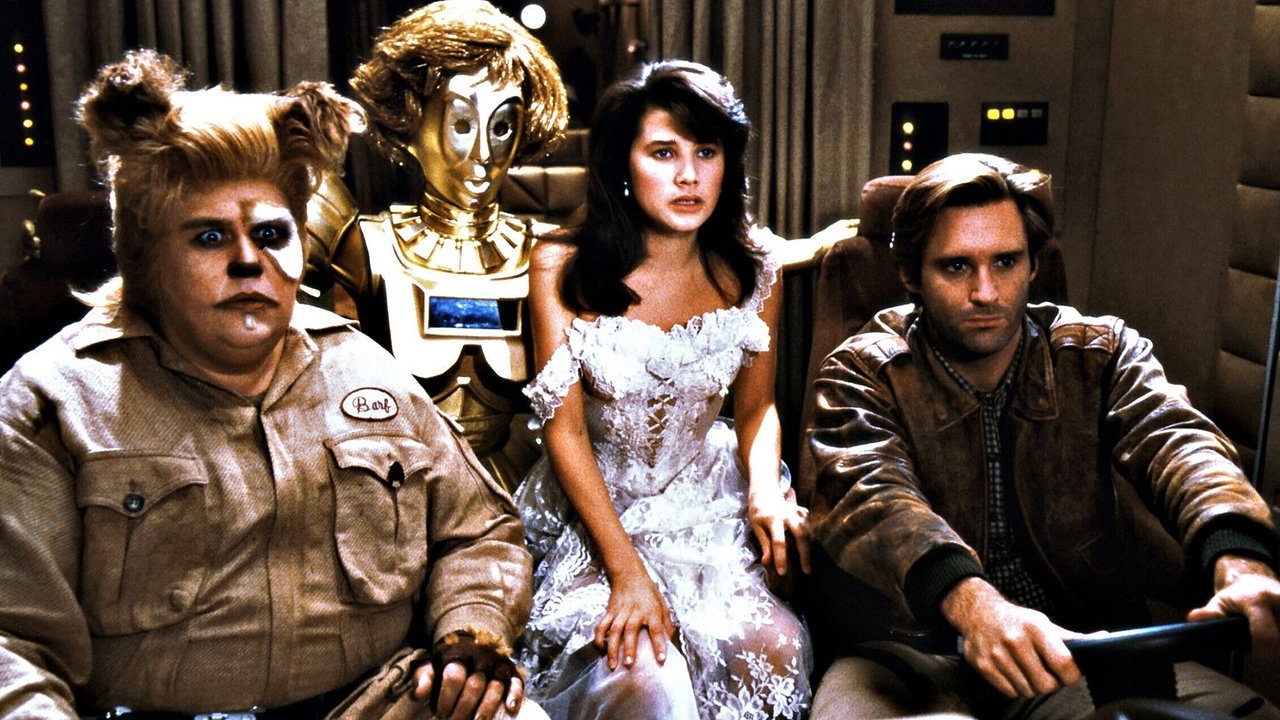
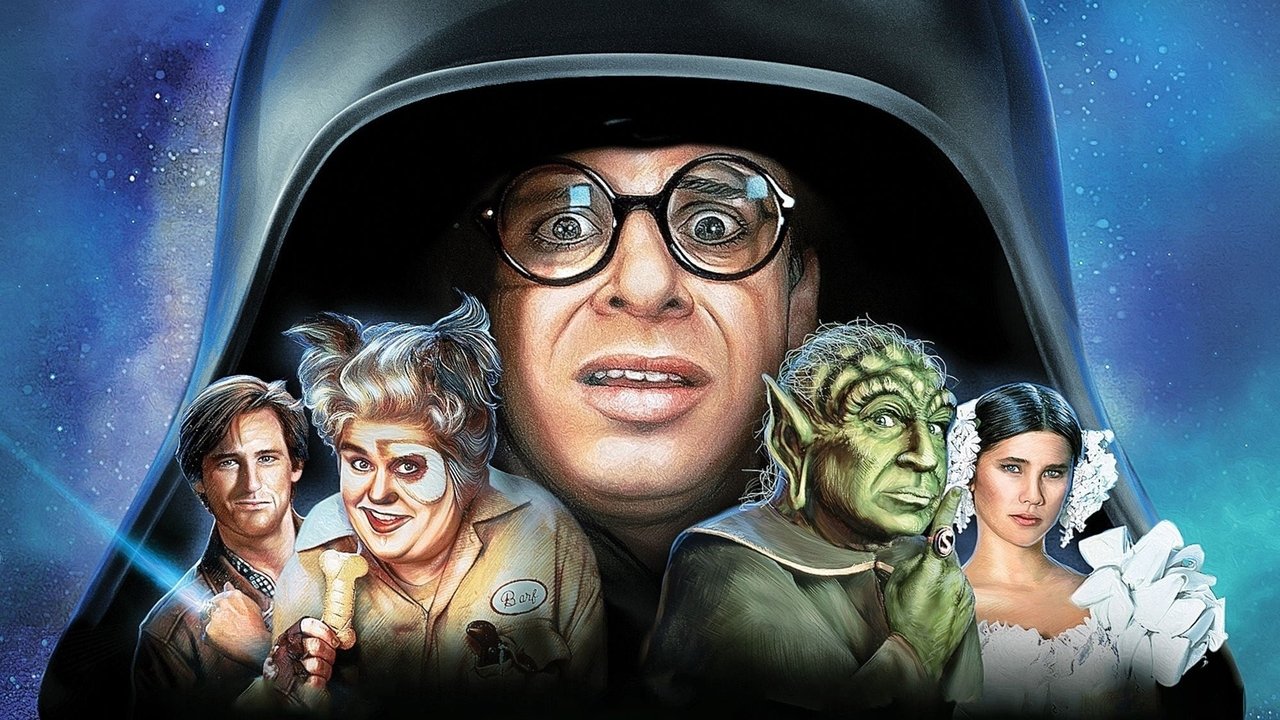
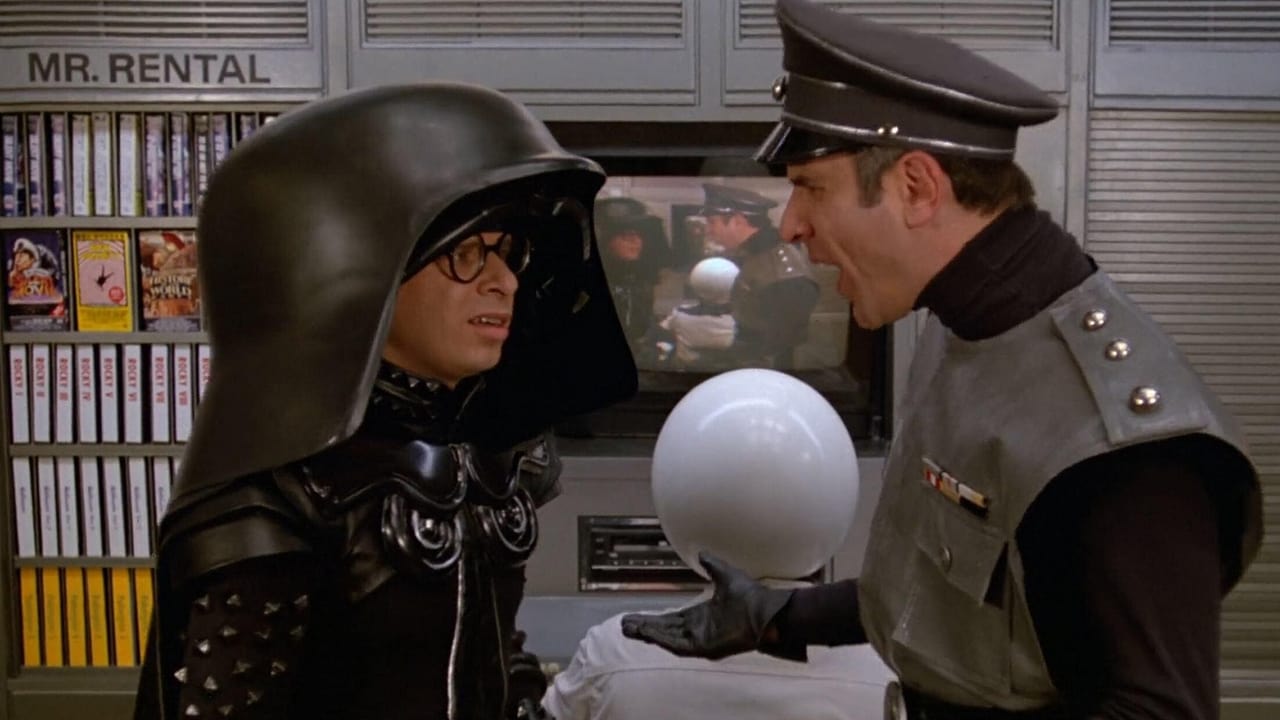
The most famous joke in this movie involves Yogurt—the spoof of Yoda—breaking the fourth wall to show off a room full of Spaceballs branded lunchboxes, towels, and shaving cream. He calls it "the search for more money." In 1987, this was a biting jab at George Lucas. Today, it’s just the standard operating procedure for every franchise on Earth.
With Mel Brooks hitting his centennial and the long-promised Spaceballs: The New One finally becoming a reality, that cynical joke has come full circle. If you’re planning to take the family to the new one, the original is mandatory viewing, but go in knowing that the satire has aged much better than the slapstick. The meta-commentary on how movies are just commercials for plastic toys is still sharp, even if your kid has never seen a lunchbox that wasn't digital.
The Star Wars prerequisite
This is not a standalone film. If your kid hasn't seen the original Star Wars trilogy, do not press play on this. The movie doesn't just parody the vibes; it parodies specific shots, character beats, and plot holes. Without that context, the jokes about "the Schwartz" or the giant vacuum cleaner aren't just unfunny—they are confusing.
If they are Star Wars fans, this serves as a great entry point to The Parent's Guide to Mel Brooks. Brooks specialized in a very specific brand of "loving mockery." He clearly adores the things he’s making fun of, which makes the humor feel like an inside joke rather than a mean-spirited attack. It’s a useful way to show kids that you can love a piece of media while still admitting it has some ridiculous elements.
Friction for the digital native
You need to be prepared for the "tech gap." There is a famous scene where the villains pop a VHS tape into a player to watch the movie they are currently in so they can find the heroes. It’s a brilliant bit of meta-humor, but for a kid raised on streaming, the mechanics of a VCR—rewinding, fast-forwarding, and tracking—might require a brief history lesson.
The same goes for the pacing. Modern comedies are edited with a machine-gun rhythm. Spaceballs takes its time. There are long stretches where the characters are just walking through a desert or sitting in a cockpit. If your kid is used to the breakneck speed of modern animation, they might find these gaps boring. My advice: lean into the "event" feel of it. This isn't a movie to have on in the background; it’s one to watch together so you can explain the '80s tropes as they happen.
Beyond the parody
If your family finds the humor here lands well, you’ve opened a door to a much wider world of spoof cinema. But if the "virgin alarm" or the constant "asshole" puns feel a bit too crude for your current household vibe, that’s a fair signal to hold off. The audience scores on Rotten Tomatoes are high for a reason—people have deep nostalgia for this—but critics were much more mixed because, even in 1987, some felt the gags were a bit thin. Treat it like a time capsule: interesting, occasionally hilarious, but definitely a product of a different era.