The "Loudness" Factor
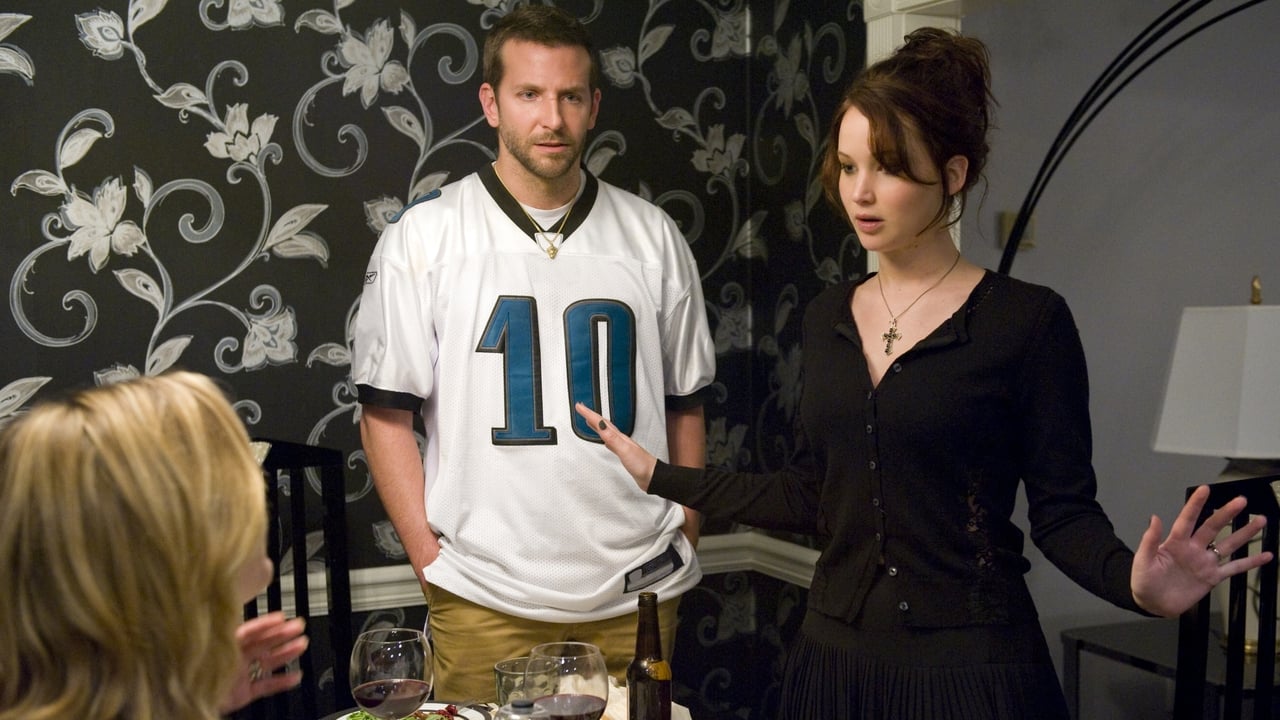
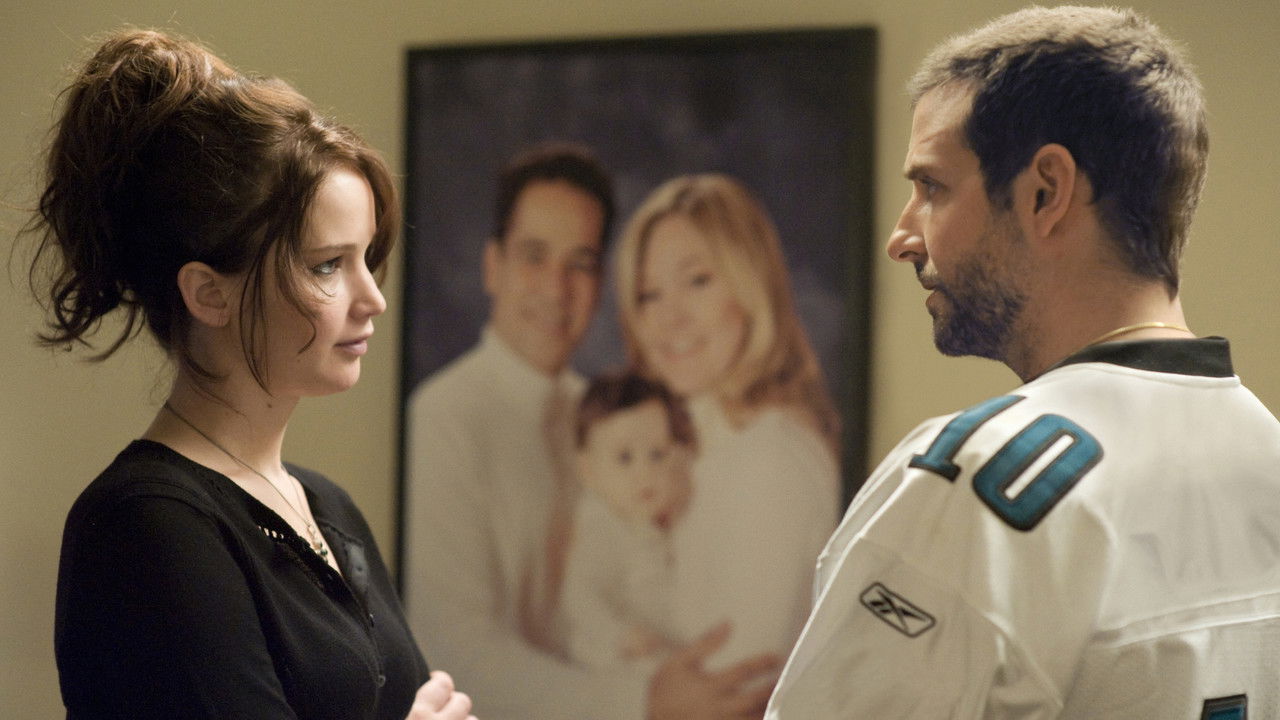
The first thing you’ll notice about Silver Linings Playbook is that it’s loud. Not in a "Michael Bay explosions" way, but in a "everyone is talking over each other at Sunday dinner" way. David O. Russell directs this with a jittery, restless energy that perfectly mirrors Pat’s headspace. It’s a movie that feels like it’s had one too many espressos.
If you’re watching this with a teenager, be prepared for the high-anxiety vibe. The movie doesn't just show you a manic episode; it tries to make you feel one. For a kid who prefers quiet, contemplative indies, this might be a sensory overload. But for the teen who feels like their own life is a series of chaotic misunderstandings, the frantic pace will feel like home. It’s one of the few films that captures how mental health struggles don't happen in a vacuum—they happen in living rooms with parents who have their own sets of "quirks" and superstitions.
A Rom-Com for People Who Hate Rom-Coms
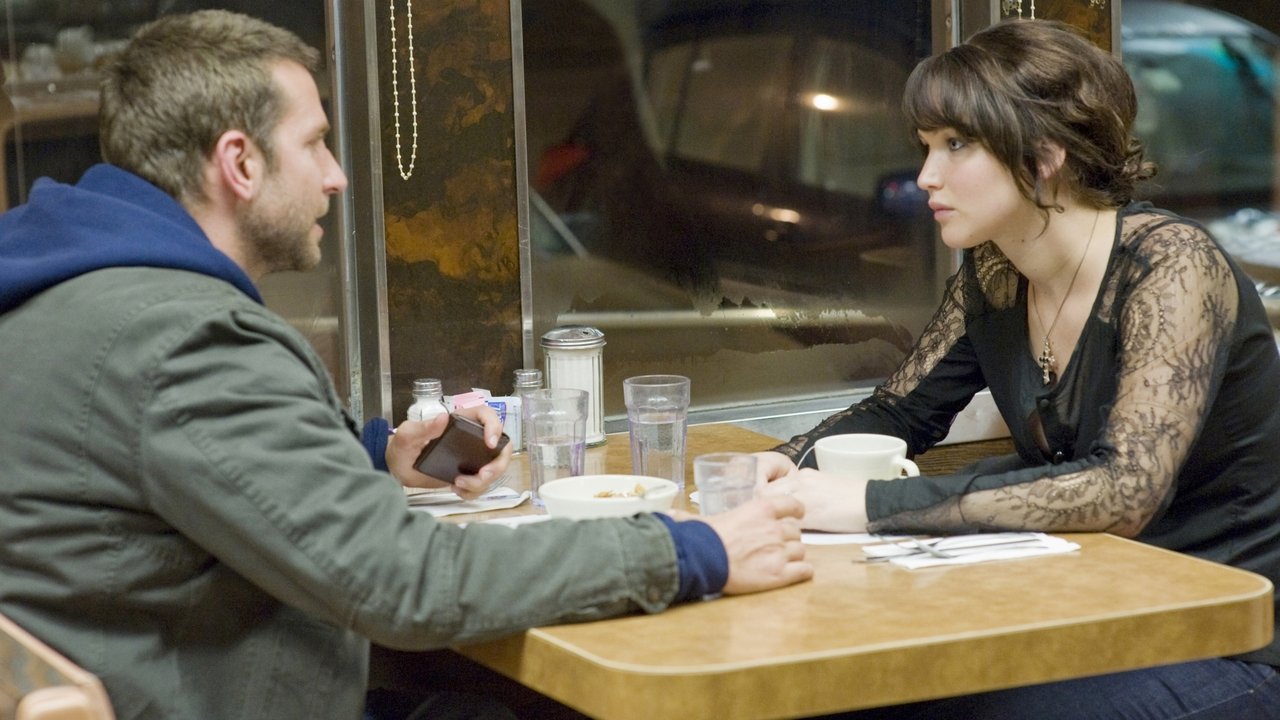
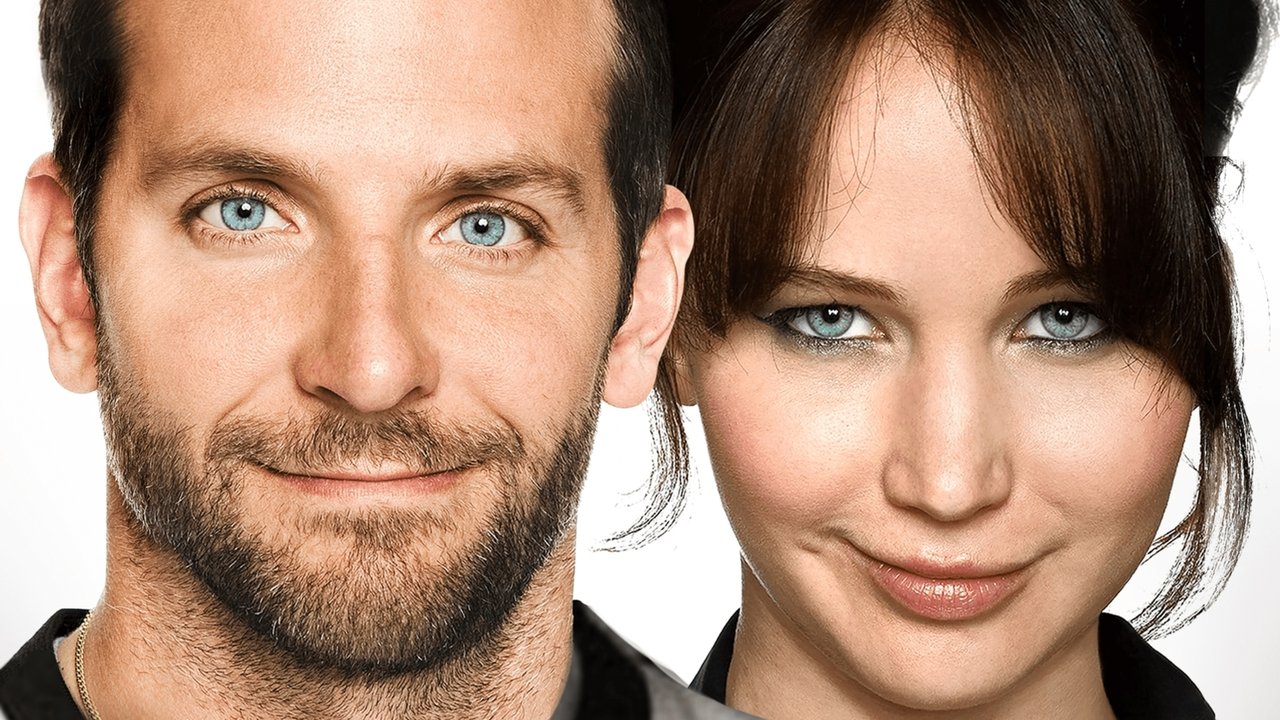
We’ve all seen the "manic pixie dream girl" trope where a quirky woman exists just to fix a broken man. This isn't that. Jennifer Lawrence plays Tiffany with a blunt, jagged honesty that makes her just as "difficult" as Pat. They don’t fix each other; they just find someone who can handle their specific brand of intensity.
Critics on Rotten Tomatoes have pointed out that while it’s a "steppingstone" for mental health representation, it’s not a clinical documentary. It’s a movie about the friction of being a human being. The romance isn't built on grand gestures or slow-motion walks in the rain. It’s built on training for a dance competition and arguing about whether a "date" is actually a date. It’s a much healthier—if messier—blueprint for relationships than the average teen drama.
If Your Kid Liked "The Perks of Being a Wallflower"
If your teen has already cycled through the "sad-kid-in-high-school" genre, this is the logical next step. It’s the adult version of that struggle. It moves the conversation from "how do I survive 11th grade?" to "how do I build a life when my brain feels like my own worst enemy?"
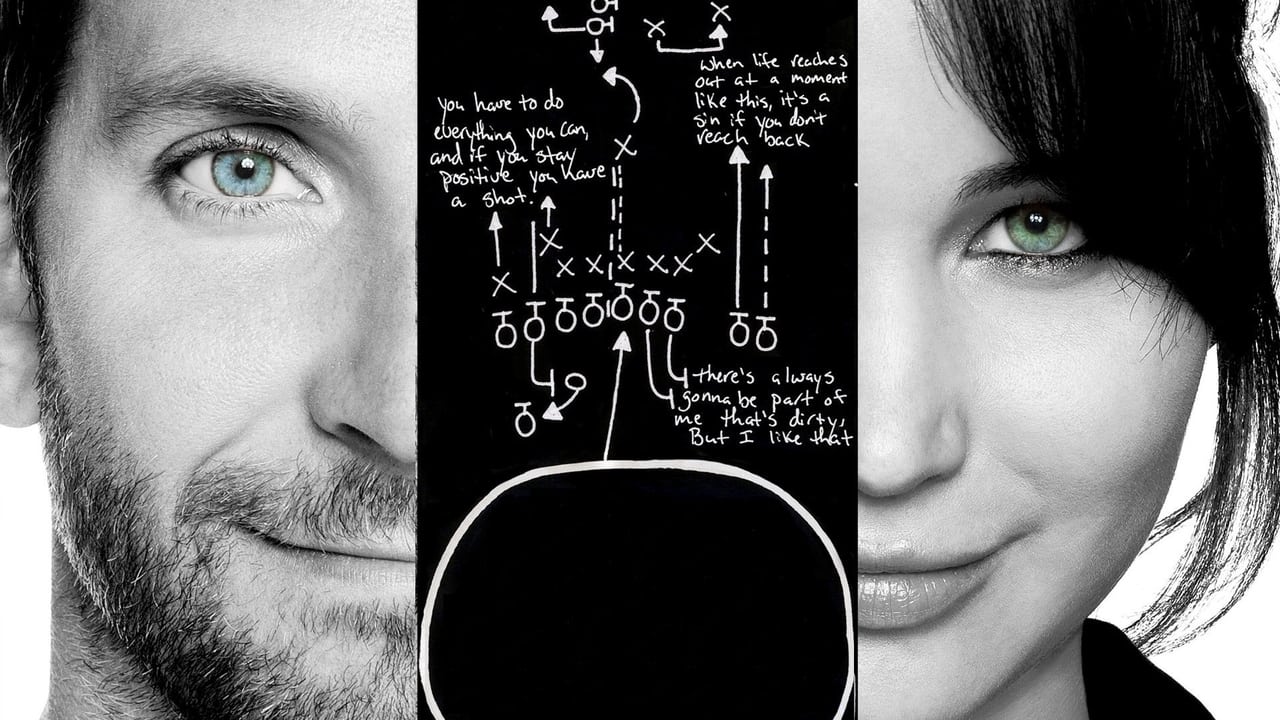
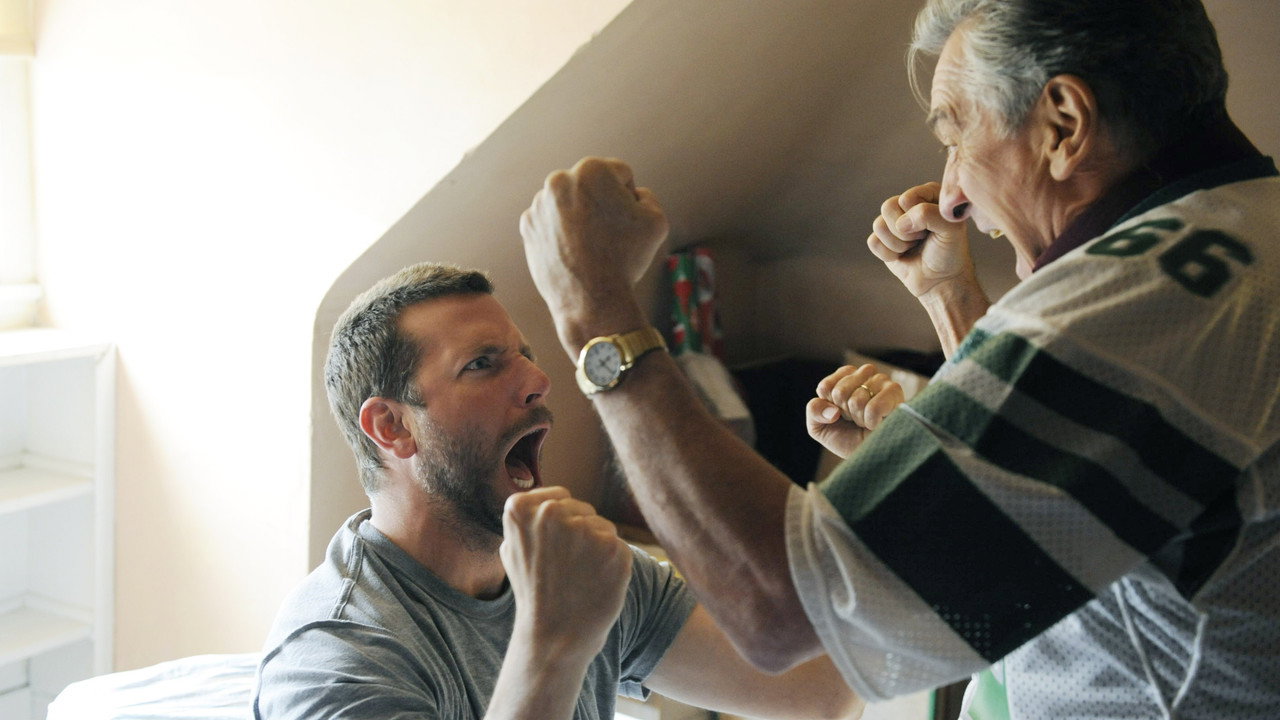
The movie is also a great entry point for discussing obsessions. Whether it’s Pat’s fixation on his ex-wife or his father’s gambling and Philadelphia Eagles superstitions, the film asks a great question: where is the line between a "hobby" and a "problem"? In this world, the "sane" people are often just as obsessive as the ones with the medical diagnoses.
The Specific Friction
Watch for the scene where Pat gets triggered by a specific song. It’s a visceral moment that shows how trauma and memory are linked. It’s a great "pause and talk" moment if your teen is interested in psychology.
Also, don't ignore the gambling subplot. While it’s often played for laughs, it adds a layer of stress to the final act that might be a bit much for viewers who are sensitive to financial tension or addiction themes. It’s a reminder that even when things are looking up, the "silver lining" usually comes with a side of high-stakes pressure.