The South Side Survival Guide
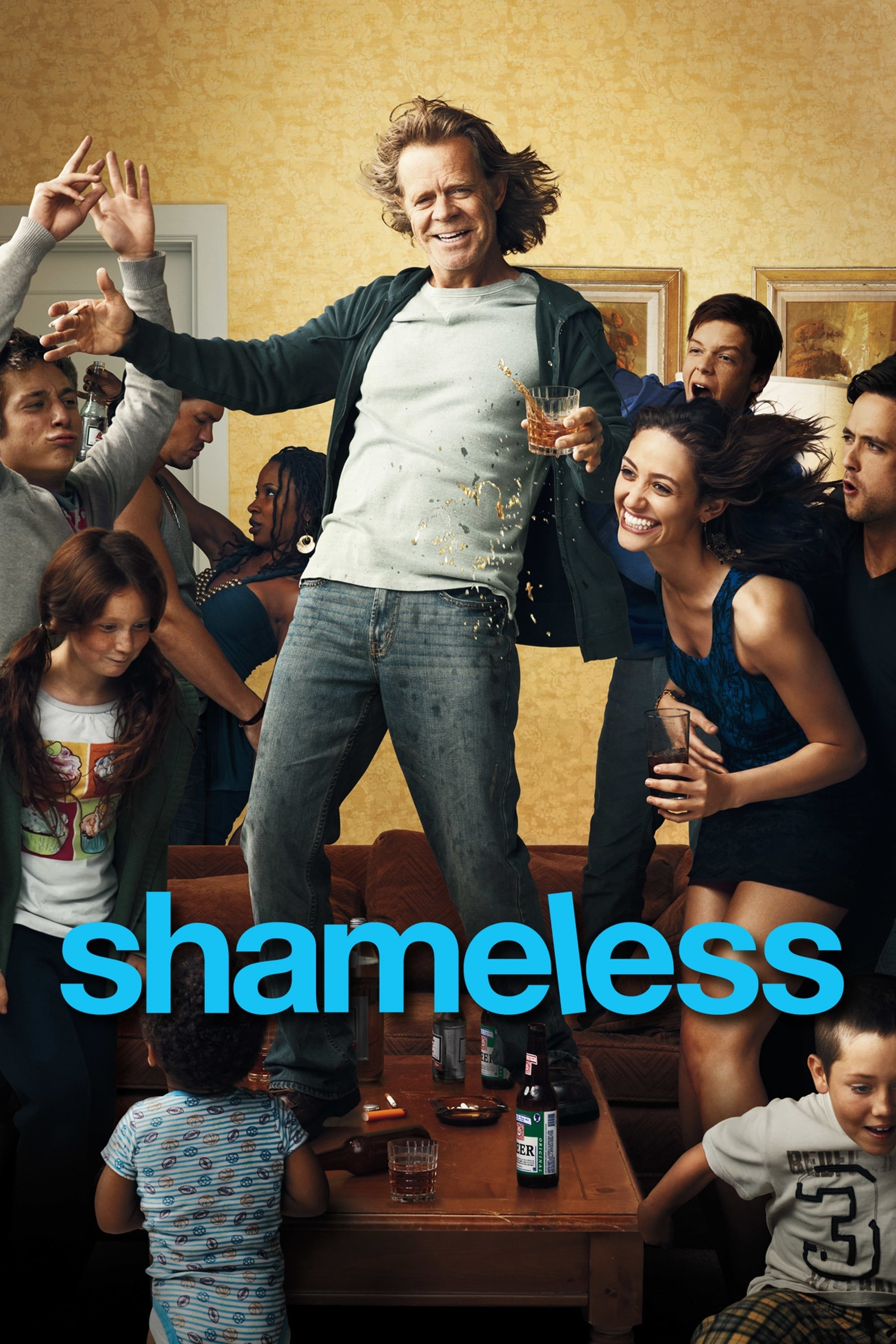
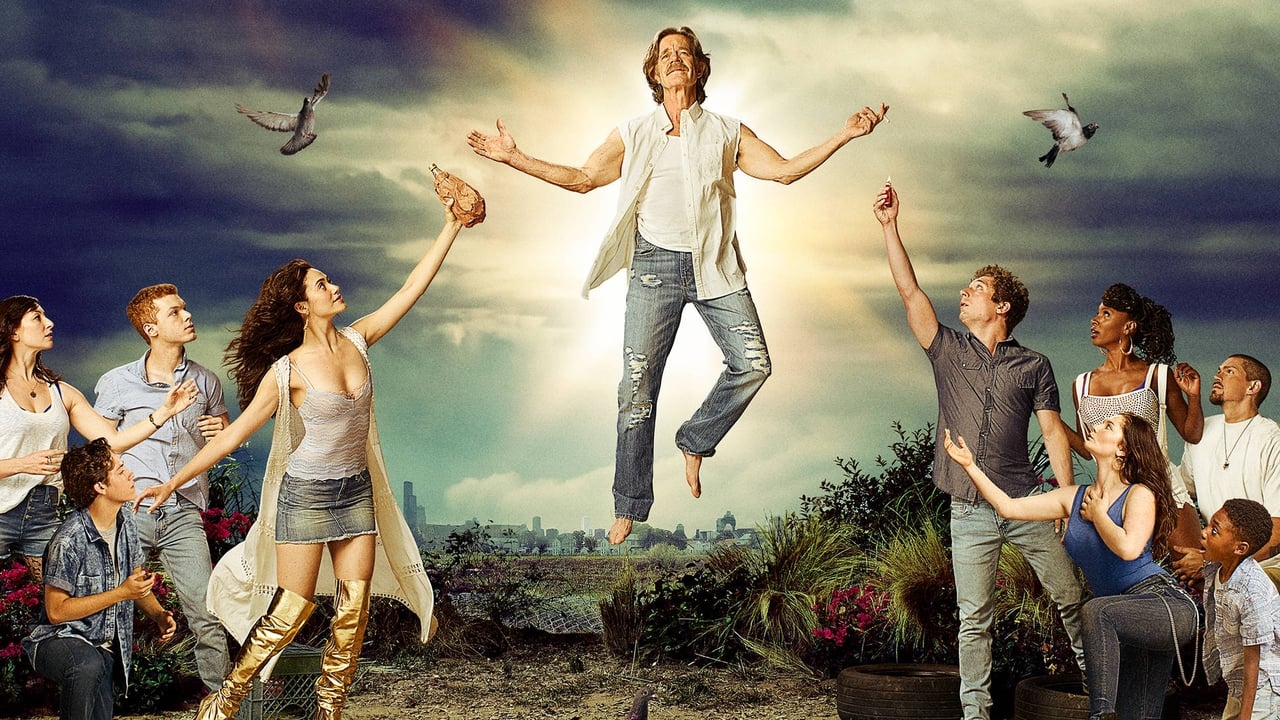
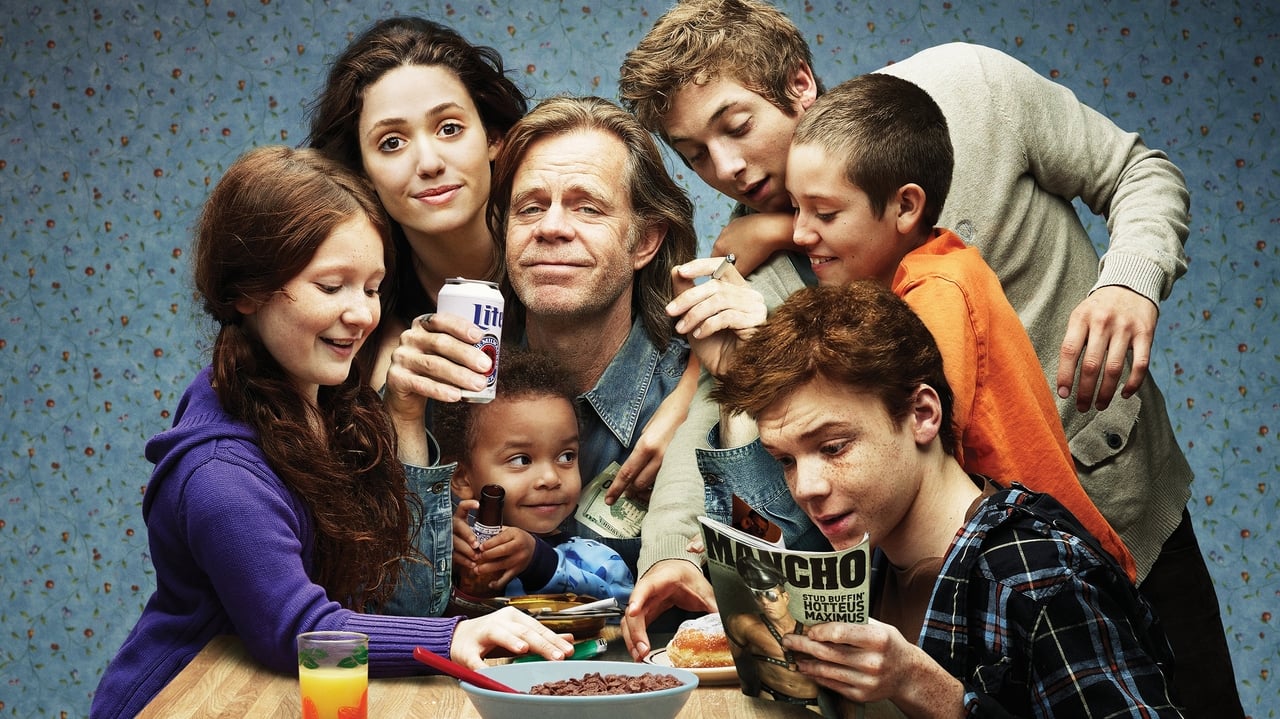
When Shameless first hit Showtime in 2011, it was a shock to the system. Adapted from the UK series of the same name, it managed to capture a uniquely American brand of desperation. The Gallaghers aren't just 'poor'; they are living in a permanent state of triage.
What makes the show work—and what has kept it relevant through 11 seasons—is that it refuses to sentimentalize poverty. There are no 'magical' solutions. When the kids get a win, it’s usually because they scammed someone or worked three double shifts at a greasy diner. Emmy Rossum’s Fiona is the engine of the early seasons, and her slow-motion burnout is one of the most honest depictions of 'parentified' children ever put on screen.
Why it's still worth the watch
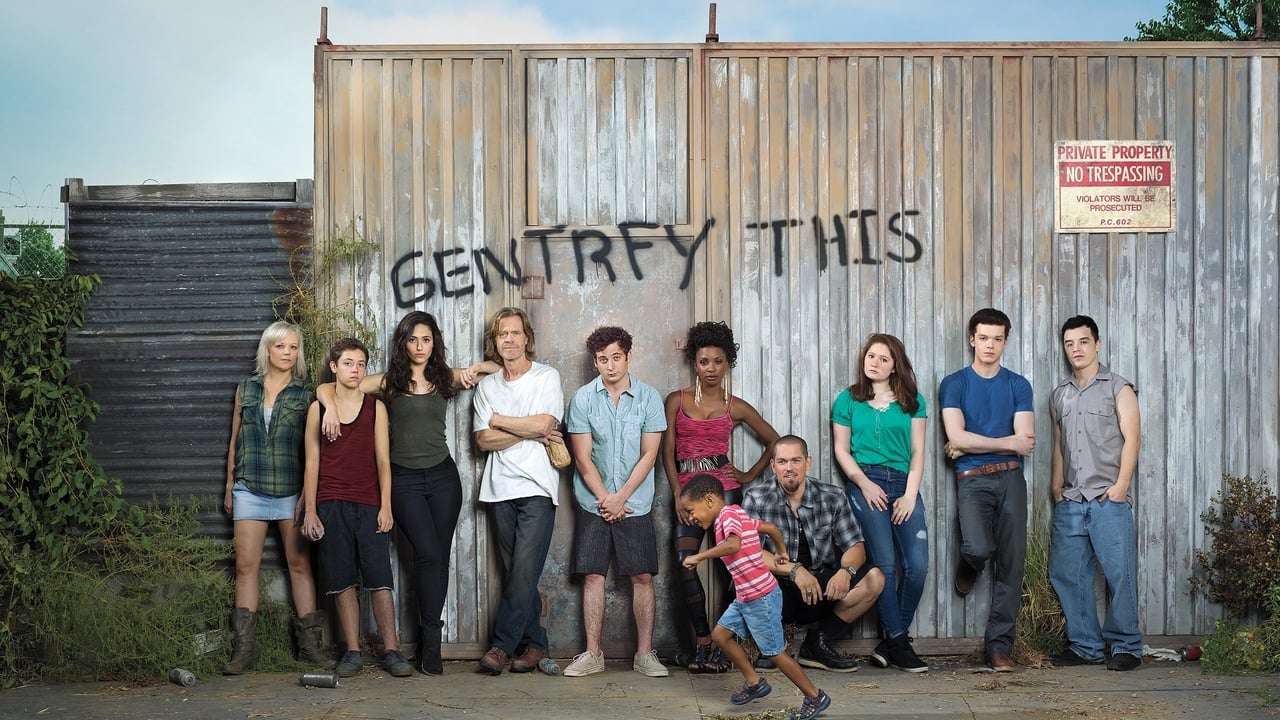
Despite being over a decade old, the show doesn't feel dated because the issues it tackles—gentrification, the healthcare crisis, and the opioid epidemic—have only intensified. It’s also surprisingly funny. The humor is pitch-black, often coming at the expense of Frank’s latest scheme to commit disability fraud or steal a dead woman’s pension.
If you're looking for a show that models 'good behavior,' look elsewhere. But if you want a show that explores the resilience of the human spirit in the face of absolute systemic failure, the Gallaghers are your people. Just keep the remote close; the transition from a touching family moment to a graphic bedroom scene happens in the blink of an eye.