The "Zack Morris is Trash" energy
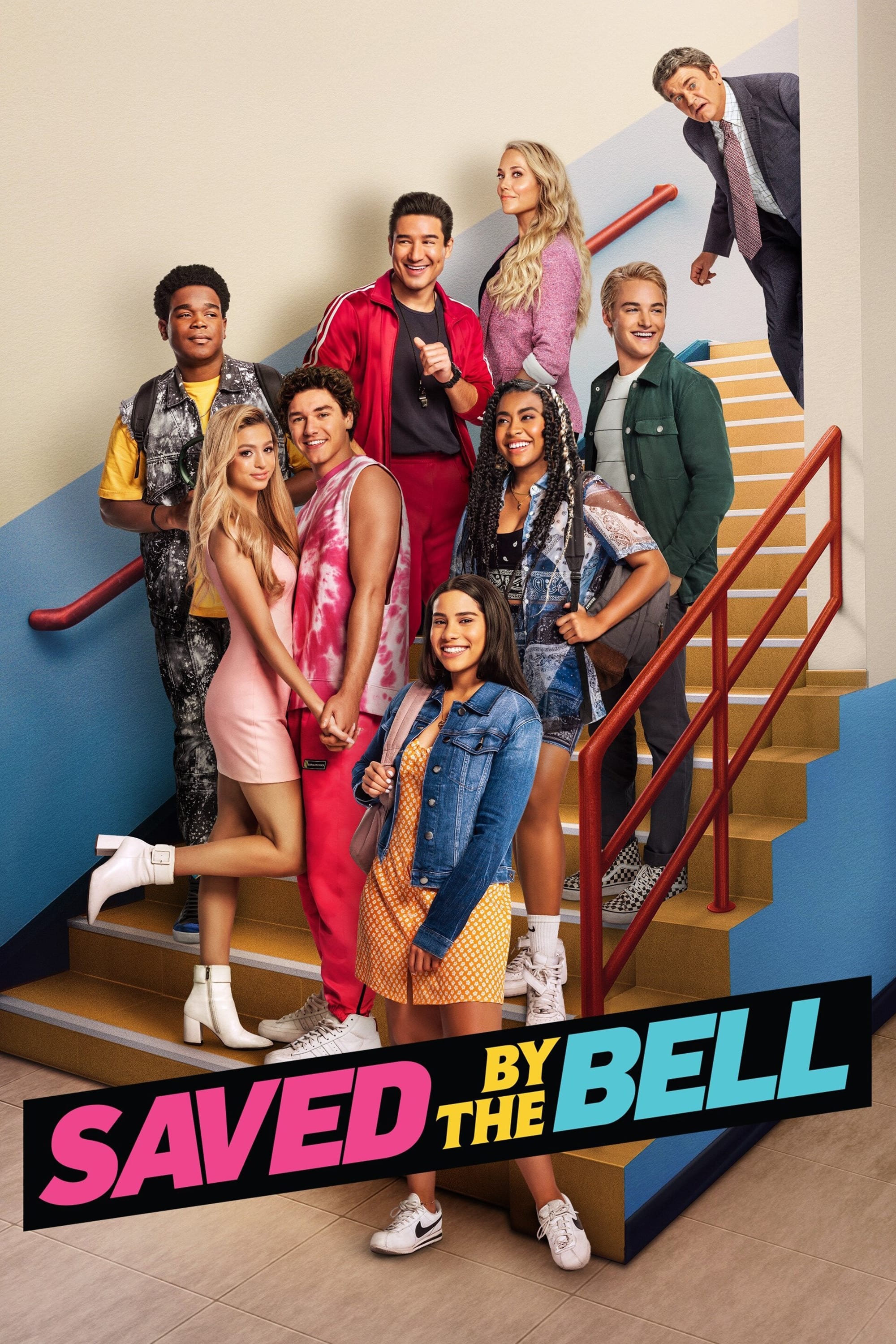
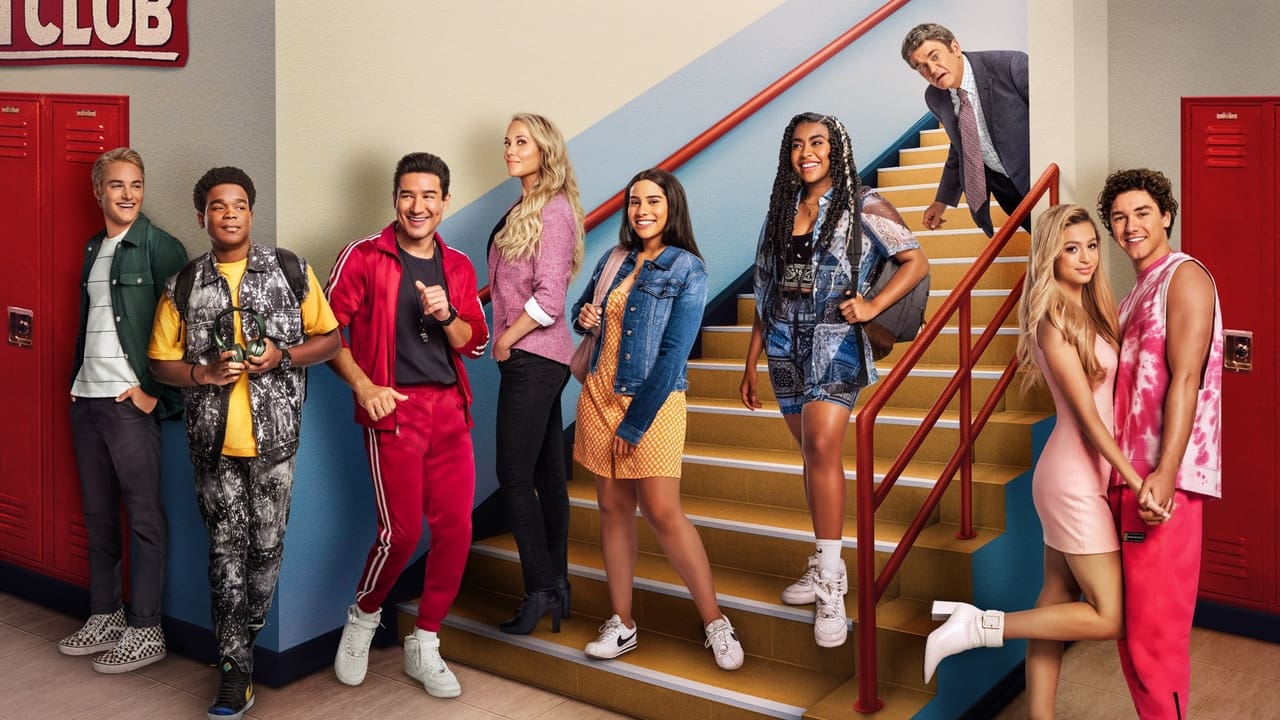
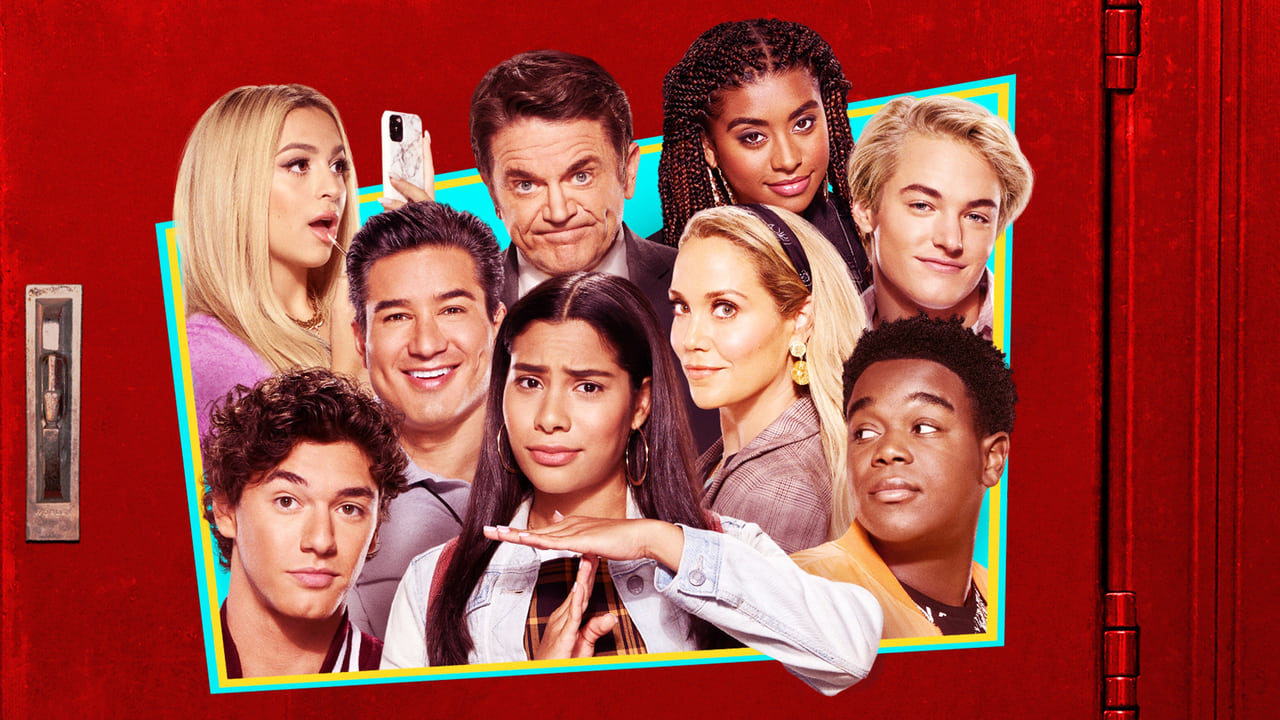
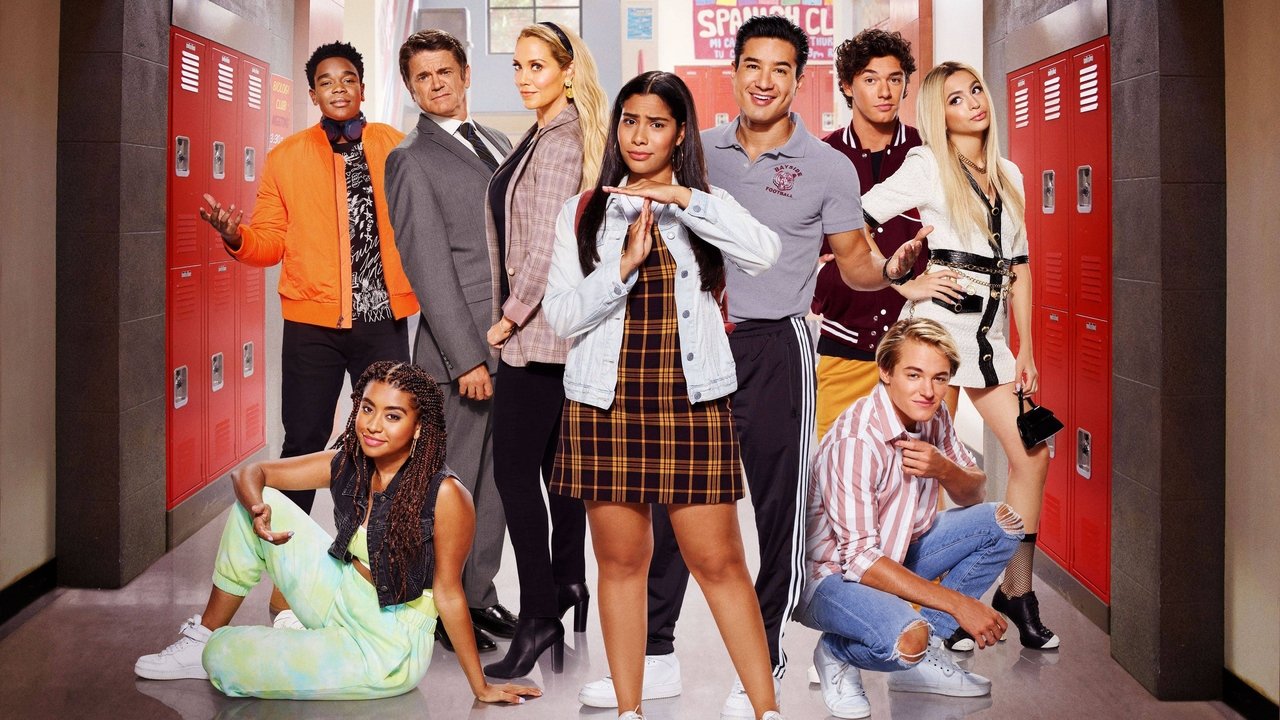
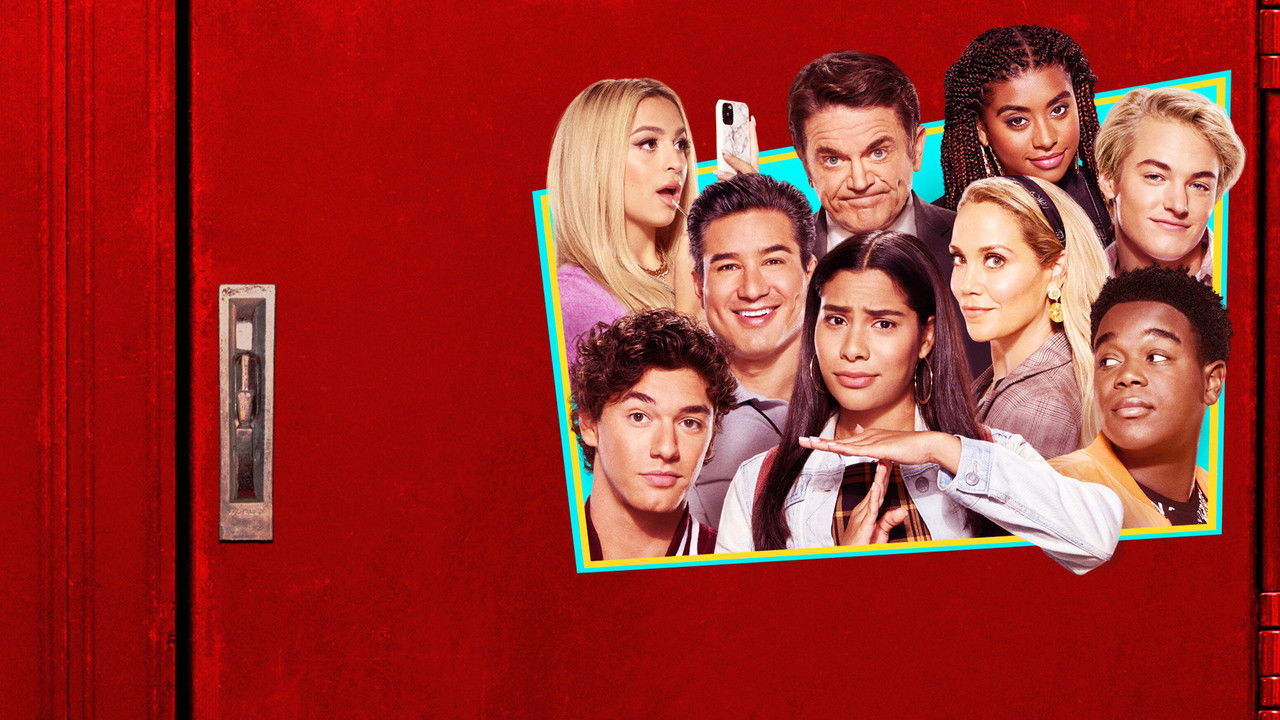
If you grew up watching the original, you probably remember Zack Morris as the charming rogue who always got away with it. This reboot operates on the very correct assumption that a person like that would grow up to be a disastrously privileged politician. The show doesn't just lean into the nostalgia; it weaponizes it. By making Zack the Governor of California whose budget cuts force lower-income students into the neon-soaked halls of Bayside High, the series sets up a culture clash that is actually about something.
The humor here is fast, dense, and incredibly self-aware. It’s less like a traditional multi-cam sitcom and more like 30 Rock or Great News. It moves at a clip that expects you to keep up, which is why the 88% critic score on Rotten Tomatoes sits so much higher than the audience rating. A lot of people tuned in expecting a cozy, "where are they now" hug, but what they got was a sharp satire of the very show they loved.
Why the "new kids" actually work
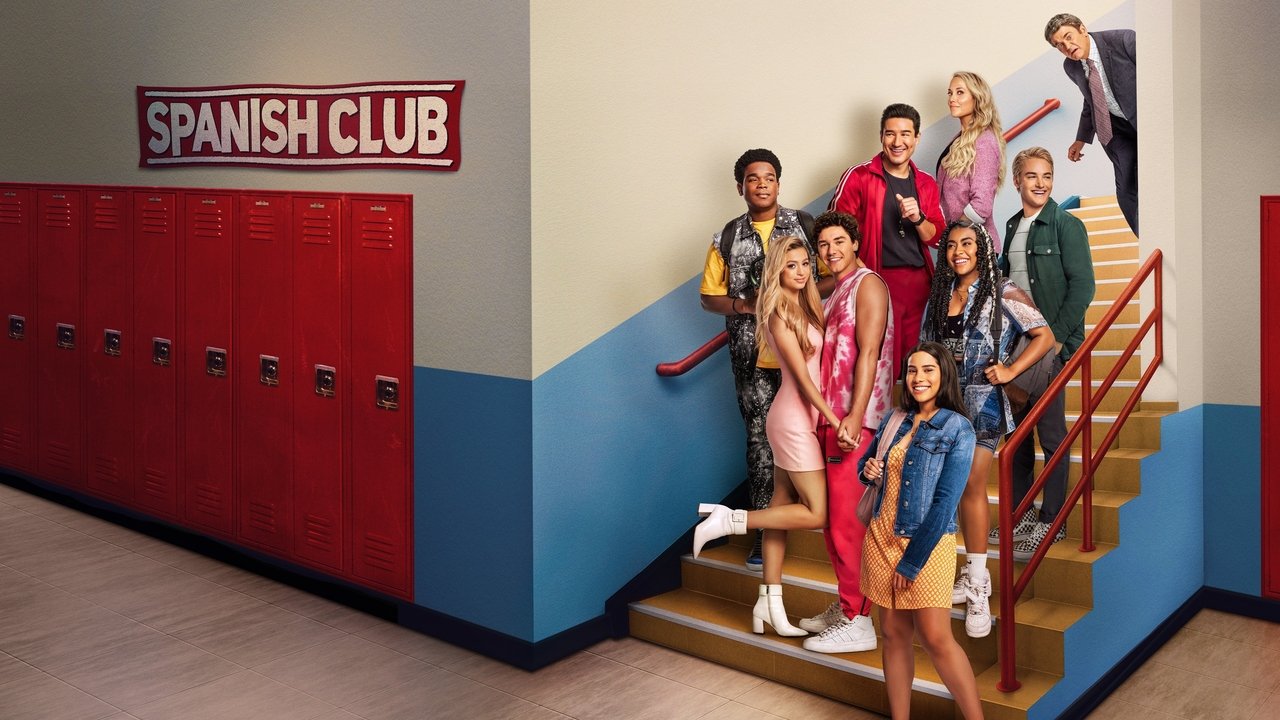
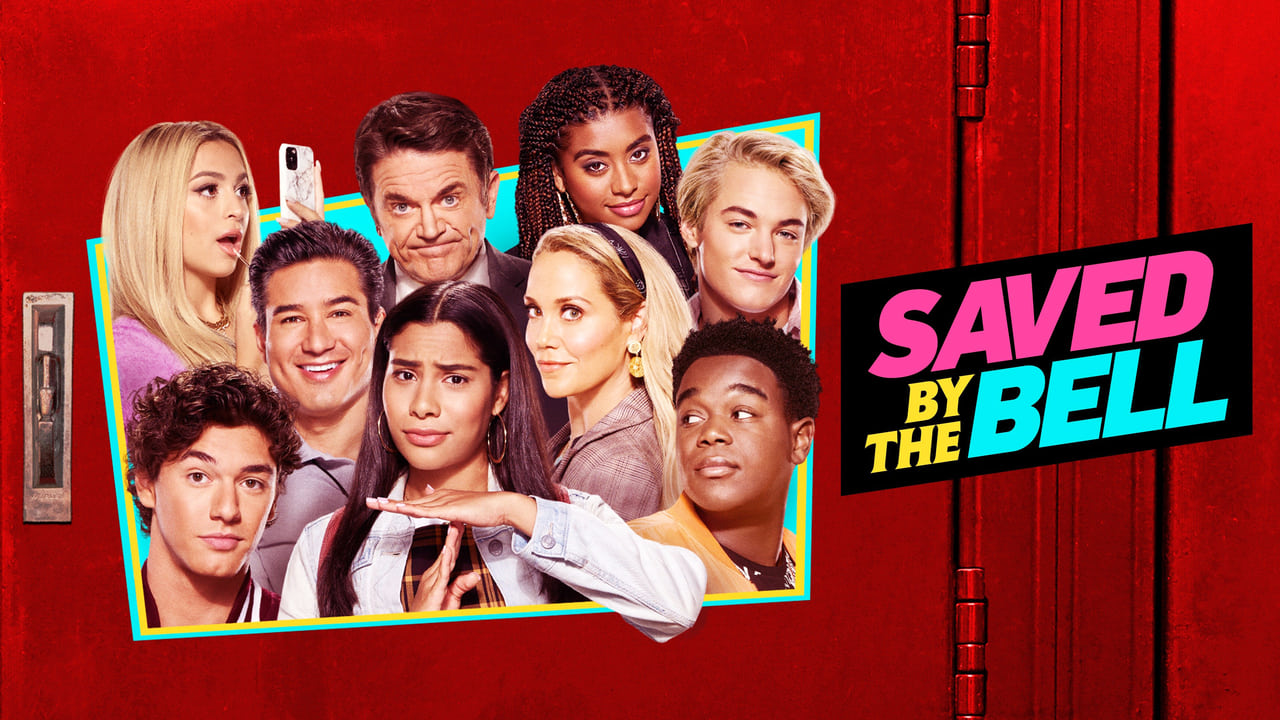
Reboots usually fail because the new cast feels like a collection of focus-grouped archetypes meant to replace the original icons. Here, the Douglas High transfers—Daisy, Aisha, and Devante—are the only sane people in a building full of cartoon characters. They serve as the audience's proxy, constantly pointing out how absurd the Bayside lifestyle is.
Daisy, in particular, is the engine of the show. Her drive to succeed in a system rigged against her provides the heart that the original show often faked with a "The More You Know" musical cue. Watching her navigate the performative activism of the Bayside elite is genuinely funny and occasionally biting. If your kid is into shows that acknowledge systemic issues without being "after-school special" about it, they’ll vibe with this. It’s a great entry point for navigating the satirical humor that defines the series.
The nostalgia trap
For the parents: Slater and Jessie are back as faculty members, and their dynamic is the best kind of cringe. They are stuck in a loop of their high school identities, and the show isn't afraid to make them look ridiculous. This isn't a show that treats the 90s as a golden era; it treats the 90s as a fever dream that Bayside never woke up from.
You don't need to have seen every episode of the original to get the jokes, but it definitely helps to know the basics. The show rewards long-time fans with deep-cut references while simultaneously making fun of those same fans for caring. It’s a weird tightrope to walk, but the writers pull it off.
Is it for your kid?
The TV-14 rating is mostly for the complexity of the jokes and some mild "high school" situations. There’s no heavy violence or extreme content, but the social commentary requires a level of media literacy that younger kids might lack. If your teen likes Glee for the drama but wishes it was actually funny, or if they enjoyed the meta-commentary of the Jump Street movies, this is a perfect fit.
It’s one of the few reboots that manages to be better than the source material by acknowledging that the source material was, in fact, pretty stupid. It turns a cheesy 90s relic into a sharp tool for talking about privilege, and it does it while being one of the funniest sitcoms of the early 2020s.