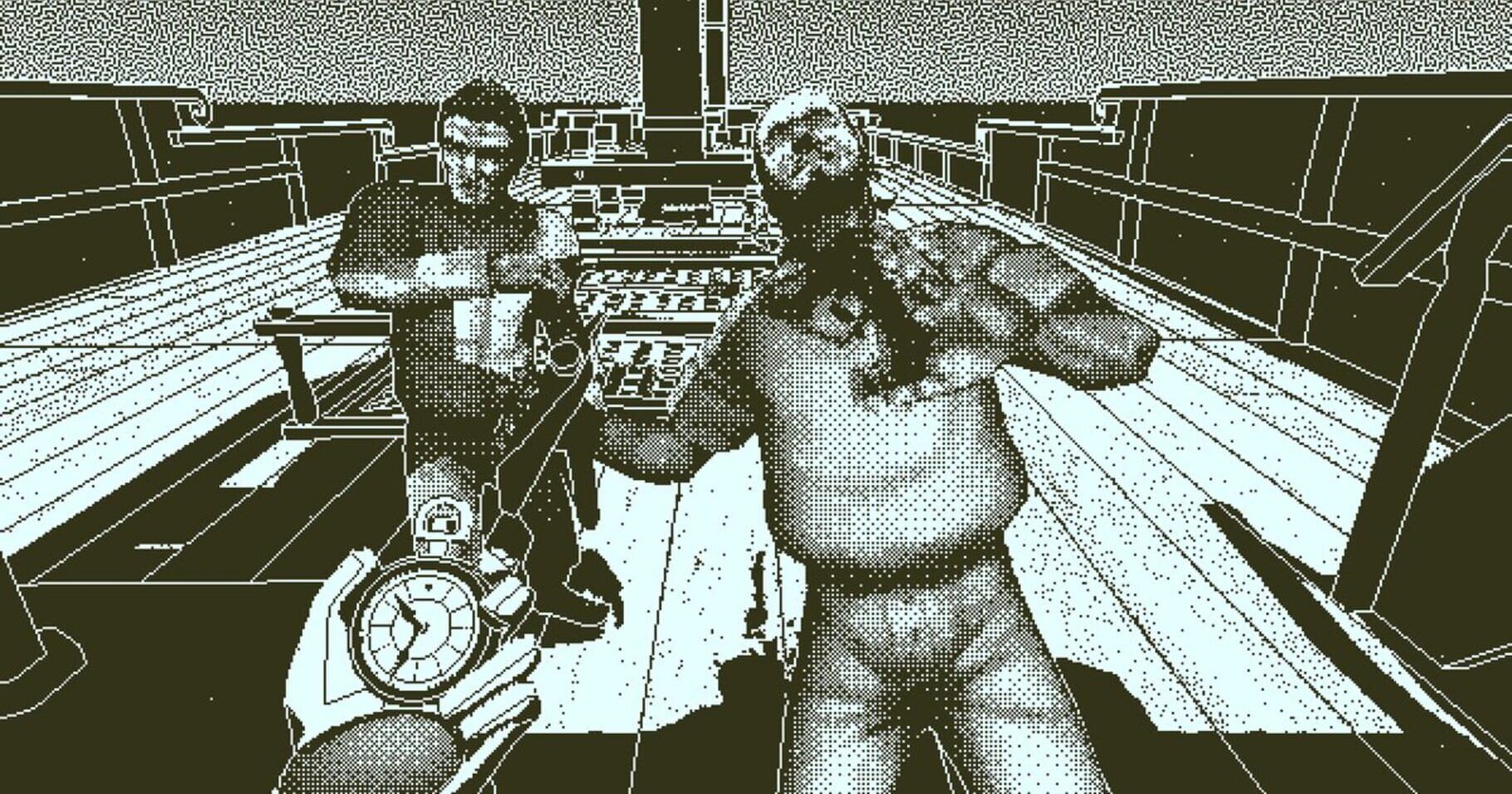
If your kid is used to games that put a glowing waypoint on the map and a hint in the dialogue every thirty seconds, Return of the Obra Dinn is going to be a massive culture shock. It doesn't just ask you to solve a mystery; it demands that you inhabit the role of a meticulous investigator who actually pays attention to things like uniform stripes, accents, and who is eating dinner with whom.
The "Three Correct" Rule
The genius of Lucas Pope’s design lies in how it prevents you from guessing your way to the finish line. You have to identify 60 people and their specific fates. The game only confirms your theories when you get three of them exactly right.
This creates a high-stakes loop of deduction. You’ll have two names you’re certain about and one "maybe" that you’re testing out. When the screen finally flashes and the handwritten notes turn to printed text, the dopamine hit is stronger than any "Level Up" notification in a standard shooter. It’s a masterclass in using games to build critical thinking skills because it forces kids to move past "I think" into "I can prove."
A Different Kind of Violence
While the game is about a ship where everyone died—often horribly—the 1-bit visual style acts as a powerful filter. You aren't seeing realistic gore; you’re seeing a frozen, dithered moment in time that looks like an old Macintosh computer screen from the 80s.
This abstraction is why it works for teens who might find a modern horror game too intense. You’re looking at a scene of a man being blasted by a cannon, but because it’s rendered in stark black-and-white dots, the focus stays on the logic of the scene rather than the viscera. It turns a tragedy into a brain-teasing puzzle where the primary goal is observation, not adrenaline.
The "Backseat Detective" Strategy
This is one of the best "non-multiplayer" games to play together. If you have a teenager who is usually locked in their room, try sitting on the couch while they play this on the Switch or a laptop. You don't need the controller to help.
One person can be the "Bookkeeper," holding a physical notebook to jot down clues like "The guy in the striped shirt was in the background of the kitchen scene," while the other navigates the ship. It’s a natural fit for mystery-loving kids who enjoy the "armchair detective" vibe of a Sherlock Holmes story or a Knives Out movie.
If They Liked This, What’s Next?
If your kid finishes this and is craving more, they’ve officially entered the "Incredible Deduction" sub-genre. They aren't looking for more pirate games; they’re looking for games that don't hold their hand.
- The Case of the Golden Idol: Similar vibes, though the art style is much grottier. It uses a "fill-in-the-blanks" mechanic that is just as satisfying.
- Outer Wilds: If the "figuring out a lost civilization through clues" part was what clicked, this is the gold standard, though it adds flight mechanics and more "active" danger.
- Logic Grid Puzzles: Honestly, if they loved Obra Dinn, buy them a book of old-school logic grid puzzles. The mental muscles used are identical.
The friction is the point here. If they get frustrated in the first hour, encourage them to stick with it until they get their first "Three Correct" notification. Once that click happens, they’ll be hooked on the feeling of being the smartest person in the room.